
Sinh
A maimed veteran whose postwar body makes the continuing cost of survival visible.
To continue living within the physical limits the war imposed.
The book

At a glance
- Veteran
- Permanent war injuries
- Kiên's wider circle
Who they are in the book
Spoiler-freeSinh provides a living counterpoint to the many dead in Kiên's memory.
His injuries show that survival can require a permanently altered body and social future.
How Sinh Is Portrayed
- Maimed survivorHis body carries visible history.
- Postwar veteranPeace does not end material consequence.
- Counterpoint to KiênHe embodies another form of survival.
- Living witnessThe wounded remain alongside the dead.
Sinh survives with severe disability. The novel does not treat that survival as either defeat or uncomplicated triumph.
If you like The Sorrow of War


If you like Bảo Ninh
Explore authors with a similar voice, perspective, and influence.

Martha Gellhorn
War correspondent who covered the Spanish Civil War, D-Day, and conflicts across five more decades; Hemingway's third wife, 1940–1945.
View author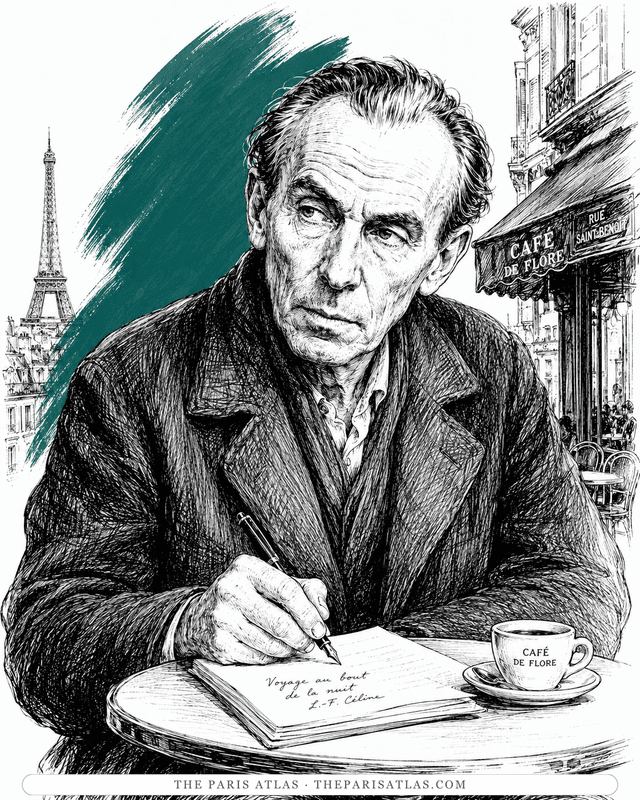
Louis-Ferdinand Céline
The doctor of the Paris slums who wrote the century's blackest, funniest novel — and changed the sound of French prose.
View author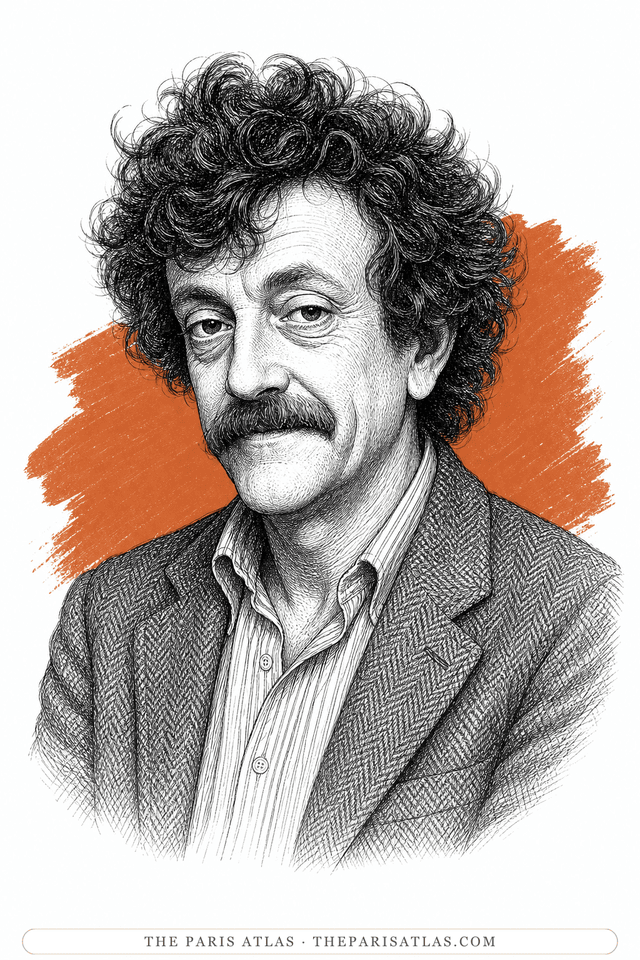
Kurt Vonnegut
American novelist whose fiction combines satire, science fiction, and the experience of surviving the bombing of Dresden.
View author