
Phương
Kiên's childhood love, an independent woman whose life cannot be reduced to his symbol of lost innocence.
To live according to her own desires rather than remain the fixed image Kiên assigns her.
The book

At a glance
- Kiên's childhood love
- Hanoi
- Often remembered through Kiên
Who they are in the book
Spoiler-freePhương is gifted, self-directed, and willing to follow Kiên toward the departing front despite his expectations.
After sexual violence and years of war, she cannot become the untouched prewar image Kiên wants to recover. The gap reveals his limitations more than her failure.
How Phương Is Portrayed
- Childhood intimacyShe and Kiên share a world before enlistment.
- Independent actionShe boards the southbound train on her own decision.
- Survivor of assaultViolence changes her life without defining all of it.
- Artistically giftedMusic and beauty belong to her identity beyond Kiên.
- Seen through KiênHis idealization and resentment distort access to her.
- Unresolved futureThe narrative does not close her life for the reader.
Phương and Kiên reunite after the war but separate. Her later life is not confirmed, and the novel does not promise a final reunion.
If you like The Sorrow of War


If you like Bảo Ninh
Explore authors with a similar voice, perspective, and influence.

Martha Gellhorn
War correspondent who covered the Spanish Civil War, D-Day, and conflicts across five more decades; Hemingway's third wife, 1940–1945.
View author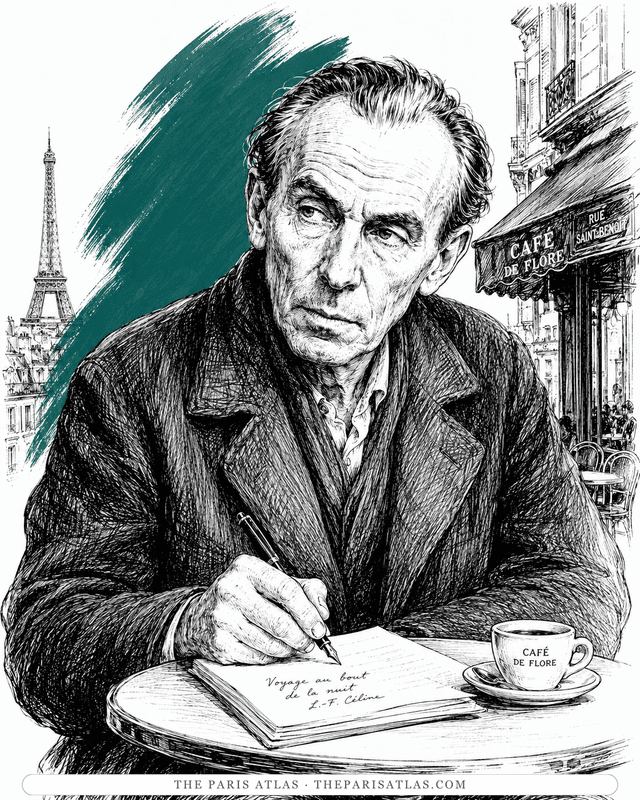
Louis-Ferdinand Céline
The doctor of the Paris slums who wrote the century's blackest, funniest novel — and changed the sound of French prose.
View author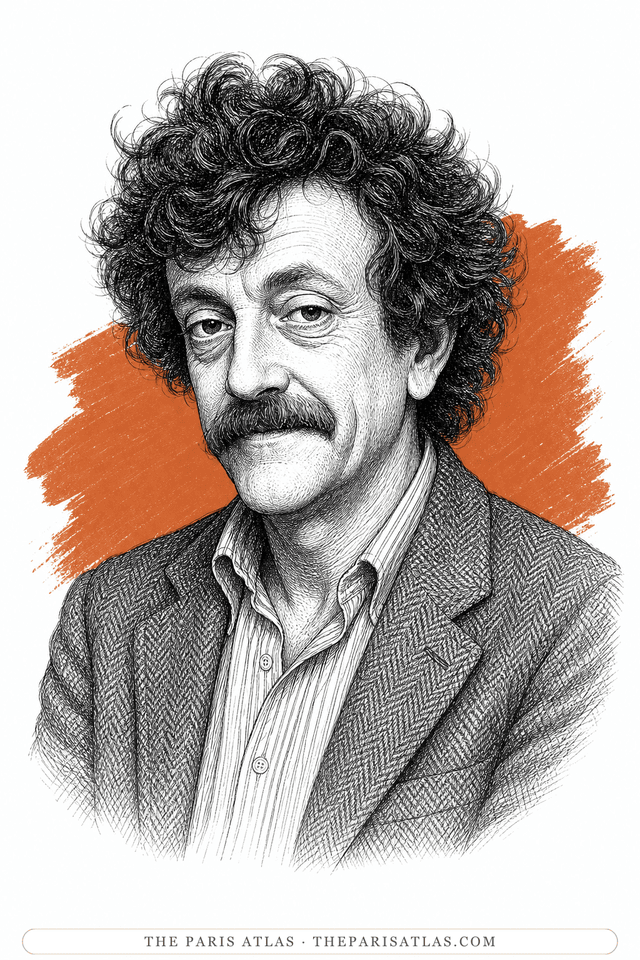
Kurt Vonnegut
American novelist whose fiction combines satire, science fiction, and the experience of surviving the bombing of Dresden.
View author