
Oanh
A soldier who spares an enemy woman and is killed, making mercy costly without making it meaningless.
To refuse a killing he cannot accept as necessary.
The book

At a glance
- Soldier
- Spares an enemy woman
- Killed
Who they are in the book
Spoiler-freeOanh sees an individual where combat procedure supplies an enemy.
The fatal consequence does not allow a simple lesson that mercy was foolish; it preserves the moral choice and its cost together.
How Oanh Is Portrayed
- MercifulHe chooses not to kill a vulnerable enemy.
- ExposedThe choice leaves him in danger.
- Individual judgmentHe acts beyond group reflex.
- Remembered costKiên carries the scene after Oanh dies.
The woman Oanh spares shoots him. The novel leaves mercy morally serious even when it fails to save him.
If you like The Sorrow of War


If you like Bảo Ninh
Explore authors with a similar voice, perspective, and influence.

Martha Gellhorn
War correspondent who covered the Spanish Civil War, D-Day, and conflicts across five more decades; Hemingway's third wife, 1940–1945.
View author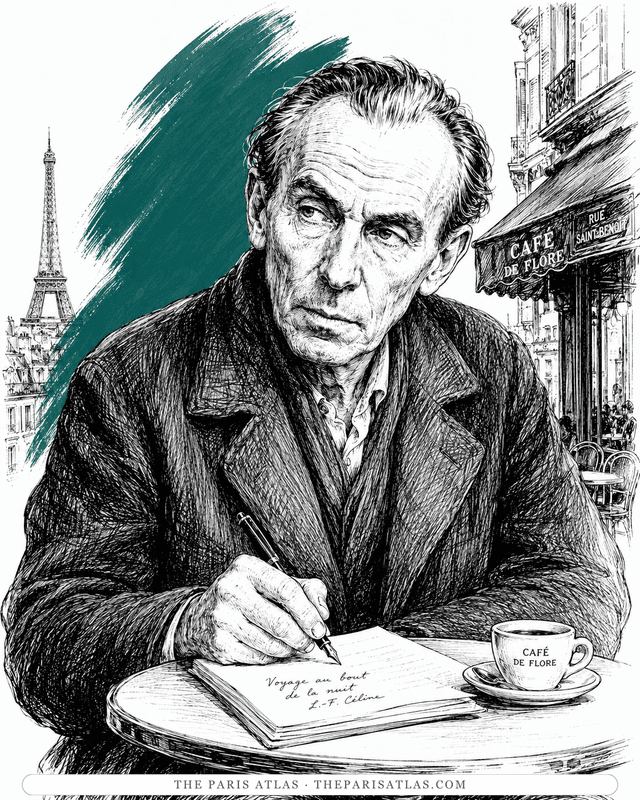
Louis-Ferdinand Céline
The doctor of the Paris slums who wrote the century's blackest, funniest novel — and changed the sound of French prose.
View author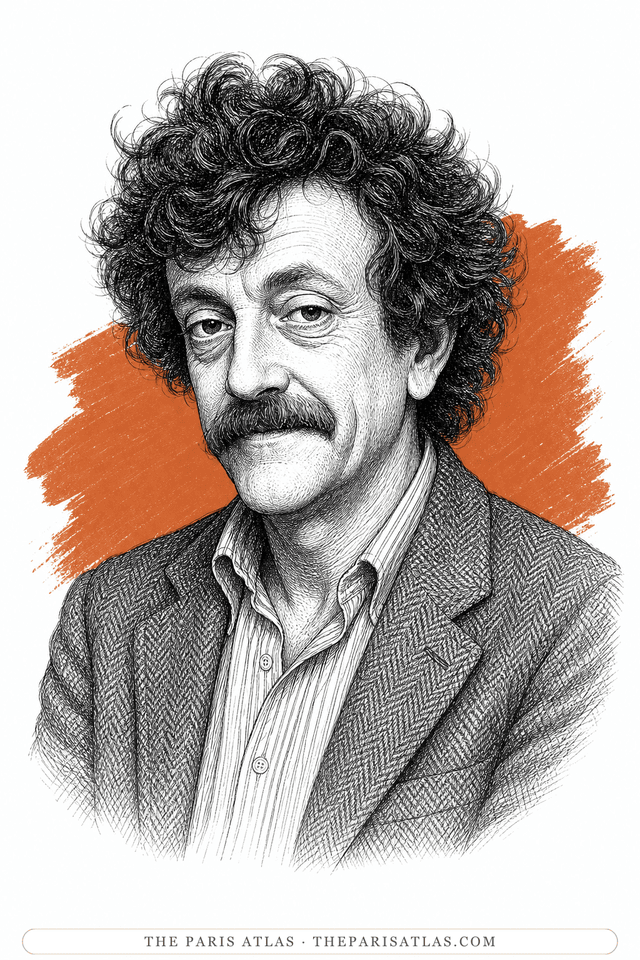
Kurt Vonnegut
American novelist whose fiction combines satire, science fiction, and the experience of surviving the bombing of Dresden.
View author