
Hạnh
A figure from Kiên's adolescence whose intimacy complicates his ideal of an innocent prewar past.
To act on intimacy within the constrained world Kiên remembers from adolescence.
The book

At a glance
- Kiên's adolescence
- Kiên
- Prewar memory
Who they are in the book
Spoiler-freeHạnh belongs to memories of desire before the war and exposes how much Kiên edits the past into a simpler lost paradise.
The page should keep the uncertainty and shame of Kiên's recollection rather than invent a complete biography for her.
How Hạnh Is Portrayed
- Prewar figureShe belongs to Kiên's youth in Hanoi.
- Associated with desireHer memory complicates the Phương ideal.
- Seen retrospectivelyKiên's later consciousness frames the encounter.
- Limited accessThe novel gives less of her independent future.
Hạnh's later life is not a resolved plot line. Her importance remains in the memory that unsettles Kiên's story of lost innocence.
If you like The Sorrow of War


If you like Bảo Ninh
Explore authors with a similar voice, perspective, and influence.

Martha Gellhorn
War correspondent who covered the Spanish Civil War, D-Day, and conflicts across five more decades; Hemingway's third wife, 1940–1945.
View author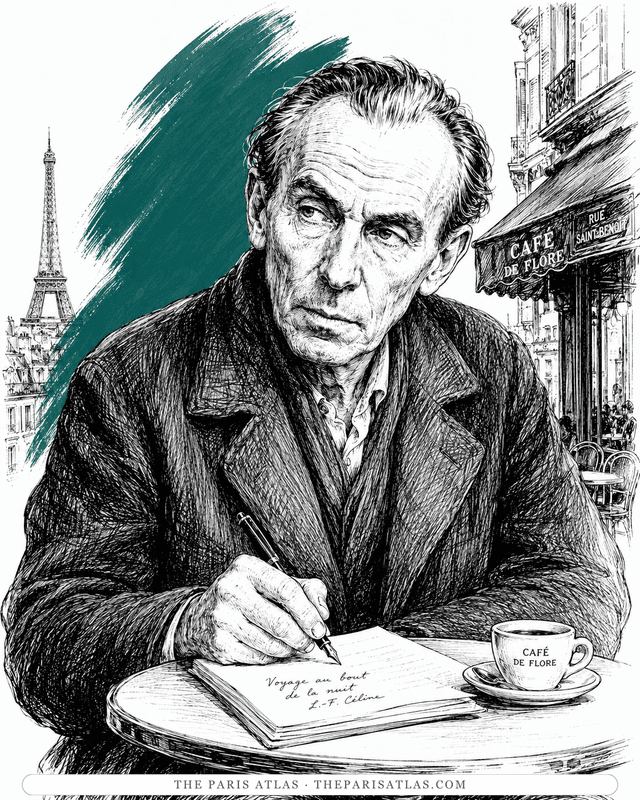
Louis-Ferdinand Céline
The doctor of the Paris slums who wrote the century's blackest, funniest novel — and changed the sound of French prose.
View author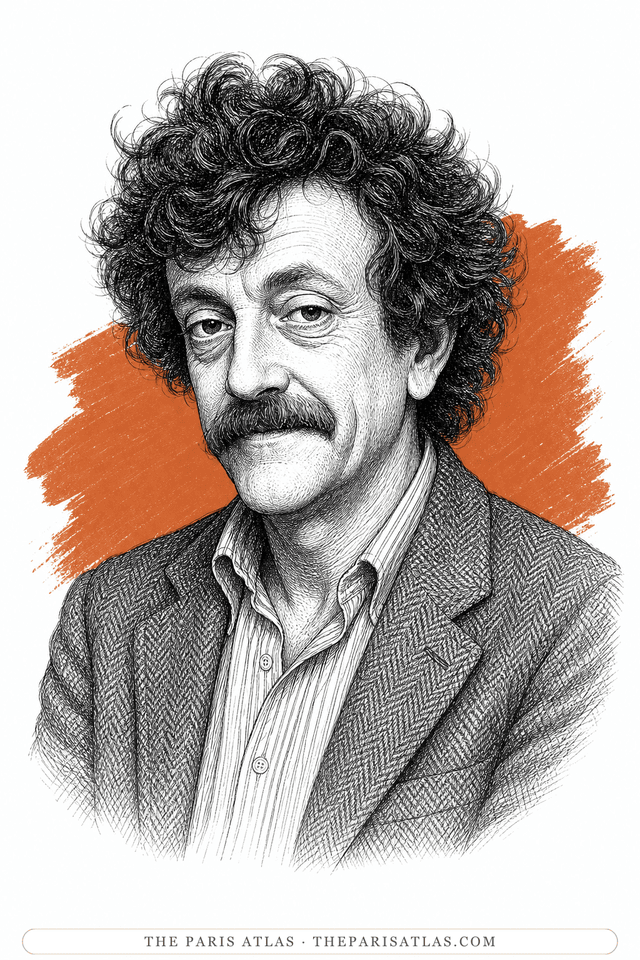
Kurt Vonnegut
American novelist whose fiction combines satire, science fiction, and the experience of surviving the bombing of Dresden.
View author