Lord de Winter
Milady's English brother-in-law, whose life d'Artagnan spares in a duel and who later locks her up in his own house.
To protect his brother's fortune and his own life from the woman who inherited the first and is after the second.
The book
The Three Musketeers
Alexandre Dumas
At a glance
- Brother of Milady's late English husband
- A castle on the English coast near Portsmouth, where Milady is held
Who they are in the book
Spoiler-freeLord de Winter is the brother of the Englishman Milady married after Athos, and the uncle of her son, which is why she wants him dead. He meets d'Artagnan on the road as an opponent in a duel, loses, is spared, and takes him to No. 6 Place Royale to meet his sister-in-law. Warned by letter from the four friends, he has Milady arrested when she lands at Portsmouth and keeps her in his house under John Felton, a Puritan officer he trusts completely.
How Lord de Winter Is Portrayed
- The duel, Chapters XXX and XXXIHe fights d'Artagnan behind the Luxembourg with three companions against the four friends. Disarmed, he is spared, and that evening he presents d'Artagnan to Milady in the Place Royale.
- Portsmouth, Chapter XLIXHe receives Milady off the ship as her brother-in-law, takes her to a locked room in his house, and hands the watch to Felton with the words that all is well.
- The offer of Tyburn, Chapter LXVIOn the riverbank, when she demands a tribunal, he reminds her that he offered her Tyburn and asks why she did not accept it.
- The accusation, Chapter LXVAt the trial he charges her with Buckingham's assassination, with corrupting Felton, and with the death of his brother, who died in three hours of a strange disorder that left livid traces over his body.
If you like The Three Musketeers


If you like Alexandre Dumas
Explore authors with a similar voice, perspective, and influence.
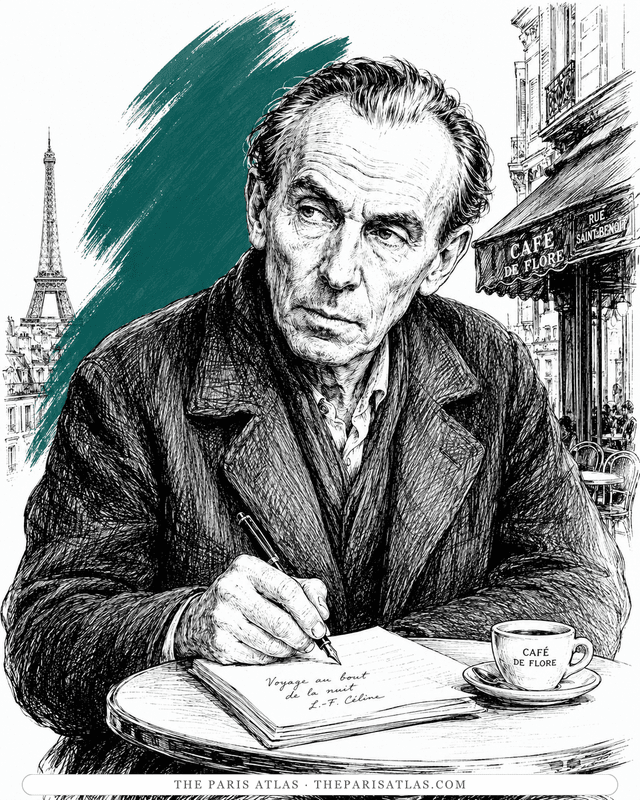
Louis-Ferdinand Céline
The doctor of the Paris slums who wrote the century's blackest, funniest novel — and changed the sound of French prose.
View author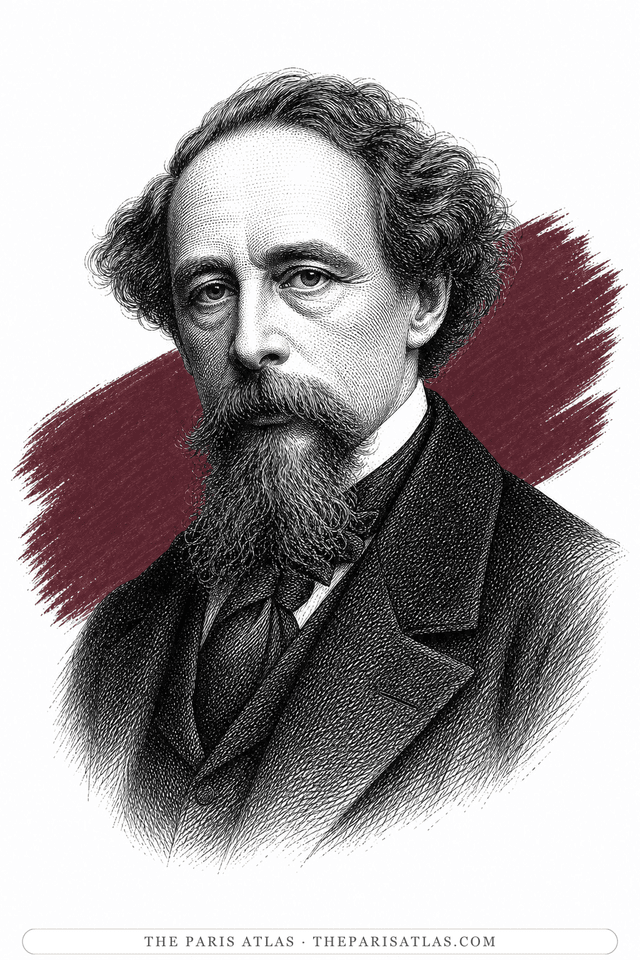
Charles Dickens
The most popular English novelist of the nineteenth century, who was never a Paris resident in the ordinary sense but kept coming back for twenty-five years: one winter in a rented mansion on the rue de Courcelles, a second winter on the Champs-Élysées writing Little Dorrit, repeated compulsive visits to the Paris Morgue — the riverside building where the city displayed its unidentified dead to the public — and a novel of the French Revolution, A Tale of Two Cities, that has shaped how English readers picture Paris ever since.
View author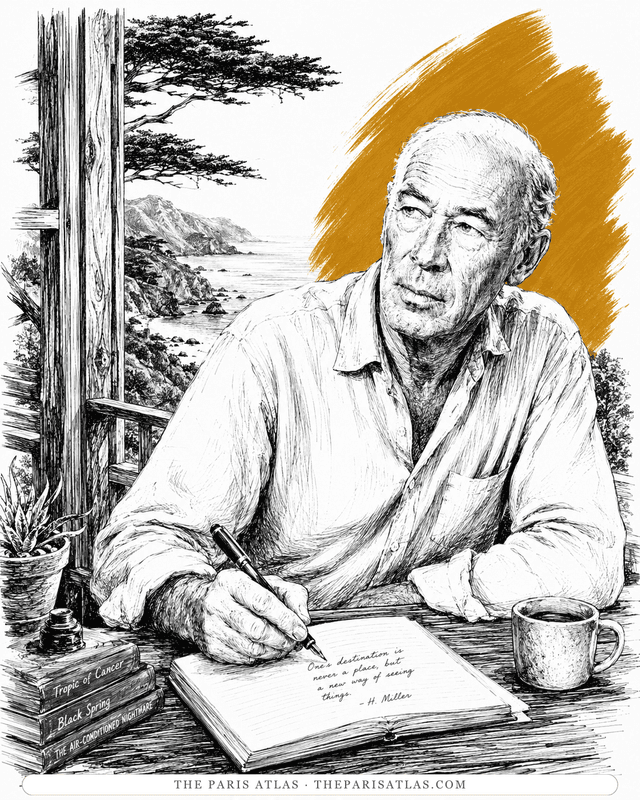
Henry Miller
The Brooklyn dropout who arrived in Paris broke at thirty-eight and wrote the exuberant, banned books that ended American censorship.
View author