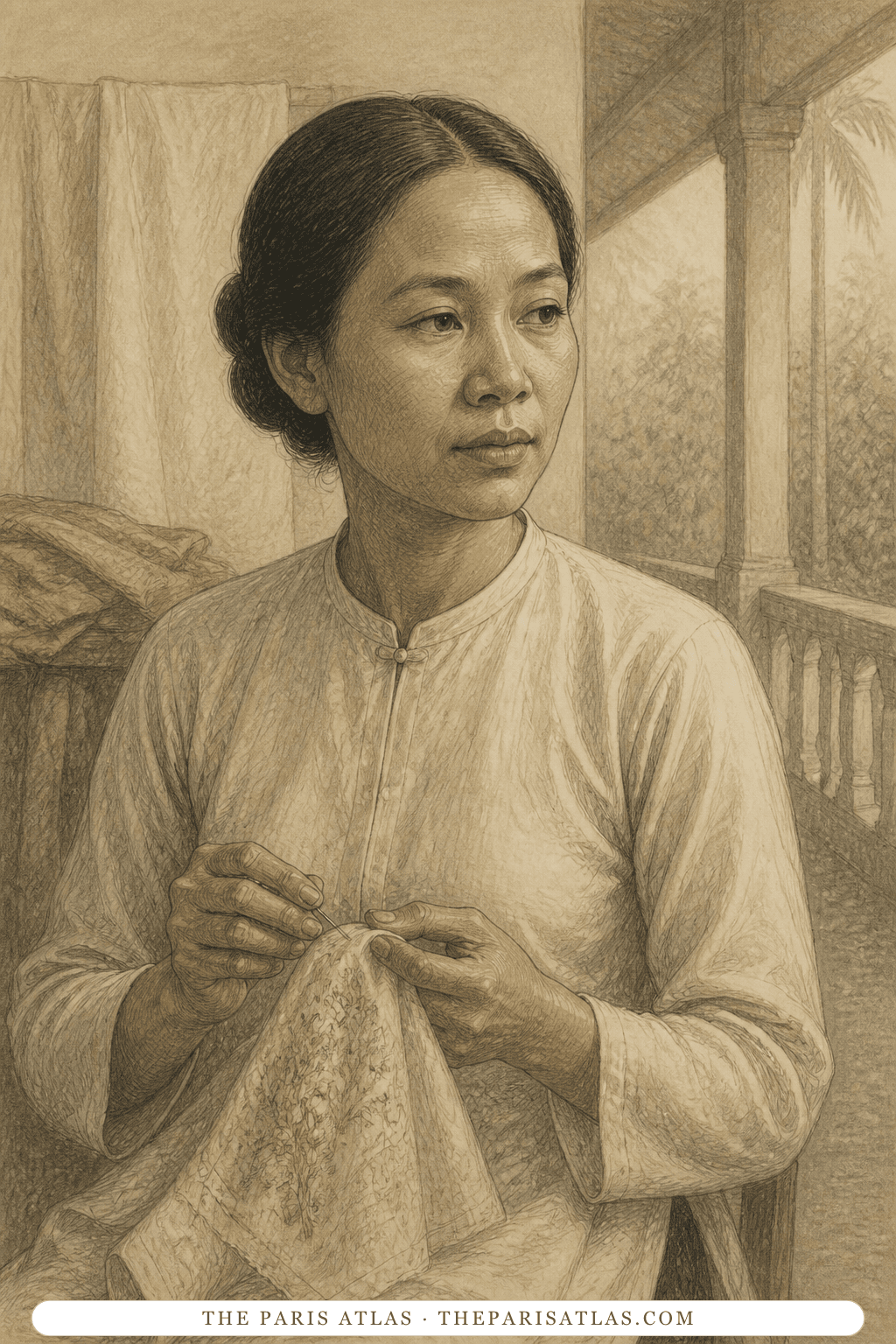
Dô
The family’s Vietnamese housekeeper and skilled seamstress, whose loyalty continues through unpaid work and danger.
The novel does not state Dô’s private goal; it shows her maintaining the household and staying beside the mother under severe strain.
The book

At a glance
- Housekeeper, embroiderer, and seamstress
- Raised by nuns
- Remains with the narrator’s mother
- Goes with the mother to France
Who they are in the book
Spoiler-freeDô is the Vietnamese housekeeper who stays with the narrator’s mother through the family’s moves and later goes with her to France. She was raised by nuns and has exceptional skills in hand sewing, embroidery, and pleating.
The mother uses those skills to have Dô remake cloth and old clothes for the family. Her labor is part of how a nearly broke French household continues to look respectable. The narrator remembers the dresses clearly, even when she dislikes their childish shape.
Dô remains after wages stop and after the elder brother attempts to sexually assault her. The book records that loyalty but gives little access to Dô’s private reasons. A responsible profile can describe what she does without inventing why she endures it.
How Dô Is Portrayed
- A highly skilled seamstressShe embroiders sheets, makes fine pleats, and sews by hand with exceptional precision.
- Essential to the householdHer labor repairs clothing and preserves daily routines that the family’s income cannot otherwise support.
- Loyal beyond wagesShe stays even when the mother can no longer pay her and later accompanies her to France.
- Endangered by the elder brotherHis attempted sexual assault shows the personal risk hidden inside the family’s dependence on her work.
Dô does not leave after wages stop or after the elder brother attacks her. She remains beside the mother during later episodes of confusion and eventually follows her to France.
The narrator does not explain Dô’s inner life or give her an independent ending. That limit is important: devotion, economic dependence, habit, and lack of alternatives should not be merged into a motive the book never states.
If you like The Lover


If you like Marguerite Duras
Explore authors with a similar voice, perspective, and influence.
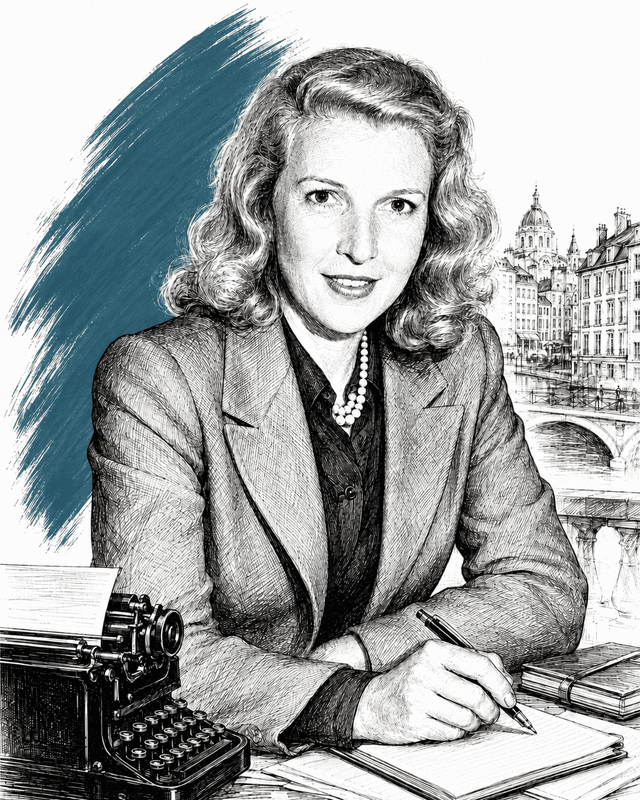
Martha Gellhorn
War correspondent who covered the Spanish Civil War, D-Day, and conflicts across five more decades; Hemingway's third wife, 1940–1945.
View author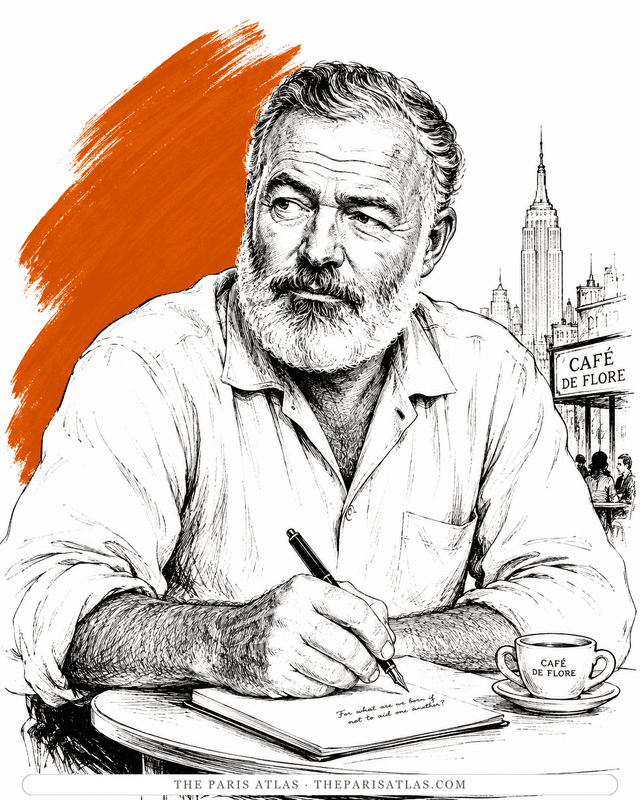
Ernest Hemingway
Author of The Sun Also Rises and A Moveable Feast; his pared-down style, developed in 1920s Paris, became the most imitated in American prose.
View author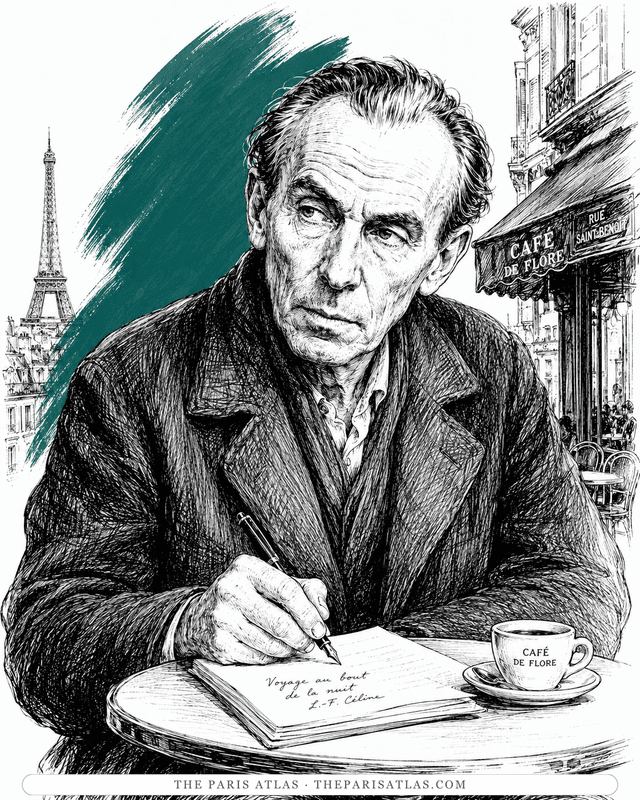
Louis-Ferdinand Céline
The doctor of the Paris slums who wrote the century's blackest, funniest novel — and changed the sound of French prose.
View author