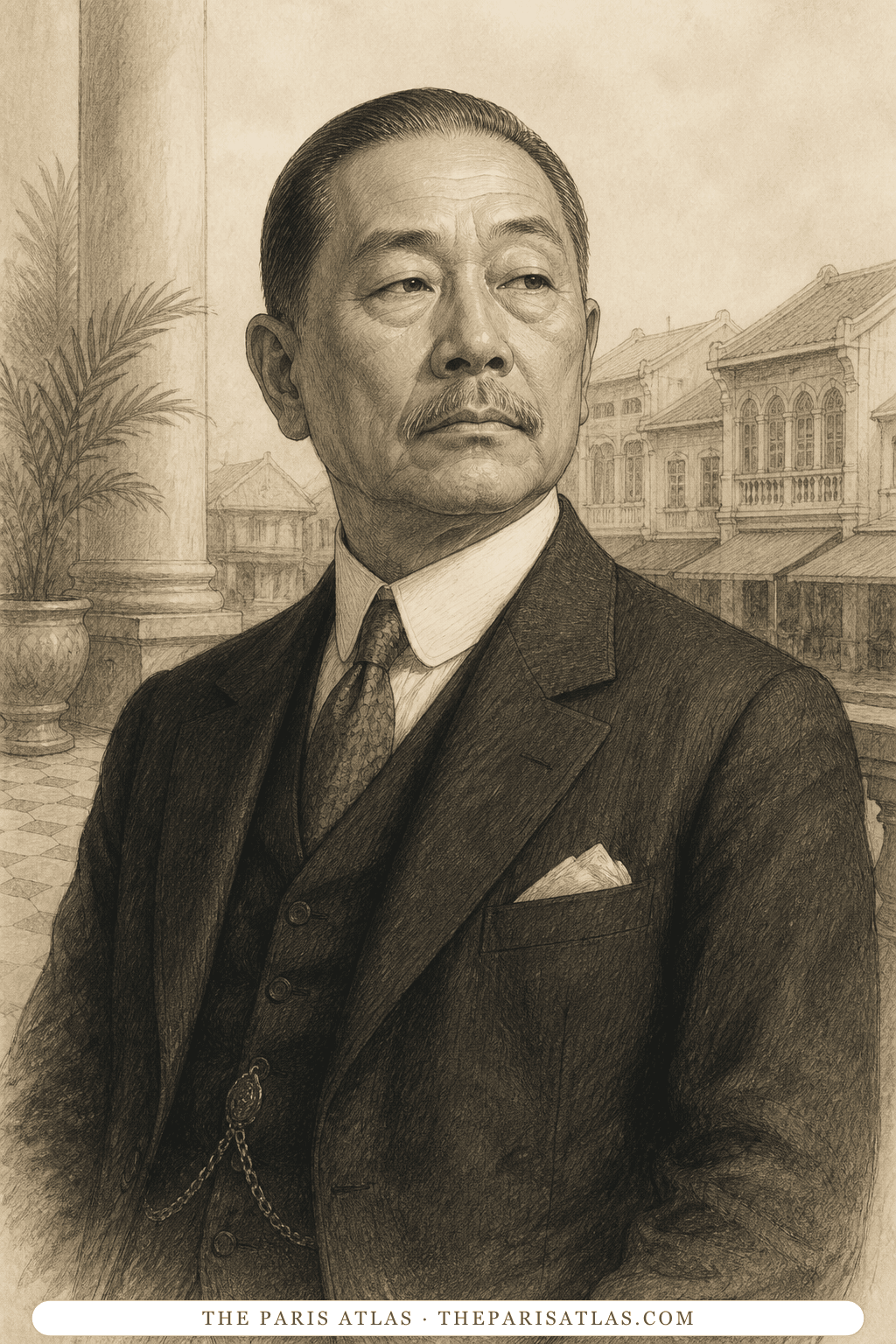
The Chinese man’s father
A rich property owner whose control of money and inheritance decides that his son cannot marry the girl.
In the narrator’s account, to preserve the family fortune, authority, arranged marriage, and expected heir.
The book

At a glance
- Property owner and businessman
- Rental housing and land in Cholon, Sadec, and the surrounding region
- Controls his son’s allowance, inheritance, and marriage
Who they are in the book
Spoiler-freeThe lover’s father is an extremely wealthy Chinese businessman whose fortune began with rental housing in Cholon. He owns streets, land, and property extending toward Sadec. The narrator knows him mainly through his son and through the power his money exercises at a distance.
He has already demonstrated that power by stopping his son’s allowance and forcing him home from Paris. When the son asks to keep or marry the French girl, the father refuses. He expects the family arrangement with a Chinese bride to continue.
The book gives little access to his private reasoning. What matters in the plot is his control of inheritance and family continuity. The son loves the girl but does not choose a life that would require giving up the father’s fortune.
How The Chinese man’s father Is Portrayed
- Wealth built through propertyThe son describes rental housing, streets, rice fields, and new building land connected to the father’s fortune.
- Controls through moneyHe can end his son’s life in Paris by stopping the allowance and sending a ticket home.
- Refuses the marriageHe will not accept the poor French schoolgirl as his son’s wife, despite the colonial family’s own contempt for Chinese people.
- Powerful mostly offstageHe does not need many direct scenes because the son anticipates his judgment before acting.
He refuses to let his son marry or keep the girl. The son pleads but does not break with him. The girl agrees that she will leave, so the father’s decision and her own departure point in the same direction.
After the narrator leaves, the son marries the Chinese bride chosen years earlier and is expected to produce an heir. The father’s plan survives the affair, even though the final phone call shows that it does not erase the son’s attachment.
If you like The Lover


If you like Marguerite Duras
Explore authors with a similar voice, perspective, and influence.
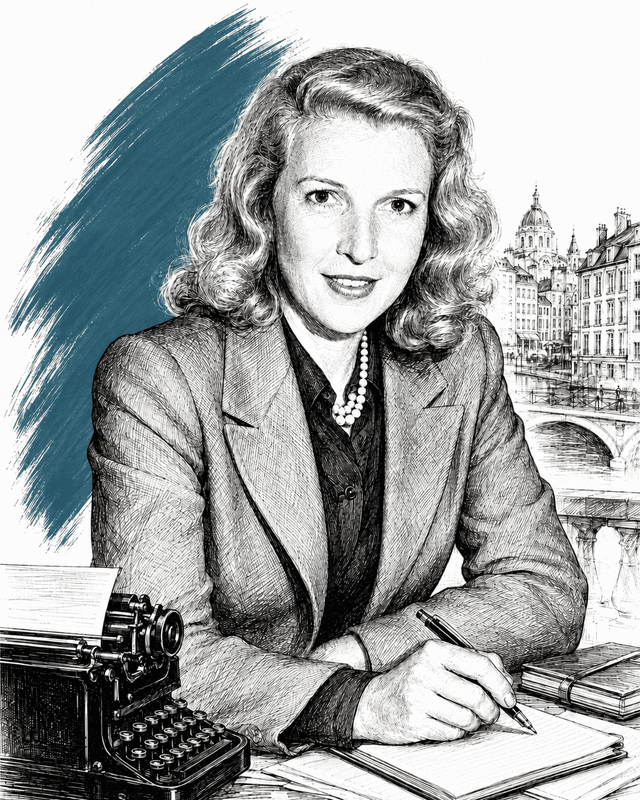
Martha Gellhorn
War correspondent who covered the Spanish Civil War, D-Day, and conflicts across five more decades; Hemingway's third wife, 1940–1945.
View author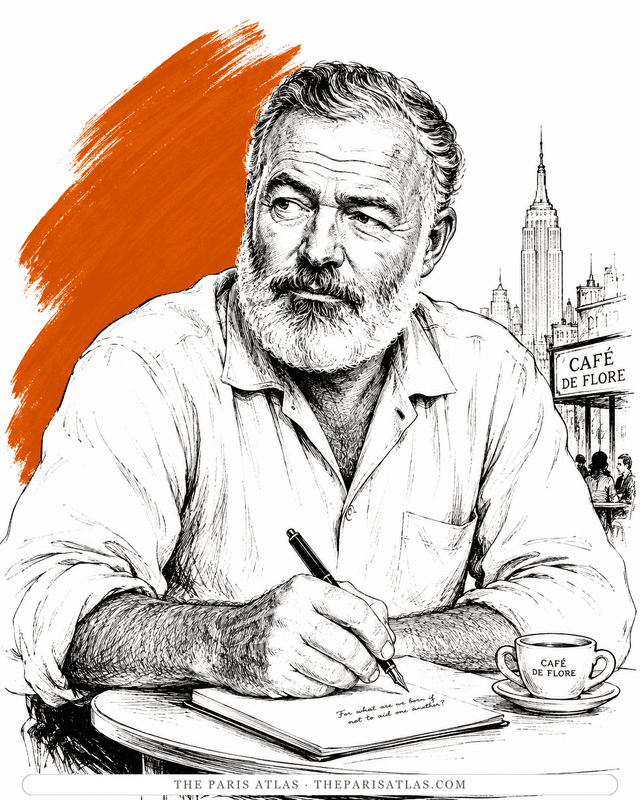
Ernest Hemingway
Author of The Sun Also Rises and A Moveable Feast; his pared-down style, developed in 1920s Paris, became the most imitated in American prose.
View author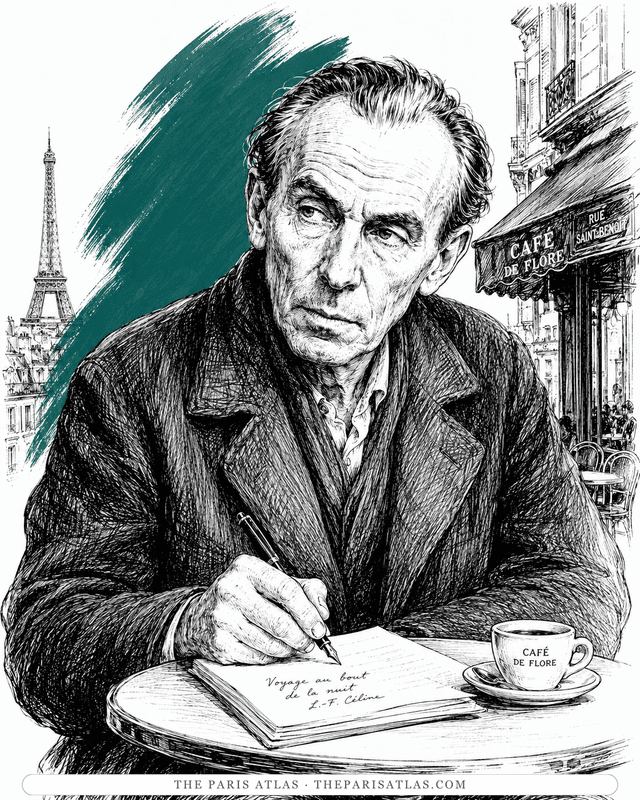
Louis-Ferdinand Céline
The doctor of the Paris slums who wrote the century's blackest, funniest novel — and changed the sound of French prose.
View author