
The younger brother
The gentle brother the narrator calls her child, although he is actually two years older than she is.
In the narrator’s account, to escape the elder brother’s rule and find an ordinary adult life he can manage without fear.
The book

At a glance
- Two years older than the narrator
- Accounting clerk in Saigon
- Cars, mechanics, hunting, and rifles
- The narrator’s beloved brother and ally
Who they are in the book
Spoiler-freeThe brother called younger is two years older than the narrator. The label distinguishes him from the eldest son rather than describing his age relative to his sister. He struggles with schoolwork and later becomes an accounting clerk in Saigon.
He and the narrator share jokes, outdoor adventures, and fear of the elder brother. He intervenes when their mother beats her, then hides because he is afraid she may be killed. The narrator’s protective language reverses their ages: she calls him her child because she sees him as the person she must save.
The older narrator remembers his death at twenty-seven as one of the central losses of her life. That later grief changes the earlier portrait. His interest in cars, hunting, and mechanics becomes precious because it belongs to a future he never reaches.
How The younger brother Is Portrayed
- Older than his sisterHe is two years older, despite the family label “younger brother.” The title means younger than the eldest son.
- Her closest family allyThe two younger children laugh together and understand dangers they rarely explain aloud.
- Afraid of the elder brotherHis fear is learned through repeated violence, not presented as simple weakness.
- Protective in returnHe shouts at their mother to stop beating the girl, even though he is terrified of what the elder brother may do.
- Interested in machinesHe talks with his sister about cars, rifles, hunting, and mechanics more easily than he talks about family pain.
- Remembered through griefThe narrator’s later knowledge of his early death gives every childhood scene with him a second meaning.
He travels to France with his mother and sister. During the voyage he has a brief relationship with a married woman, but returns to the family after arrival rather than leaving with her.
Years later he dies at twenty-seven when his heart gives out. The narrator experiences the news as a break in reality and believes the elder brother’s long violence contributed to the death. Her grief for him becomes one of the book’s strongest accounts of love.
If you like The Lover


If you like Marguerite Duras
Explore authors with a similar voice, perspective, and influence.
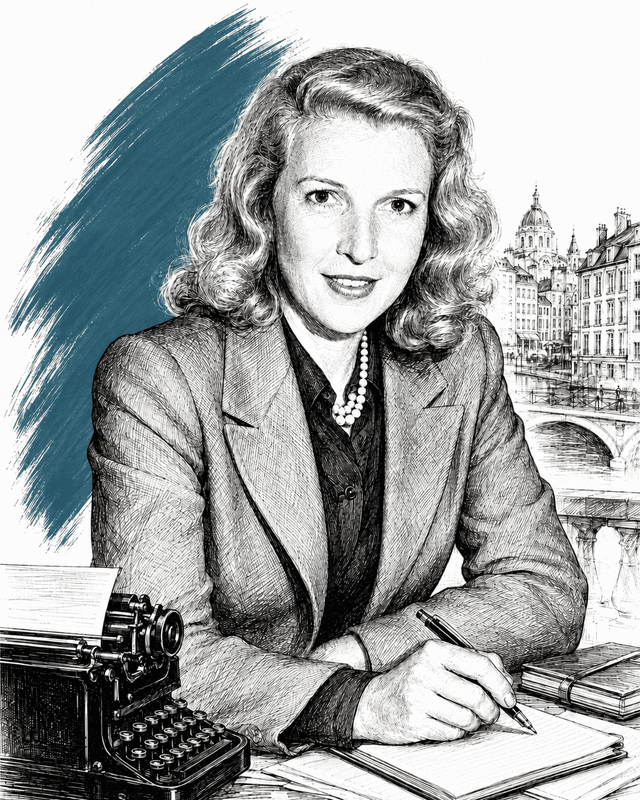
Martha Gellhorn
War correspondent who covered the Spanish Civil War, D-Day, and conflicts across five more decades; Hemingway's third wife, 1940–1945.
View author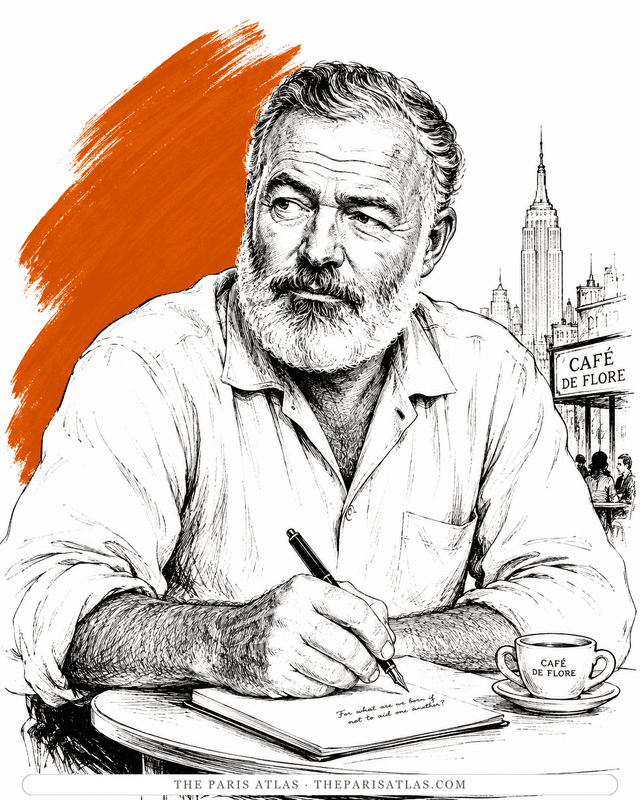
Ernest Hemingway
Author of The Sun Also Rises and A Moveable Feast; his pared-down style, developed in 1920s Paris, became the most imitated in American prose.
View author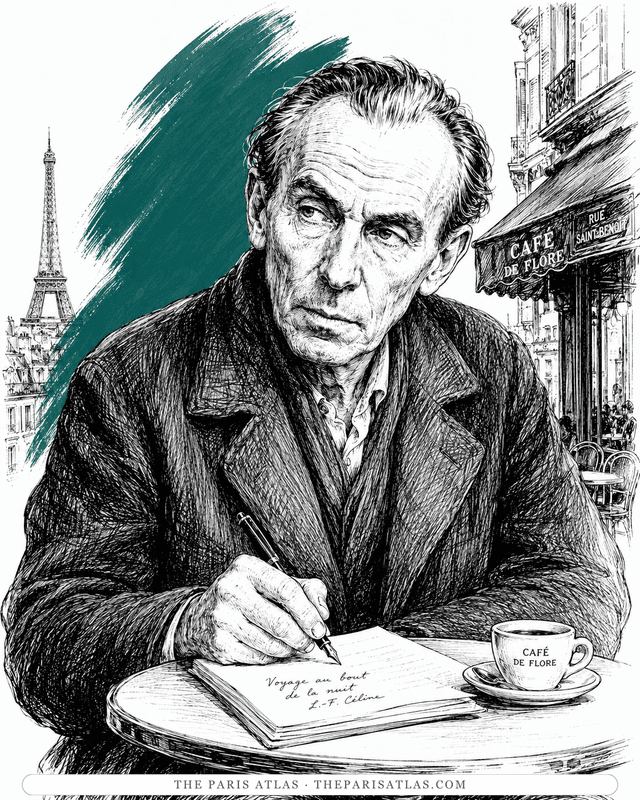
Louis-Ferdinand Céline
The doctor of the Paris slums who wrote the century's blackest, funniest novel — and changed the sound of French prose.
View author