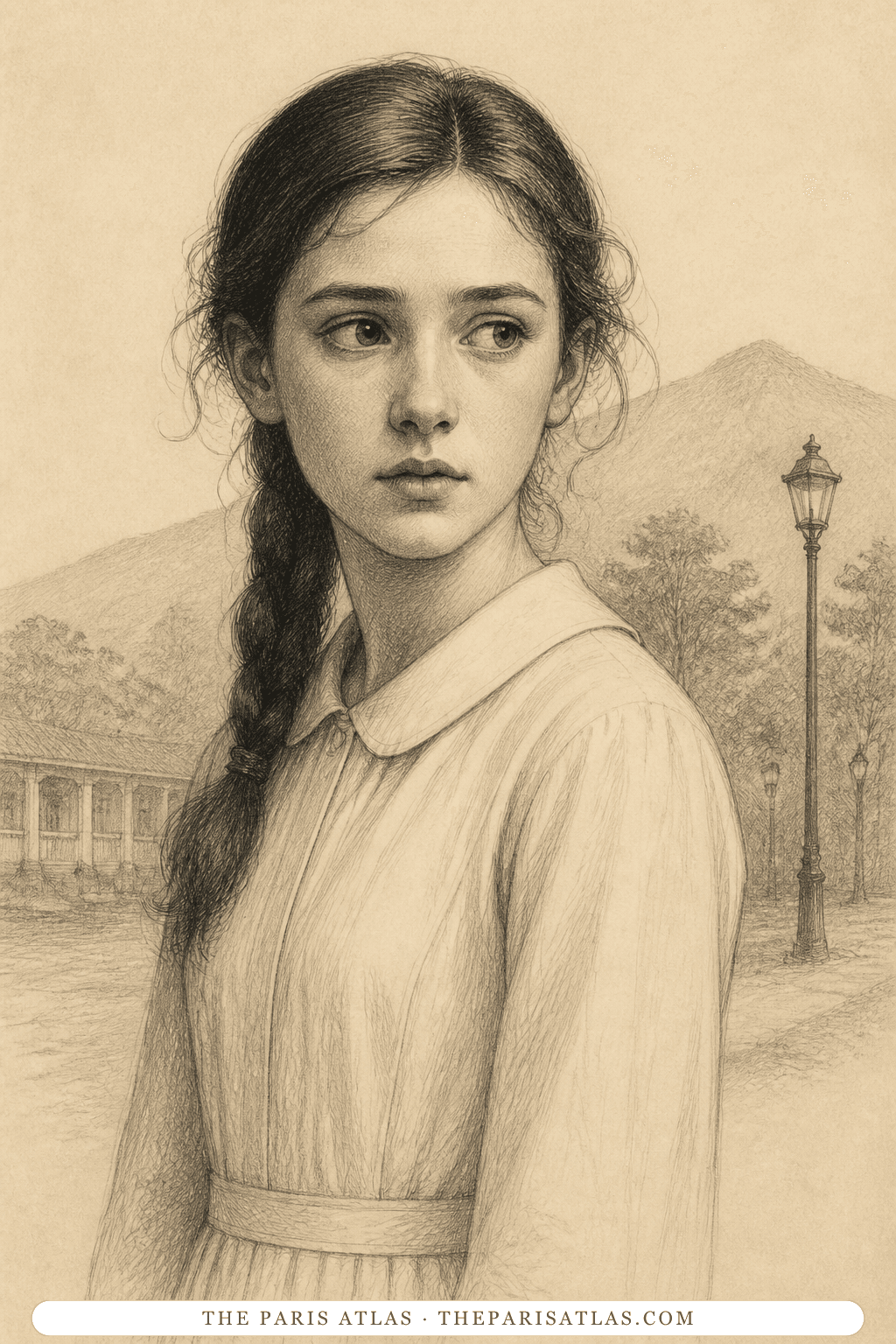
Hélène Lagonelle
The narrator’s seventeen-year-old boarding-school friend, a source of comfort, worry, and intense desire.
In the narrator’s account, to feel safe, return to her mother, and avoid a future chosen for her by other people.
The book

At a glance
- Seventeen
- Da Lat highlands
- Post office
- State boarding school in Saigon
- The narrator’s friend and object of desire
Who they are in the book
Spoiler-freeHélène Lagonelle is seventeen and has recently come from the highlands around Da Lat to the state boarding school in Saigon. Her father works for the post office. She and the narrator are the only white French girls at the school, which brings them together inside a much larger group of students.
Hélène is anxious, homesick, and worried about the future her family may arrange for her. She waits when the narrator stays out, reports that the school has telephoned about missed classes, and cries because she fears being left. Her concern makes the boarding school feel like a real relationship rather than a pause between meetings with the lover.
The narrator is strongly attracted to Hélène and describes that desire directly. Hélène does not become the narrator’s sexual partner, and the book does not give her a later identity label. Her importance is that the narrator’s desire is wider and less orderly than the phrase “love affair with a man” suggests.
How Hélène Lagonelle Is Portrayed
- Seventeen and newly arrivedShe comes to Saigon during the school year and has not settled easily into boarding-school life.
- From Da LatHer family lives in the cooler highlands, and she longs to return to her mother there.
- Waits for the narratorShe stays alert to missed classes and late returns, often understanding that something is wrong without demanding every detail.
- Afraid of an arranged futureThe narrator believes Hélène will eventually submit to the marriage her family plans, though she also admits she may be projecting.
- Desired by the narratorThe attraction is intense and explicit in the narrator’s memory, but it is not turned into a sexual relationship in the plot.
- Her fate remains unknownShe leaves the school before the narrator goes to France. The older narrator does not know what became of her.
Hélène leaves the boarding school well before the narrator departs for France. The narrator believes Hélène’s mother called her home to meet a possible husband, but immediately admits she may be wrong about the reason.
The older narrator never learns Hélène’s later fate. That absence matters: even a person remembered with extraordinary intensity can disappear from the record, leaving desire without a completed story.
If you like The Lover


If you like Marguerite Duras
Explore authors with a similar voice, perspective, and influence.

Martha Gellhorn
War correspondent who covered the Spanish Civil War, D-Day, and conflicts across five more decades; Hemingway's third wife, 1940–1945.
View author
Ernest Hemingway
Author of The Sun Also Rises and A Moveable Feast; his pared-down style, developed in 1920s Paris, became the most imitated in American prose.
View author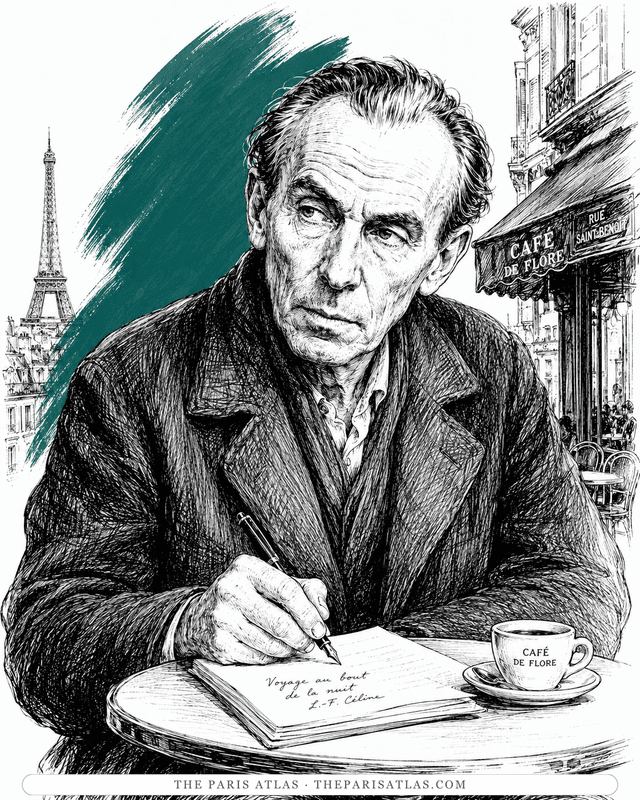
Louis-Ferdinand Céline
The doctor of the Paris slums who wrote the century's blackest, funniest novel — and changed the sound of French prose.
View author