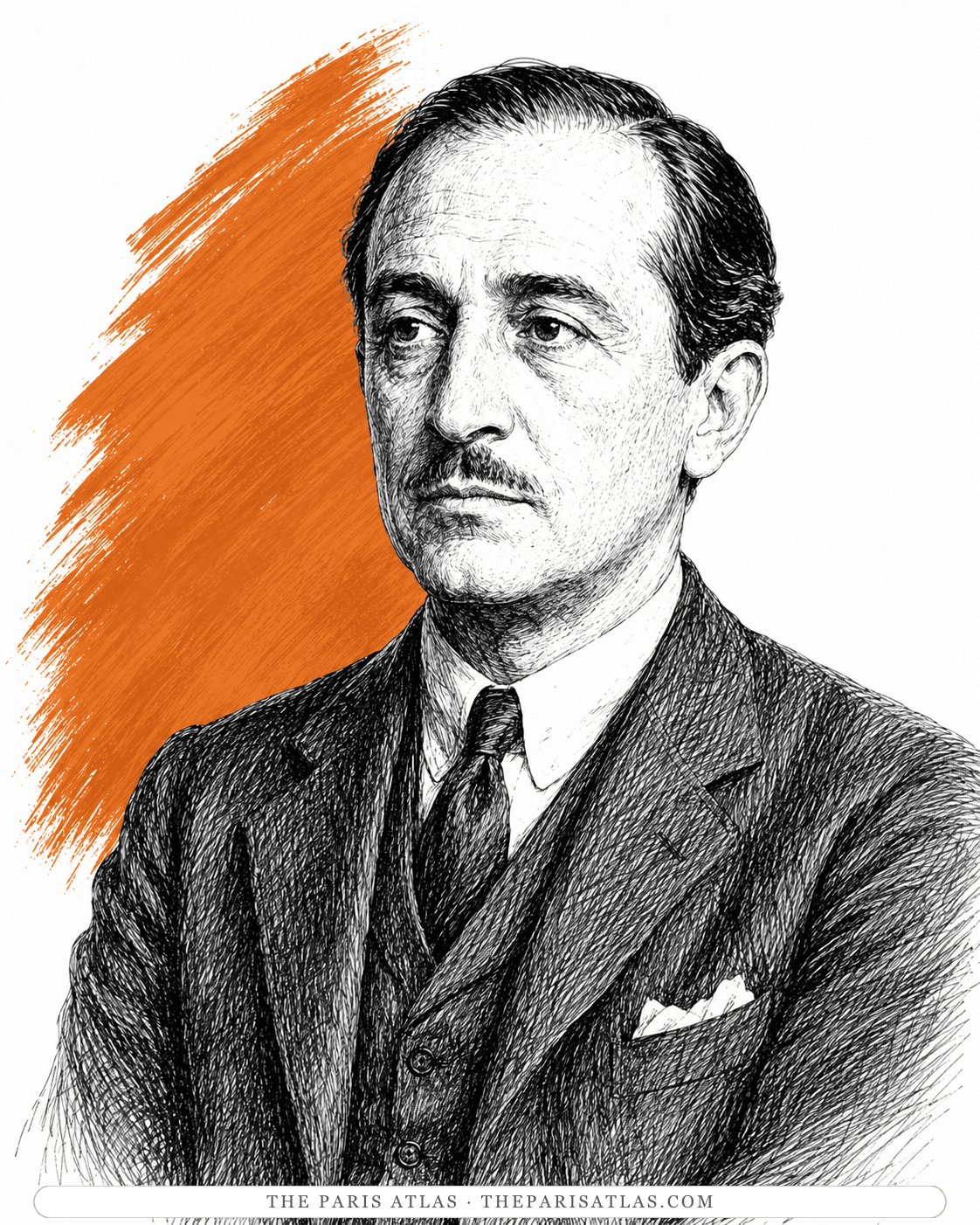
Montoya
Keeper of the Pamplona hotel where the matadors stay — and of aficion itself, the passion he ranks above money, manners, and guests.
To know who really cares about bullfighting and who is only watching. He asks Jake Barnes whether Bill Gorton is an aficionado too, does not believe the answer, and asks again. The word means passion, and in his hotel it decides who is welcome.
The book

At a glance
- Owner of the hotel on Pamplona's square; Jake's fellow aficionado
- Pamplona only — and the book is poorer everywhere else for it
- Juanito — the matadors' photographs are dedicated to him or to his sister
- A hand on the shoulder, and no explanation offered or needed
- Romero, from flattery, foreigners, and an invitation to dine with the American ambassador
- Juanito Quintana · Pamplona
Who they are in the book
Spoiler-freeMontoya's hotel on the square is where the bullfighters stay, and Montoya is the fiesta's gatekeeper: the photographs of matadors on his walls are a canon, admission decided by one question — aficion, passion, the real thing or not. Jake has it, and Montoya's hand on his shoulder, the shy shared secret of it, is the closest the novel comes to depicting a church in good working order. For aficion, Montoya will forgive a man anything; the book says so, and then spends the fiesta testing it.
His treasure is Romero. A nineteen-year-old with that gift must be protected — from flattery, from foreigners, from the American ambassador's dinner invitations — and Montoya trusts Jake, as a fellow believer, to help him do it. The trust is the tragedy in miniature: the book gives Montoya only a handful of scenes, and builds one of its quietest heartbreaks out of them.
How Montoya Is Portrayed
- The testA hand on the shoulder, an embarrassed smile — aficionados recognize each other by touch, and fakes never pass.
- The canonFramed photographs of matadors, kept or not kept — his wall is Pamplona's judgment on who was the real thing.
- The stewardHe seats the bullfight critics, shields his young matador, and runs the fiesta's one honest house — hospitality as a form of belief.
- The drawerPhotographs of bullfighters he believed in are framed on the wall. The ones without aficion go in a desk drawer, however flattering their inscriptions, and one day he takes the whole drawer out and drops it in the waste-basket.
- The roomsAficionados can always get a room, even when the hotel is full. It is the only currency in the book that is not money.
- The withdrawalThe friendship ends without a word said. Seeing Romero drinking at a table of drunks with Brett beside him, Montoya leaves the room; afterwards he does not nod when Jake passes.
The heartbreak lands in a single gesture: Jake makes the introduction, Brett takes Romero, and Montoya — who trusted Jake with the one thing he guards — stops seeing him. He bows without smiling when they leave the hotel; the friendship, and Jake's standing in the church of aficion, are simply gone. It is the novel's real betrayal, and Jake knows it. The original's story ran warmer: Juanito Quintana of the Hotel Quintana forgave the portrait entirely and remained one of Hemingway's dearest friends for life. He lost the hotel in the era of the Civil War — his sympathies were Republican — and when Hemingway returned to Spain in the fifties, Quintana was at his side through the corridas of The Dangerous Summer: the one Pamplona friendship the novel didn't cost him.
If you like The Sun Also Rises


If you like Ernest Hemingway
Explore authors with a similar voice, perspective, and influence.

Louis-Ferdinand Céline
The other great stylist the Great War produced — where Hemingway cut the language down, Céline set it on fire. The same wound, opposite treatments.
View author
Henry Miller
Paris on no money a decade later, with the restraint removed. Miller called Hemingway's Paris a tourist's Paris; readers get to referee.
View author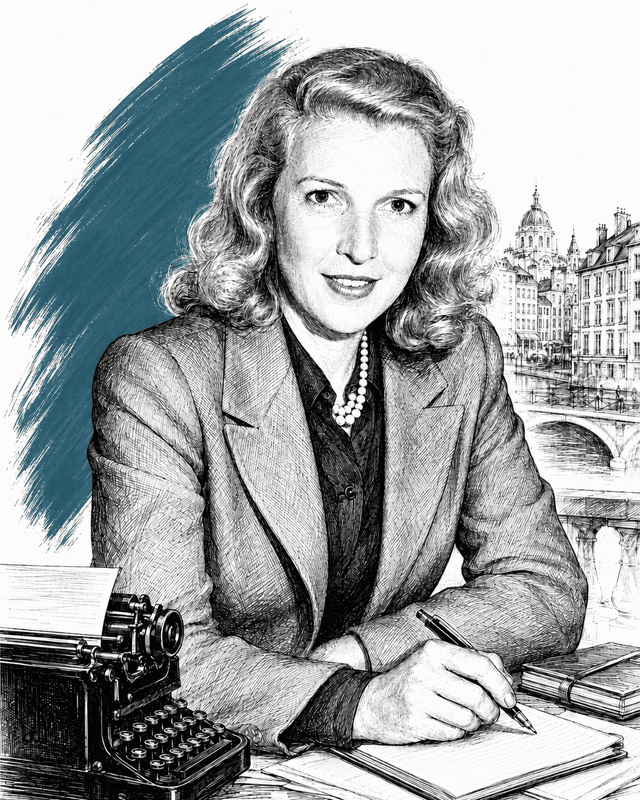
Martha Gellhorn
War correspondent who covered the Spanish Civil War, D-Day, and conflicts across five more decades; Hemingway's third wife, 1940–1945.
View author