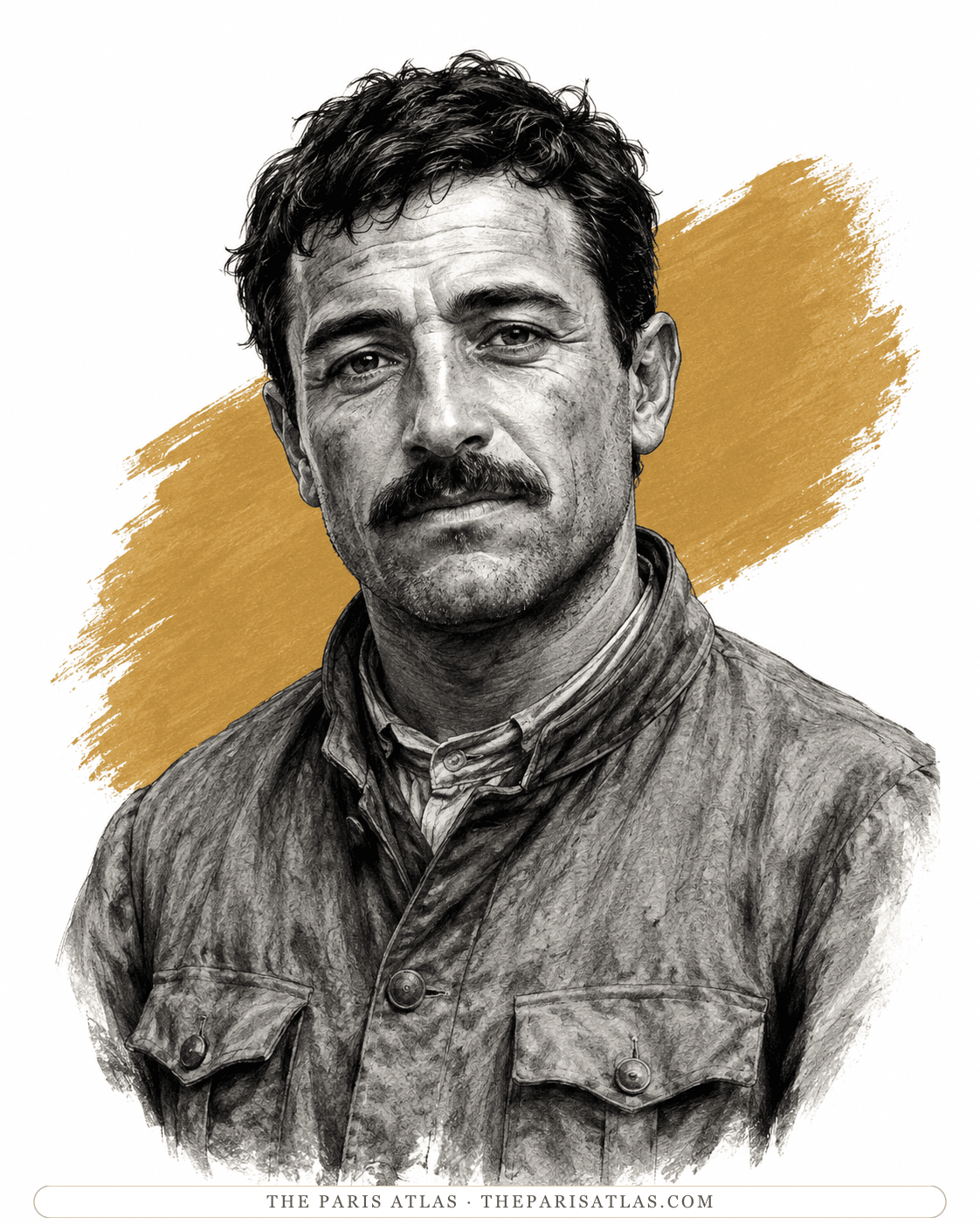
Bonello
An ambulance driver. He finishes off a wounded sergeant during the retreat, then leaves on his own to be taken prisoner.
To kill a sergeant, which he says he has wanted all his life. After that, simply to come out of the war alive.
The book

At a glance
- Bonello — an ambulance driver under Frederic Henry on the retreat
- Imola, and a socialist; called an anarchist because he does not go to church
- Piani points it out: "Neither is Bonello"
- Of his own accord, to be taken prisoner
Who they are in the book
Spoiler-freeBonello drives the second of the three ambulances. He is a socialist from Imola like the other two, teased for being an anarchist because he does not go to church, and he does the most shocking thing any of the drivers does.
He is also the only one who says plainly that he does not intend to die for this. He is right that the retreat is lethal, and wrong about where the danger is.
How Bonello Is Portrayed
- "Let me go finish him"Two sergeants of engineers refuse to cut brush for a stuck car and walk off; Frederic shoots one of them. Bonello asks for the pistol, walks down the road, puts it against the man's head and pulls the trigger. Nothing happens. Frederic has to tell him he needs to cock it. He cocks it, fires twice, drags the body to the side of the road by the legs, and comes back.
- "All my life I've wanted to kill a sergeant"Walking afterwards, he is pleased with himself. "I never killed anybody in this war, and all my life I've wanted to kill a sergeant." Aymo asks what he will say in confession. "I'll say, 'Bless me, father, I killed a sergeant.'" They all laugh.
- You cross first, TenenteAt the railway bridge he decides it is probably mined and nominates Frederic to walk over it. Aymo tells the others to make him go first. Frederic goes anyway, and Piani asks Bonello why he has no brains. "If I had brains I wouldn't be here," Bonello says.
- "He wanted to be a prisoner"He goes out of the farmhouse to look for food and does not come back. Piani reports it plainly: "He went away, Tenente," he says. "He wanted to be a prisoner." Then he adds that Bonello was afraid they would get killed. Frederic, having then walked through two armies without incident, decides it was silly of him.
Nobody ever finds out what became of him.
If you like A Farewell to Arms


If you like Ernest Hemingway
Explore authors with a similar voice, perspective, and influence.

Louis-Ferdinand Céline
The other great stylist the Great War produced — where Hemingway cut the language down, Céline set it on fire. The same wound, opposite treatments.
View author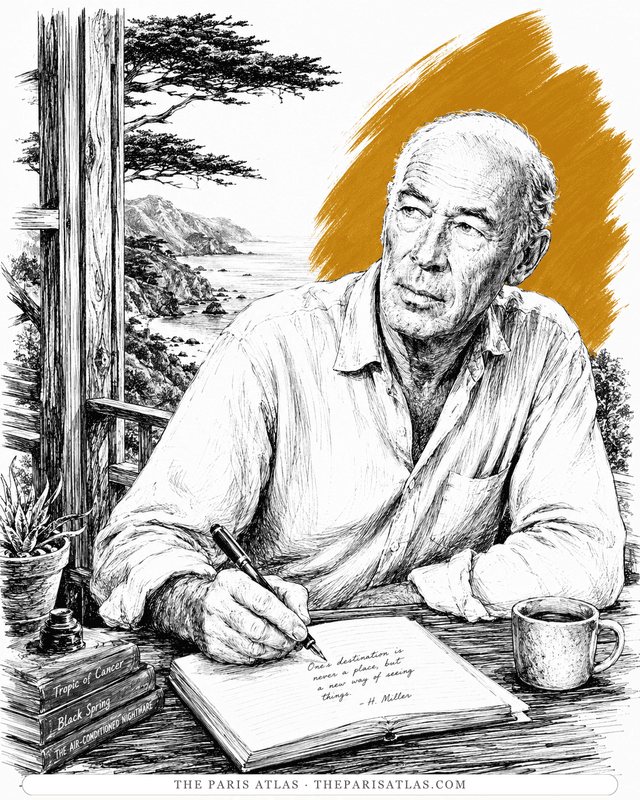
Henry Miller
Paris on no money a decade later, with the restraint removed. Miller called Hemingway's Paris a tourist's Paris; readers get to referee.
View author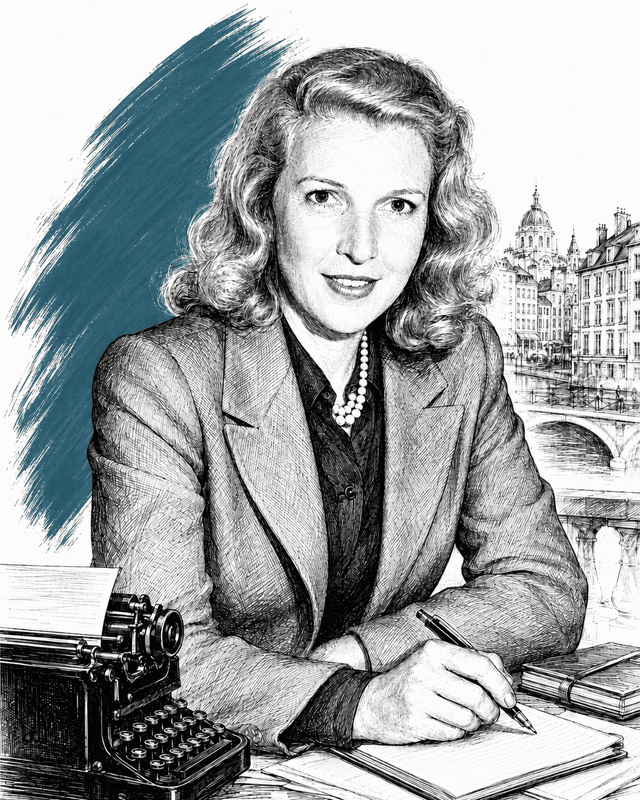
Martha Gellhorn
War correspondent who covered the Spanish Civil War, D-Day, and conflicts across five more decades; Hemingway's third wife, 1940–1945.
View author