Ettore Moretti
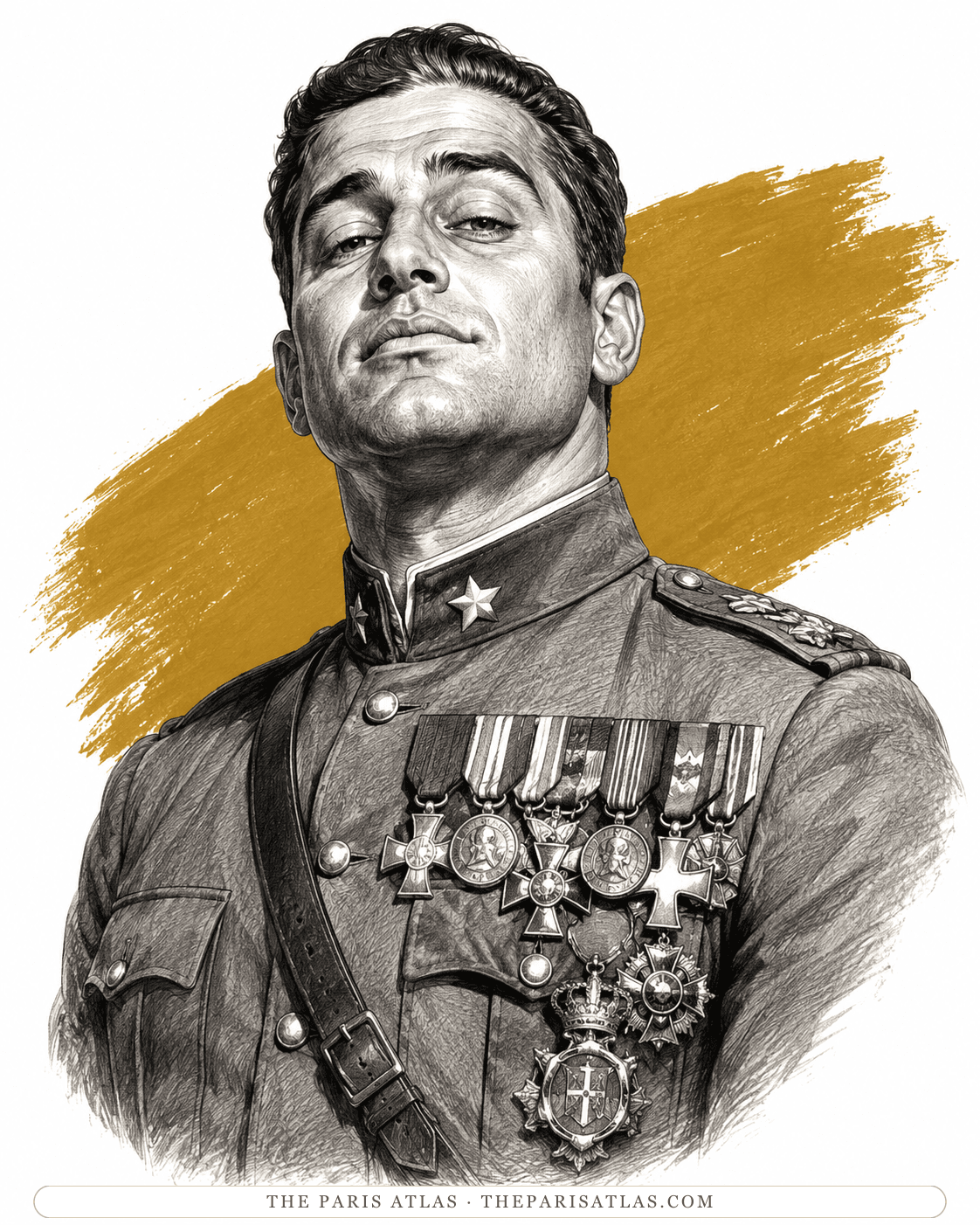
An Italian-American officer on leave in Milan. He has five medals and three wounds, and talks about them constantly.
To be a captain, and to be known for it. He has served two years, counts his medals aloud at the table, and tells the room he will be promoted.
The book

At a glance
- Ettore Moretti — an Italian from San Francisco, serving as a lieutenant in the Italian army
- Twenty-three
- Two bronze medals, three silver, and three wound stripes
- "I don't drink and I don't run around. I'm no boozer and whorehound."
Who they are in the book
Spoiler-freeEttore Moretti is twenty-three, an Italian from San Francisco, and a lieutenant in the Italian army. He was brought up by an uncle in California and was visiting his parents in Torino when war was declared. Frederic Henry runs into him drinking outside a bar near the Scala with a vice-consul and two American singers.
The book's verdict on him is one sentence long: "He was a legitimate hero who bored every one he met." Everything he claims about himself appears to be true.
How Ettore Moretti Is Portrayed
- The medalsTwo bronze and three silver, though the papers have come through on only one, because "when the action isn't successful they hold up all the medals." He would rather have the wound stripes anyway: "when you get three you've got something."
- The footA grenade blew the side of it off. There is dead bone in there that stinks, and every morning he takes new little pieces out. He shot the man who threw it in the belly, because he was afraid he would miss if he aimed at the head.
- Touching the starsTold they might kill him, he says they won't, and puts his thumb and forefinger on the stars at his collar. "See me do that? We always touch our stars if anybody mentions getting killed." He expects to be made a captain for merit of war, and a colonel before the war is over.
- "Usually, darling, they're much quieter"Catherine Barkley cannot stand him. She grants that England has heroes too and that he is plainly useful at the front, then says he bores her three times in one sentence. Frederic starts by claiming he doesn't mind him and gives it up: "He bores me."
Ettore is the novel's straight measurement of military glory. He has earned all of it, he is genuinely brave, and he is unbearable. He leaves the book without ceremony, in a single clause in the September chapter — "Ettore was gone back to the front" — filed between the horses going to Rome and the end of the racing season. He does not appear again.
If you like A Farewell to Arms


If you like Ernest Hemingway
Explore authors with a similar voice, perspective, and influence.

Louis-Ferdinand Céline
The other great stylist the Great War produced — where Hemingway cut the language down, Céline set it on fire. The same wound, opposite treatments.
View author
Henry Miller
Paris on no money a decade later, with the restraint removed. Miller called Hemingway's Paris a tourist's Paris; readers get to referee.
View author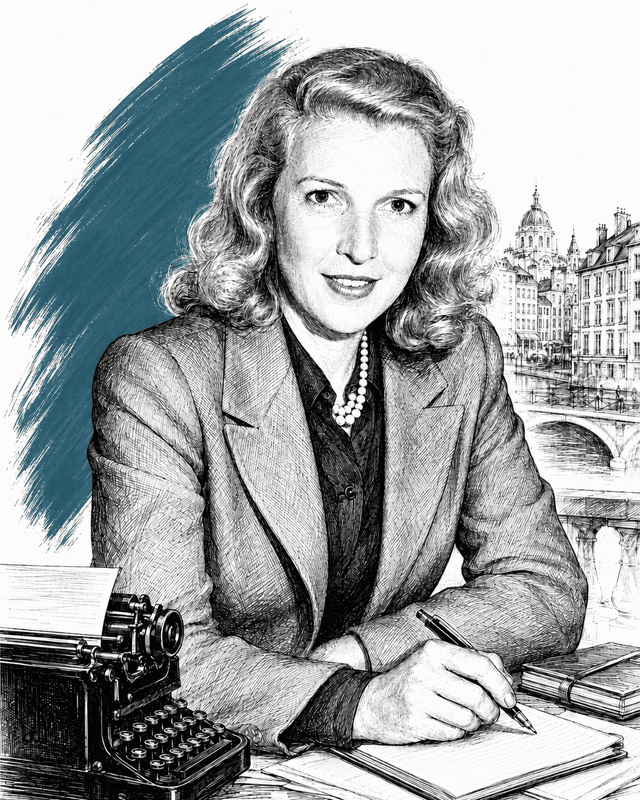
Martha Gellhorn
War correspondent who covered the Spanish Civil War, D-Day, and conflicts across five more decades; Hemingway's third wife, 1940–1945.
View author