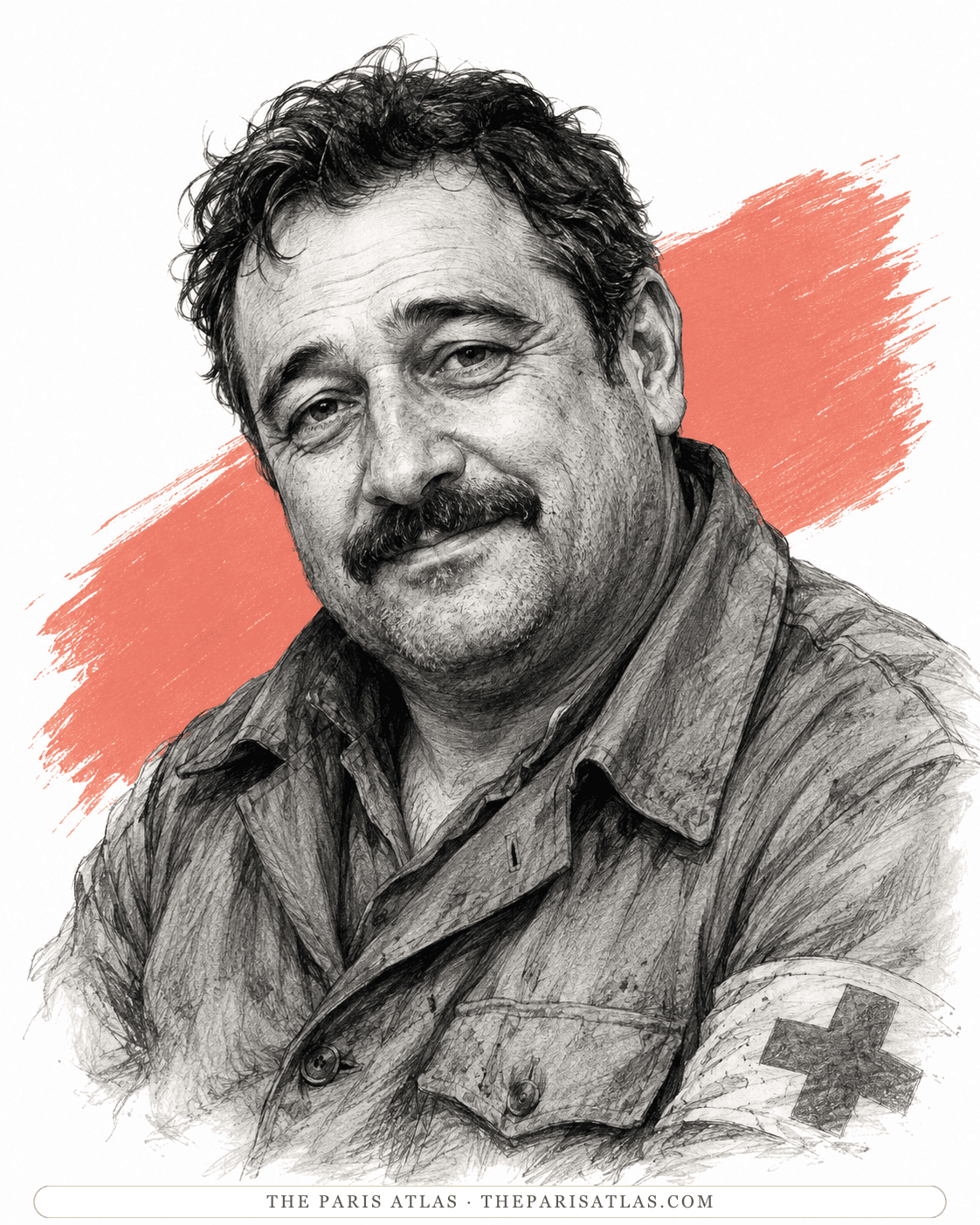
Luigi Piani
One of the three ambulance drivers under Frederic Henry. He is the one who stays with him to the end of the retreat.
To stay out of a prison camp and get home to his wife. Asked whether being married is why he did not want to be taken prisoner during the Italian army's retreat from Caporetto in 1917, he says that is one reason.
The book

At a glance
- Luigi Piani — one of three ambulance drivers under Frederic Henry on the retreat
- Imola, and a socialist, as he corrects Frederic to say
- Yes, and gives it as one reason he would not be a prisoner
- A little ahead of Frederic in the crowd crossing the Tagliamento bridge
Who they are in the book
Spoiler-freePiani drives one of the three ambulances Frederic Henry takes out of Gorizia when the Italian army falls back from Caporetto. He is a big man who sleeps heavily and swears constantly in company, and he is the last of the three still walking beside Frederic when the retreat reaches the Tagliamento.
He is also the one who explains the drivers to Frederic. They are socialists from Imola, they do not believe in the war, and none of that stops him from staying.
How Luigi Piani Is Portrayed
- "We're socialists. We come from Imola"Piani calls Bonello an anarchist because he does not go to church, Bonello returns the charge, and Frederic asks whether they really are anarchists. Piani corrects him: "No, Tenente. We're socialists. We come from Imola." He then invites Frederic to visit after the war. "We'll make you a socialist too."
- Gentler aloneFrederic notices the difference and records it in one line: "Alone he was much gentler. When he was with the others he was a very rough talker."
- "I did not want to leave you"Bonello walks off to surrender. Frederic asks Piani why he did not go with him, and that is the whole answer. Piani has already given the rest of his position: "You see we don't believe in the war anyway, Tenente." He is married, and says that is one reason he would not be taken prisoner.
- "I better call you by your name"On a road crowded with troops throwing away their rifles, someone shouts down with the officers. Piani takes Frederic by the arm and stops using his rank: "They might try and make trouble. They've shot some officers."
Piani is a few feet ahead of Frederic at the far end of the bridge when the battle police start pulling officers out of the column.
If you like A Farewell to Arms


If you like Ernest Hemingway
Explore authors with a similar voice, perspective, and influence.

Louis-Ferdinand Céline
The other great stylist the Great War produced — where Hemingway cut the language down, Céline set it on fire. The same wound, opposite treatments.
View author
Henry Miller
Paris on no money a decade later, with the restraint removed. Miller called Hemingway's Paris a tourist's Paris; readers get to referee.
View author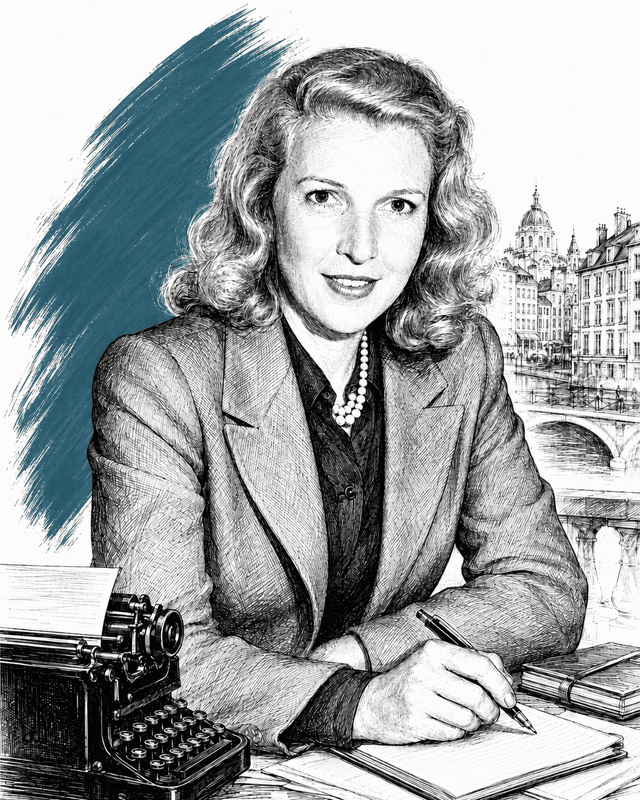
Martha Gellhorn
War correspondent who covered the Spanish Civil War, D-Day, and conflicts across five more decades; Hemingway's third wife, 1940–1945.
View author