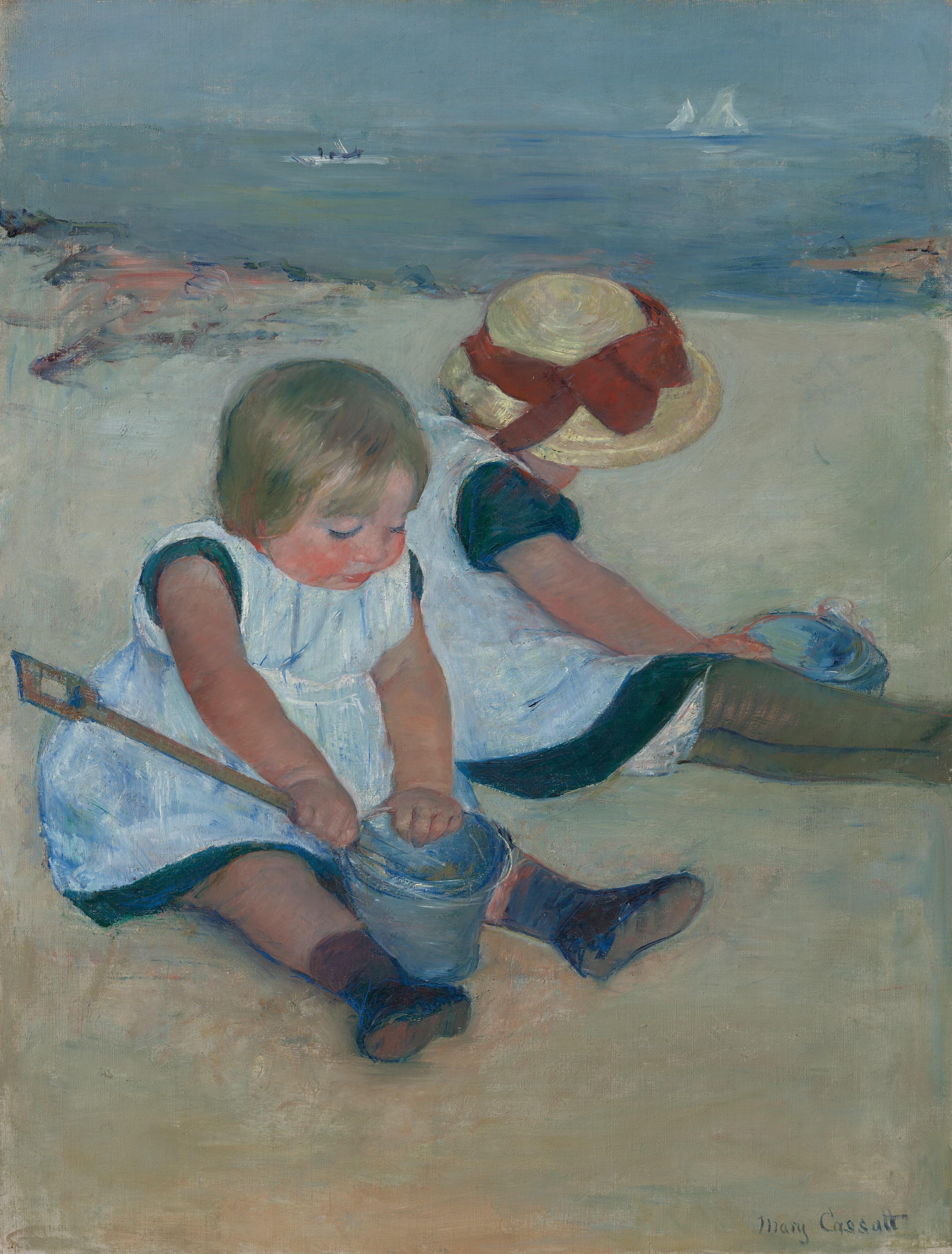
Children Playing on the Beach
by Mary Cassatt
Two small girls in blue dresses and sun hats dig in the sand with their pails, absorbed enough not to look up. Mary Cassatt painted it in 1884 and showed it two years later at the eighth and final Impressionist exhibition in Paris. Beach scenes were common among her colleagues and rare in her own work, which the National Gallery of Art says makes this canvas unusual among her paintings.
- 1884
- Oil on canvas
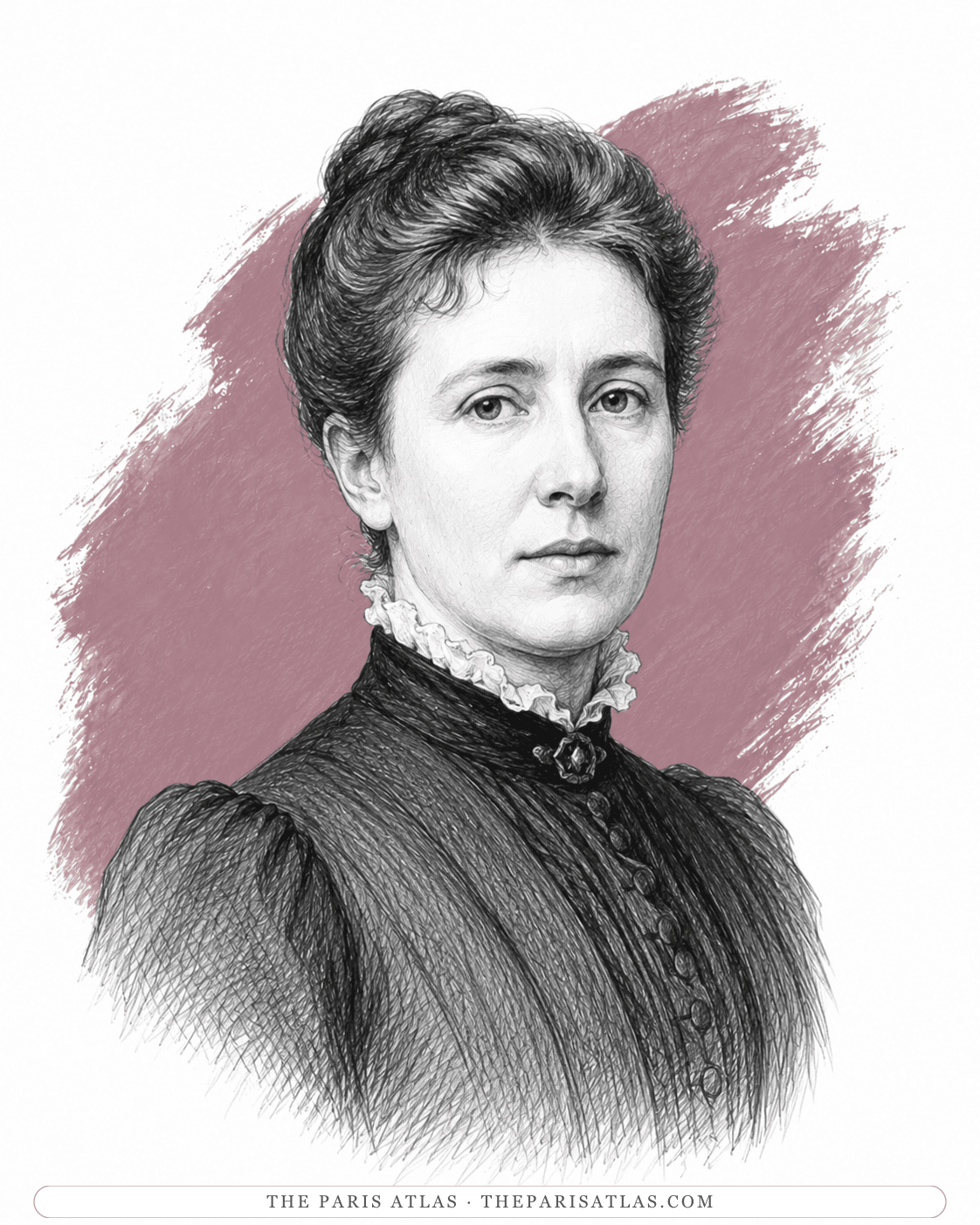
About Mary Cassatt
Two girls digging
Cassatt cropped the scene tightly, tipped the sand up toward the viewer, and stripped the background to almost nothing, so that the two children hold the whole picture. The sea and the boats behind them are brushed on so thinly that in places the pale ground underneath the paint shows through. The National Gallery connects the tight cropping and the tipped-up ground to her interest in Japanese prints, which shows in her work from 1883 onward.
Blue carries the picture: deep electric blue in a dress and a pair of shoes, soft diffused blue in the ocean, with white where sunlight catches the dresses, the hats and the pails. The girls are not identified. Cassatt painted them side by side in nearly identical outfits, close enough to be comfortable with each other, which the museum reads as implying they are sisters.
Two years after her sister died
Cassatt's older sister Lydia died in 1882, and Cassatt did not paint for six months afterward. The National Gallery presents this picture as a nostalgic tribute to Lydia. Cassatt never named the two children, but she gave them a relationship, positioning them so that the composition itself makes them a pair.
Cassatt's family duties were constant in these years. She was the main caretaker of her elderly parents and her sister, and the museum describes her adult life as a juggling of two incompatible roles — nurse-companion and independent artist. In 1884 she took her ailing mother to Spain for the sea air. The painting is generally thought to have been made after they returned, and finished in the studio: x-rays show she reworked nearly every area of the canvas.
The last Impressionist exhibition
The painting hung as number 11 in the eighth and final exhibition of the Impressionist group, held from 15 May to 15 June 1886 at 1 rue Laffitte, in rooms above the Maison Dorée restaurant. It was the fourth and last of the group's exhibitions Cassatt took part in, after 1879, 1880 and 1881.
By then critics had settled on what she was good at. The National Gallery quotes one of them on the difference between her children and everyone else's: "Oh, my God! those babies! How those portraits have made my flesh crawl, time and again! — A whole passel of English and French smearers has painted them in such stupid, pretentious poses! . . . For the first time, thanks to Mlle. Cassatt, I have seen effigies of enchanting tots, calm and bourgeois scenes, painted with an utterly charming sort of delicate tenderness." The museum does not name the writer.
Paris, then Washington
The picture stayed in France for most of a century. The dealer M. Portier sold it to Durand-Ruel in Paris on 4 April 1899, and Durand-Ruel sold it in March 1910 to M. Lanquety, whose godson Pierre Marbeau inherited it. It later belonged to Charles Durand-Ruel and his wife, and passed through the New York dealer Sam Salz, who sold it on 5 March 1965 to Ailsa Mellon Bruce.
Ailsa Mellon Bruce was the daughter of Andrew W. Mellon, who founded the National Gallery of Art. She died in 1969, and her bequest brought 189 works to the Gallery in 1970, this one among them as accession number 1970.17.19. It hangs in Gallery M86.
Close reading
Reading the work, detail by detail
Two children concentrate on sand and pails while the sea stretches behind them. Look at their different poses, the small tools, and the sharp change in scale between foreground and distance.
1.The absorbed face
The lowered gaze keeps attention on the task at hand. Soft modeling gives the face weight without interrupting the child's concentration.
2.Hands and shovel
The hands gather around the tool at the center of the activity. The long diagonal handle connects this small action to the left edge of the composition.
3.The pail
The elliptical rim and curved side give the pail a definite volume. Its cool color links the foreground play to the distant sea.
4.The ribboned hat
The hat turns the second child away from direct identification. Its rounded crown and emphatic bow provide a different focal shape beside the uncovered head.
5.Shoes in the sand
The spread legs give the nearer child a stable seated base. Dark footwear makes the pose clear against a ground painted with broad, quiet strokes.
6.Small boats offshore
The boats are only a few marks compared with the large children. This abrupt change of scale opens a distant world behind their close, self-contained activity.
Timeline
1882
Cassatt's sister Lydia dies; Cassatt does not paint for six months.
1884
Cassatt takes her ailing mother to Spain for the seaside climate; the painting is generally believed to have been made after her return, and finished in the studio.
1886
Number 11 in the eighth and final Impressionist exhibition, 1 rue Laffitte, Paris, 15 May to 15 June.
1899
Sold by the dealer M. Portier to Durand-Ruel in Paris on 4 April.
1907–08
Shown at Manchester City Art Gallery as number 71, under the title Children Playing on the Shore.
1965
Bought by Ailsa Mellon Bruce from Sam Salz in New York on 5 March.
1970
Enters the National Gallery of Art with the Ailsa Mellon Bruce bequest — accession 1970.17.19.
1986
Number 139 in The New Painting: Impressionism 1874–1886, at the National Gallery of Art and in San Francisco.
Where to see it
National Gallery of Art, Washington
Constitution Avenue NW, between 4th and 6th Streets, Washington, DC 20565, United States
The West Building entrance is at 6th Street; the East Building entrance is at 4th Street. Check the museum’s current display information for the work’s building and gallery.
Plan your visit on the museum’s official website (opens in a new tab)Frequently asked questions
Where is Children Playing on the Beach?
At the National Gallery of Art in Washington, West Building Main Floor, Gallery M86 — accession number 1970.17.19, part of the Ailsa Mellon Bruce Collection.
Who are the children in the painting?
Cassatt never said. The National Gallery notes that she did not reveal their identities, but painted them side by side in nearly matching outfits in a way that implies they are related.
Was Children Playing on the Beach in an Impressionist exhibition?
Yes — it hung as number 11 in the eighth and final Impressionist exhibition, held in Paris from 15 May to 15 June 1886. Cassatt exhibited with the group four times: 1879, 1880, 1881 and 1886.
Where did Cassatt paint it?
The beach itself is unrecorded. Cassatt took her ailing mother to Spain in 1884 for the sea air, and the National Gallery says the painting is generally believed to have been made after that trip. It was completed in the studio: x-radiographs show she reworked almost every part of the canvas.
Did Cassatt paint many beach scenes?
No, and that is part of why the painting matters. Coastal subjects were popular among her Impressionist colleagues, but Cassatt rarely painted them, which the National Gallery says gives this work a singular place in her output.
How does the painting relate to her sister Lydia?
Lydia Cassatt died in 1882, and her sister stopped painting for six months. The National Gallery reads this 1884 canvas of two girls playing closely together as a nostalgic tribute to her.
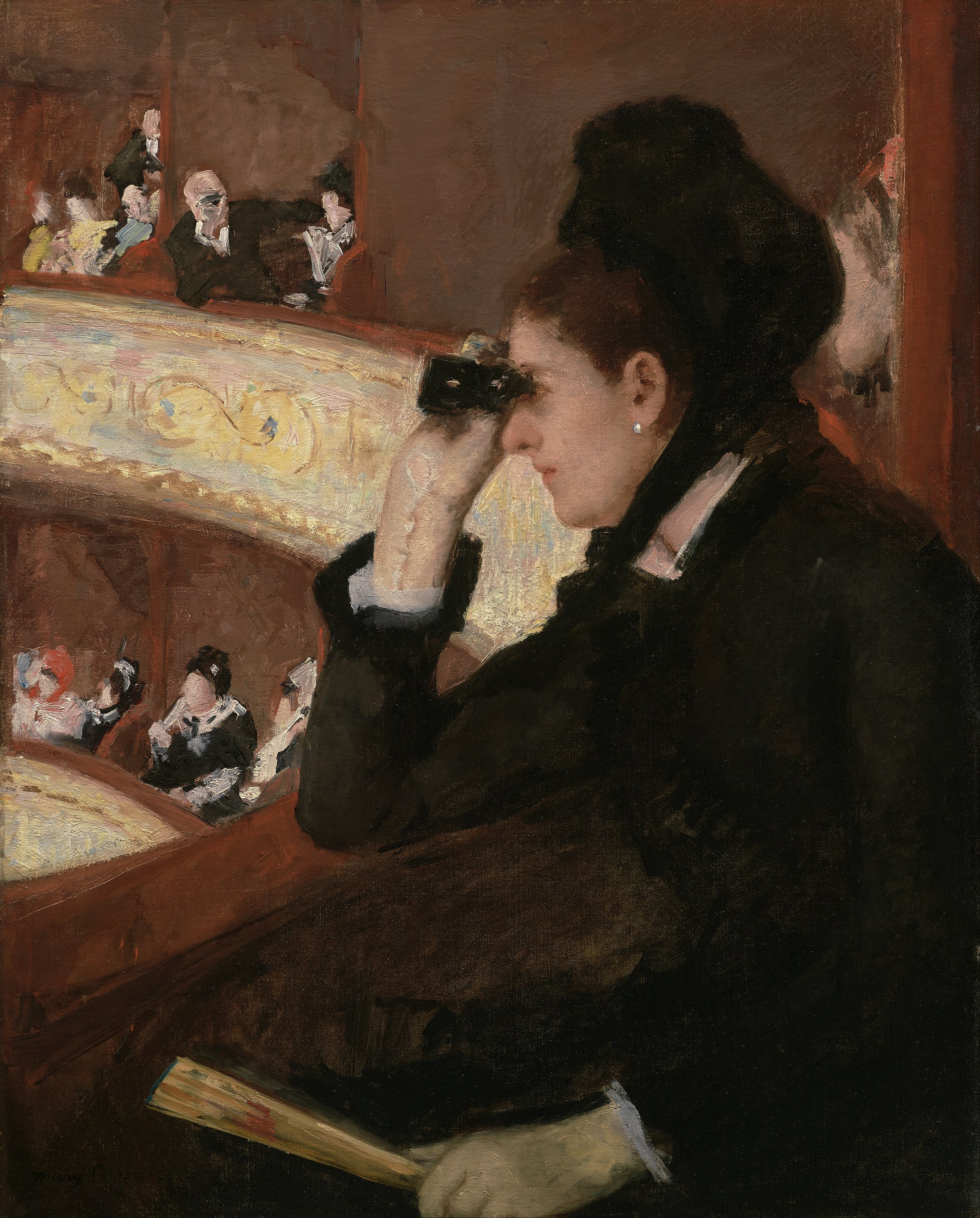
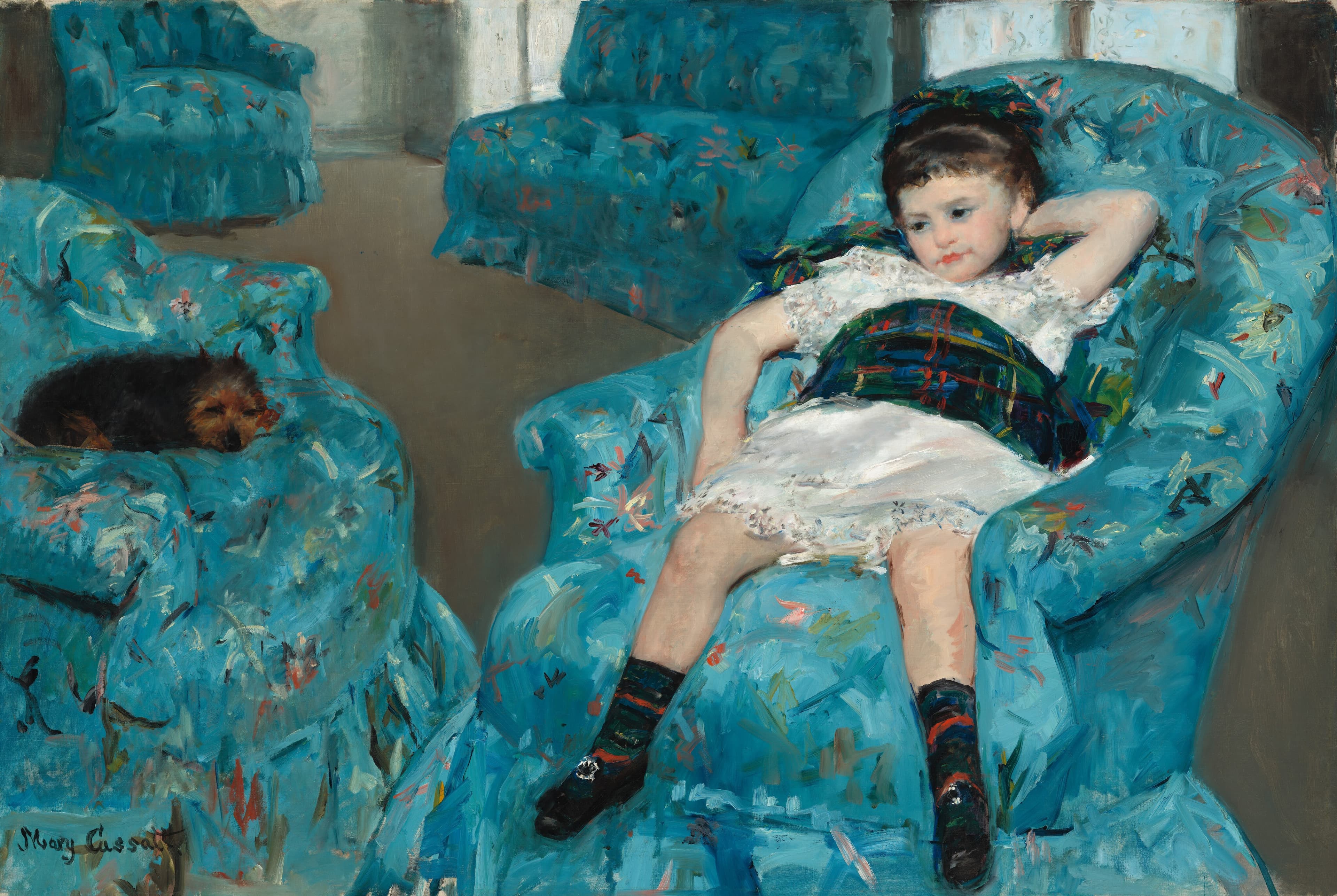
More by Mary Cassatt
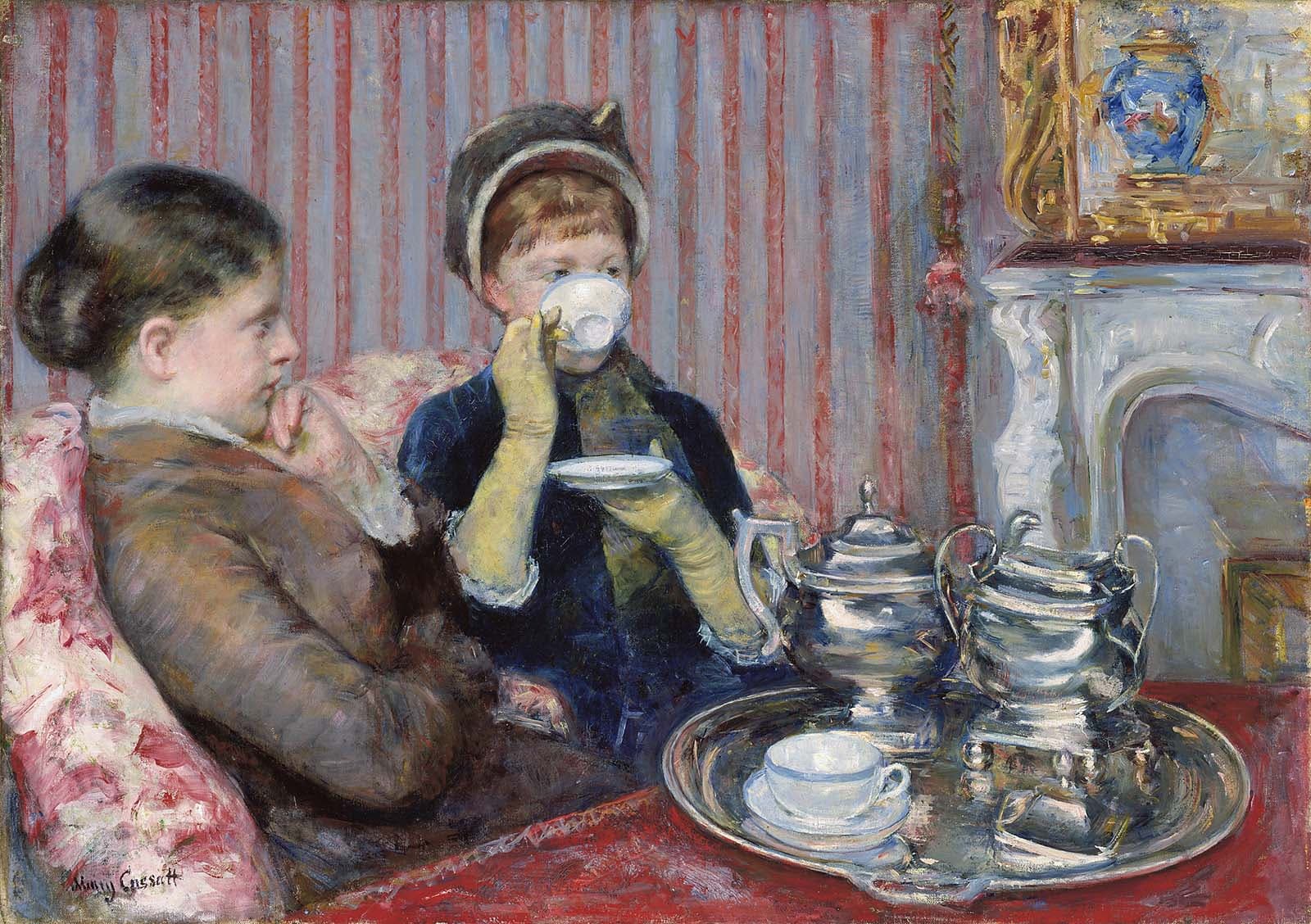
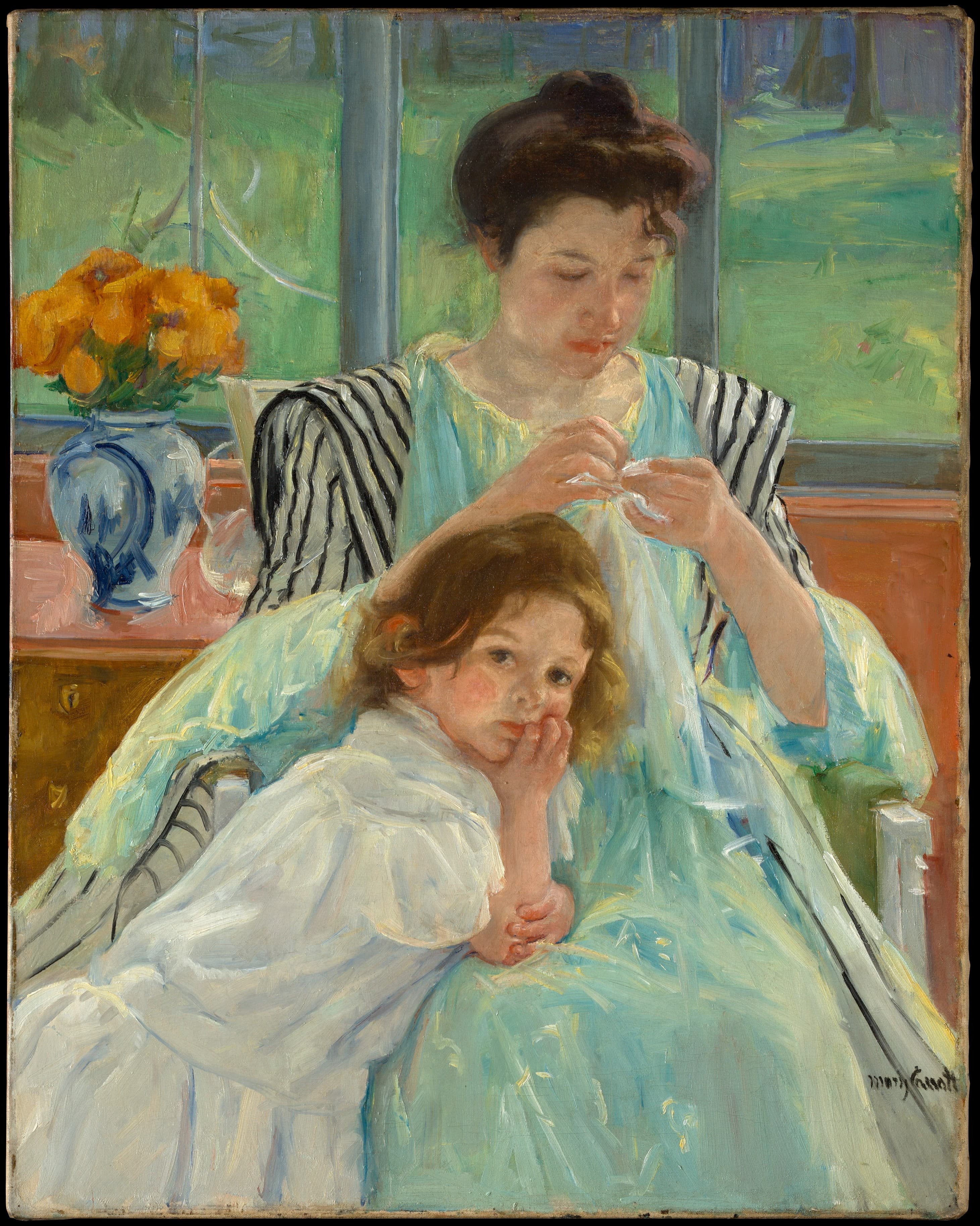
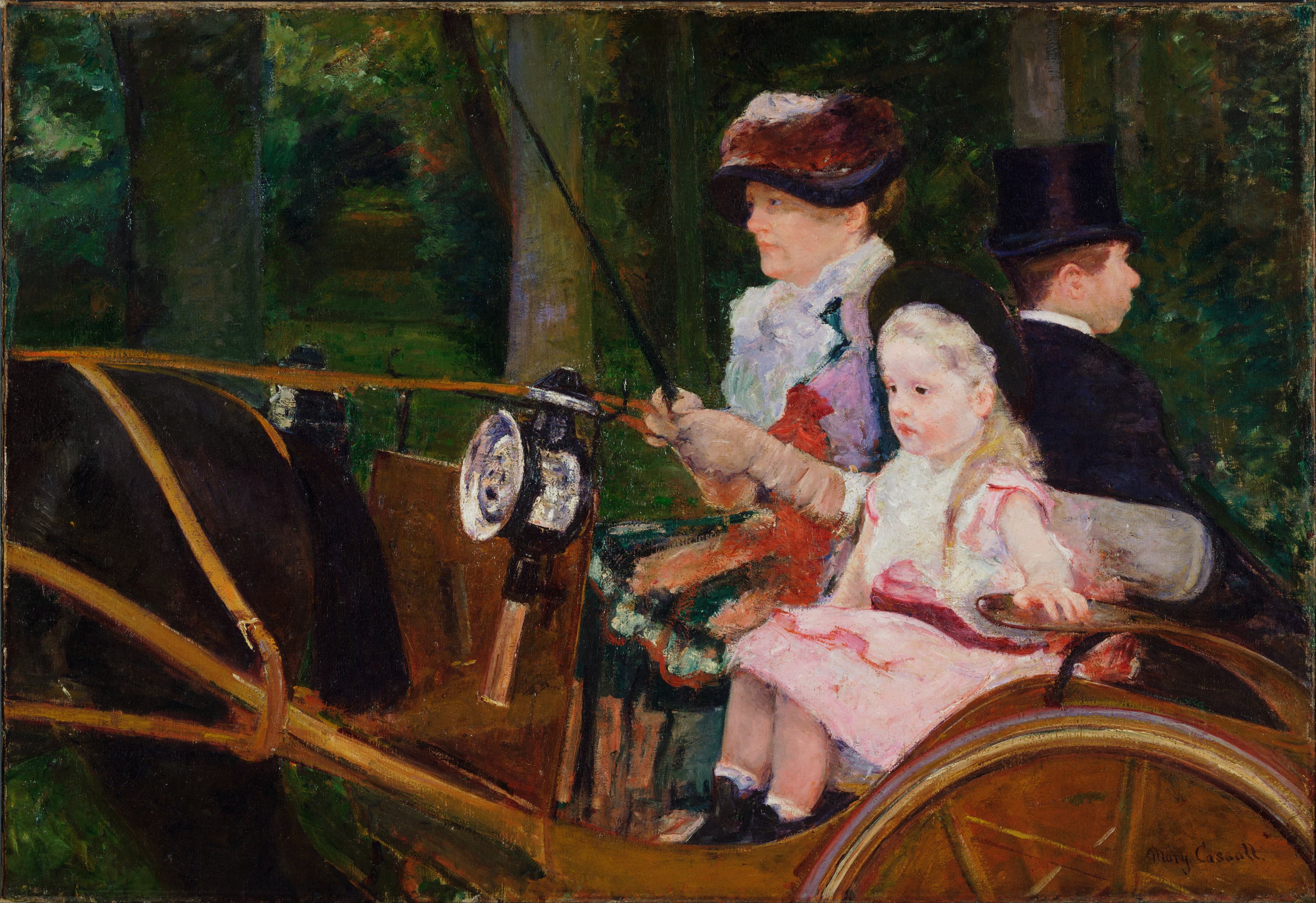
If you like Mary Cassatt
Explore painters from the same movements and circles.
Gustave Caillebotte
Painter of Haussmann's geometry and the group's organizer-financier; his bequest of Impressionist paintings forced the French state to take the movement in.
View artist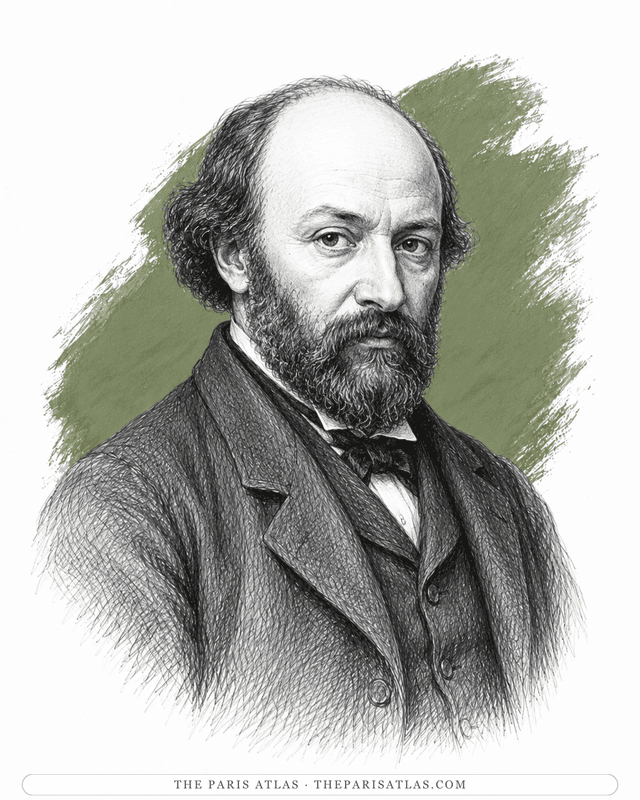
Paul Cézanne
Painter between Impressionism and everything after — shown in the independents' exhibitions, emulated by the Cubists, and present at the Orangerie through 15 works in the Walter-Guillaume collection.
View artist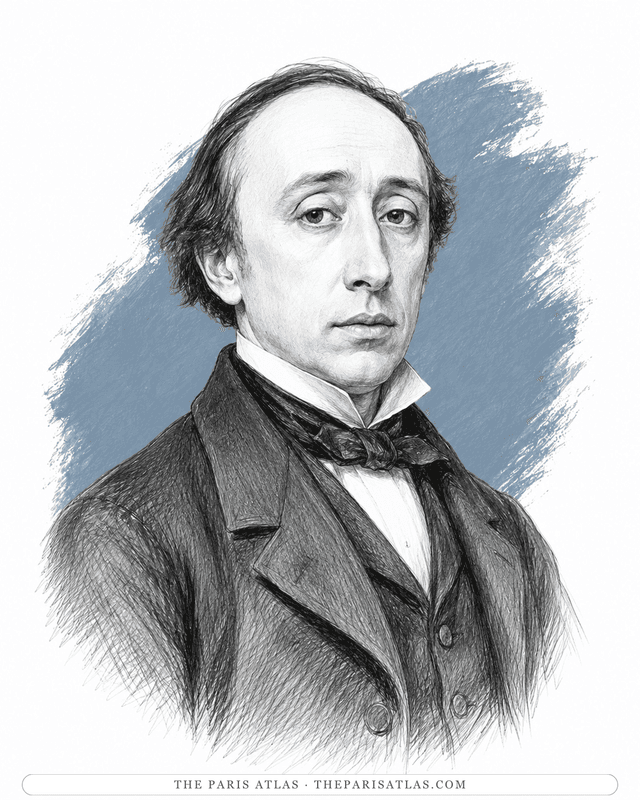
Edgar Degas
Painter of dancers, racecourses, and café interiors — among the founders of the independent exhibitions that became Impressionism, though he preferred the word 'independent' himself.
View artist
References
The sources below include collection records, catalogues, scholarly research, and primary materials that informed this page. They document Children Playing on the Beach, its making, and its place in cultural history.


1Children Playing on the Beach (Mary Cassatt, 1884) — National Gallery of Art
WebsiteNational Gallery of ArtUsed forWeb source consulted for documented facts and historical context presented on the Children Playing on the Beach page.
2Mary Stevenson Cassatt (1844–1926) — Heilbrunn Timeline of Art History
WebsiteThe Metropolitan Museum of ArtUsed forRecords that Cassatt exhibited in four of the eight Impressionist exhibitions — 1879, 1880, 1881 and 1886 — and that her earlier subjects were her family, the theater and the opera.
3Mary Cassatt Brings Girls and Women to the Museum — National Gallery of Art
WebsiteNational Gallery of Art, WashingtonUsed forWeb source consulted for documented facts and historical context presented on the Children Playing on the Beach page.
4Mary Cassatt — National Museum of Women in the Arts
WebsiteNational Museum of Women in the ArtsUsed forIndependent account of Cassatt's subjects in the 1880s, before printmaking and the mother-and-child theme took over.
These references provide the documented foundation for this work's history and interpretation. Claim-level citations remain attached to the specific claims they support.
 Explore more resources