The Tea
by Mary Cassatt
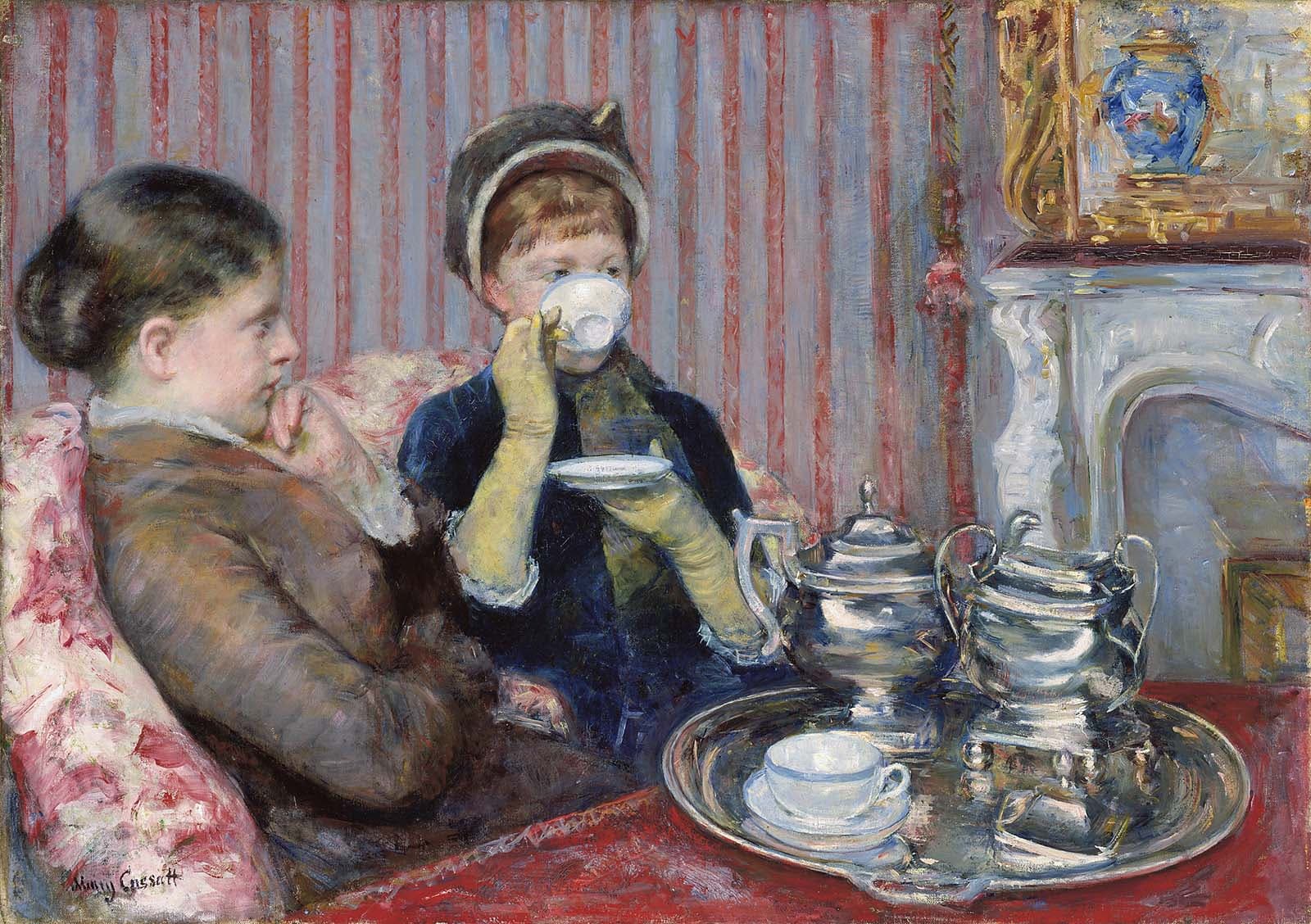
Two women sit side by side in a Paris drawing room. One rests her chin on her hand; the other lifts a teacup so high it hides her face. In front of them, on a round tray, a silver tea service takes up more of the canvas than either woman does. Mary Cassatt showed the painting at the fifth Impressionist exhibition in 1880, and it has been at the Museum of Fine Arts, Boston since 1942.
- c. 1880
- Oil on canvas
About Mary Cassatt
The teapot is bigger than the women
The hostess sits on the left in a plain brown day dress, her hand at her chin. Her guest, still in the hat, coat and gloves she arrived in, raises her cup and drinks. Behind them a carved white marble fireplace holds a blue-and-white porcelain jar and a gilt-framed picture, and the wall is papered in fine gray and rose stripes.
The Museum of Fine Arts, which owns the painting, points to two things Cassatt does that a conventional drawing-room picture would not. The silver service in the foreground reads as larger than the figures behind it, giving objects the same weight as people — a device the museum attributes to her friend Edgar Degas. And she hides her sitter's face behind a teacup, catching a passing moment rather than a pose. The guest will lower the cup in a second, and the painting does not wait for it.
The conversation appears to have stopped. Neither woman looks at the other, and neither looks out at the viewer.
The family silver
The tea service is not a prop. It belonged to the Cassatts: a set made in Philadelphia around 1813, six pieces of which are now in the Museum of Fine Arts alongside the painting, given in honor of Eugenia Cassatt Madeira. The tray in the picture is not among them.
That detail matters for reading the room. An American painter in Paris set a scene of French upper-middle-class life around a piece of her own family's Philadelphia past.
The fifth Impressionist exhibition
The painting hung in the fifth Impressionist exhibition, which ran through April 1880 at 10 rue des Pyramides, on the mezzanine of an unfinished building. Nineteen artists showed, Degas, Berthe Morisot, Camille Pissarro, Paul Gauguin and Gustave Caillebotte among them. It was Cassatt's second appearance with the group, after her debut in 1879.
Critics divided. Paul Mantz, in Le Temps on 14 April 1880, called the picture poorly drawn and complained that the sugar bowl floated in the air like a dream. Philippe Burty regretted that her images seemed only partly finished. Joris-Karl Huysmans called it an excellent canvas.
Henri Rouart, a painter and collector who exhibited with the Impressionists himself, probably bought it out of that exhibition. He hung it in a small salon at home, near a Degas pastel of women in a milliner's shop.
Who the two women are
Nobody is certain. The hostess is often identified as Cassatt's older sister Lydia, and the Smithsonian's inventory record names her outright. The Museum of Fine Arts is more careful. It says the identification is often made, but that the two women may equally be the professional models Cassatt used at the time. One was dark and one fair, and they appear together in several of her theater pictures from the same years.
The setting is described in some accounts as Cassatt's own drawing room. The museum does not confirm it.
Rouart, Kelekian, Boston
Rouart kept the painting until his death, and it sold from his estate at the Galerie Manzi-Joyant in Paris in December 1912 as lot 91. The buyer was Dikran Kelekian, a dealer working in Paris and New York, who held it for thirty years and sold it to the Museum of Fine Arts in 1942 for six thousand dollars. Its accession number is 42.178, bought with the M. Theresa B. Hopkins Fund.
Close reading
Reading the work, detail by detail
A raised cup interrupts the exchange between two seated women. Follow that small gesture, then the silver, reflections, and repeated patterns that make the room feel so densely furnished.
1.The raised cup
The cup interrupts the face at the moment of drinking. Its pale circle catches the light against the dark hat and coat, making a small, temporary gesture unusually prominent.
2.The resting chin
The bent fingers hold the head in a quiet, supported pose. Beside the lifted cup, this slower gesture gives the two figures different rhythms even though they sit close together.
3.The silver service
The vessels occupy a large area close to the viewer. Dark bands and short white strokes describe their polished surfaces, giving the tea service a weight that competes with the seated figures.
4.Reflections in the tray
The reflections loosen the outlines of objects that seem solid above them. Repeated ovals carry the eye around the tray, while interrupted highlights make its surface appear bright and unstable.
5.The striped wall
The upright stripes provide a steady measure behind the rounded hat and shoulders. Their repeated colors also echo the pink upholstery, binding the furnishings into a continuous field of pattern.
6.The marble fireplace
Blue-gray shadows turn the white marble into a sequence of curves and recesses. The fireplace gives the right side a firm structure, while its sweeping contours answer the handles and bodies of the silver vessels.
Timeline
c. 1880
Painted in Paris, with the Cassatt family's Philadelphia silver in the foreground.
1880
Shown in the fifth Impressionist exhibition at 10 rue des Pyramides, Paris, and probably bought there by the collector Henri Rouart.
1893
Lent by Rouart as number 5 to Cassatt's solo exhibition at Galerie Durand-Ruel, Paris.
1912
Sold from Rouart's estate at the Galerie Manzi-Joyant in December, lot 91, to the dealer Dikran Kelekian.
1942
Bought by the Museum of Fine Arts, Boston from Kelekian for $6,000 — accession 42.178, M. Theresa B. Hopkins Fund.
Where to see it
Museum of Fine Arts, Boston
465 Huntington Avenue, Boston, MA 02115, United States
Displays and loans can change. Check whether this work is on view before making a special trip.
Plan your visit on the museum’s official website (opens in a new tab)Frequently asked questions
Where is Mary Cassatt's The Tea?
At the Museum of Fine Arts, Boston — accession number 42.178, bought in 1942 with the M. Theresa B. Hopkins Fund. It is not currently on view.
Who are the two women in The Tea?
The museum does not settle it. The woman on the left is often identified as Cassatt's sister Lydia. The Museum of Fine Arts says the two women may equally be the models Cassatt was using at the time, one dark and one fair, who appear together in several of her theater paintings.
Is the silver tea service real?
Yes, and it was Cassatt's own family's. The set was made in Philadelphia around 1813, and six pieces of it are now in the Museum of Fine Arts, given in honor of Eugenia Cassatt Madeira. The tray in the painting is not among the surviving pieces.
Why is the woman's face hidden behind the cup?
Because Cassatt painted the moment rather than the pose. The guest is drinking, the cup covers her face, and she will lower it a second later. Refusing to give a sitter a settled expression was one of the ways her work departed from conventional portraiture.
Was The Tea in an Impressionist exhibition?
Yes — the fifth, in April 1880, at 10 rue des Pyramides in Paris. It was Cassatt's second showing with the group, and the collector Henri Rouart probably bought the painting there.
Is The Tea the same as The Cup of Tea or Lady at the Tea Table?
No. Those are two different Cassatt paintings, both at the Metropolitan Museum of Art in New York. She returned to tea-drinking repeatedly, in oil and in print, and the titles are easy to confuse.
More by Mary Cassatt
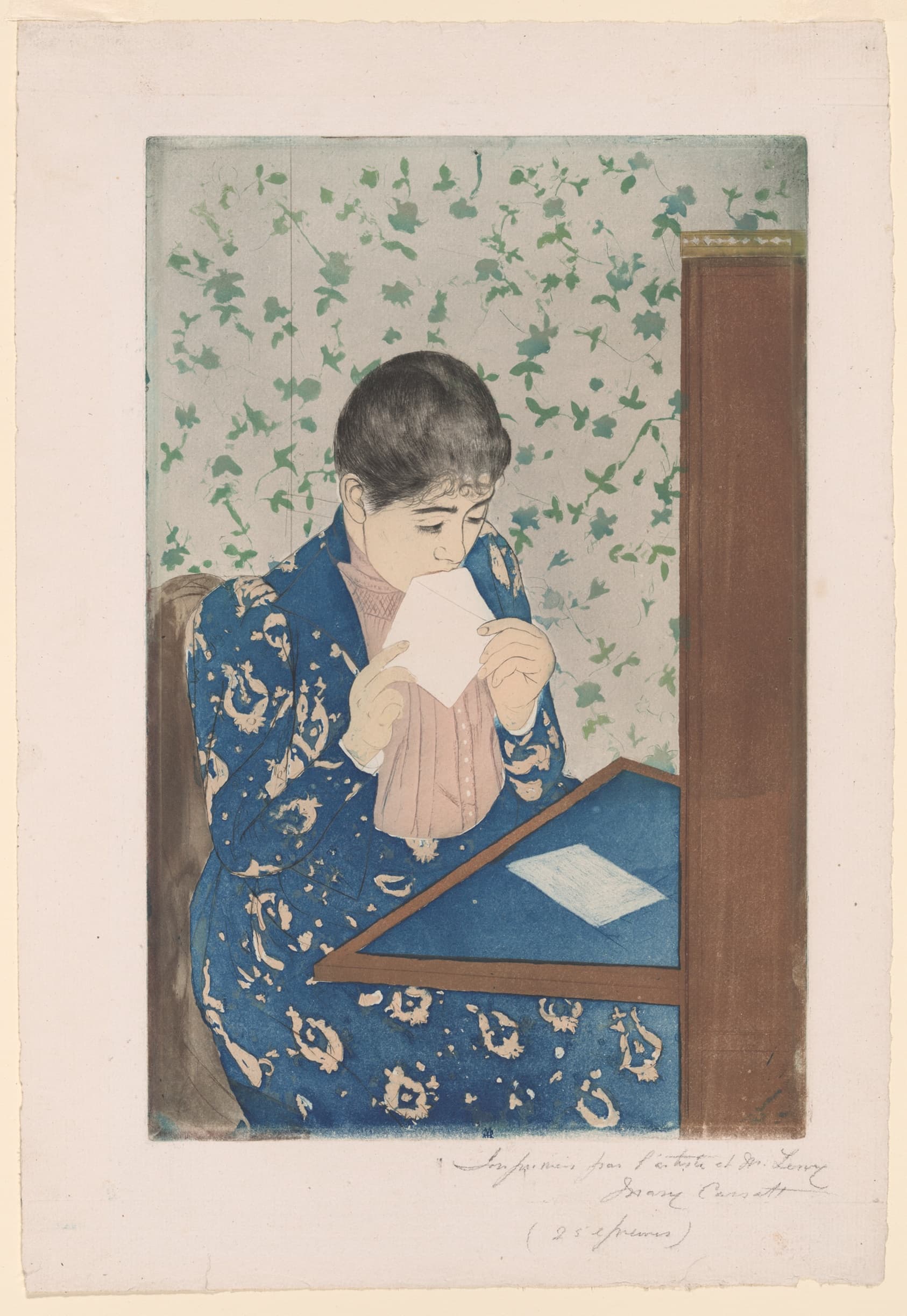
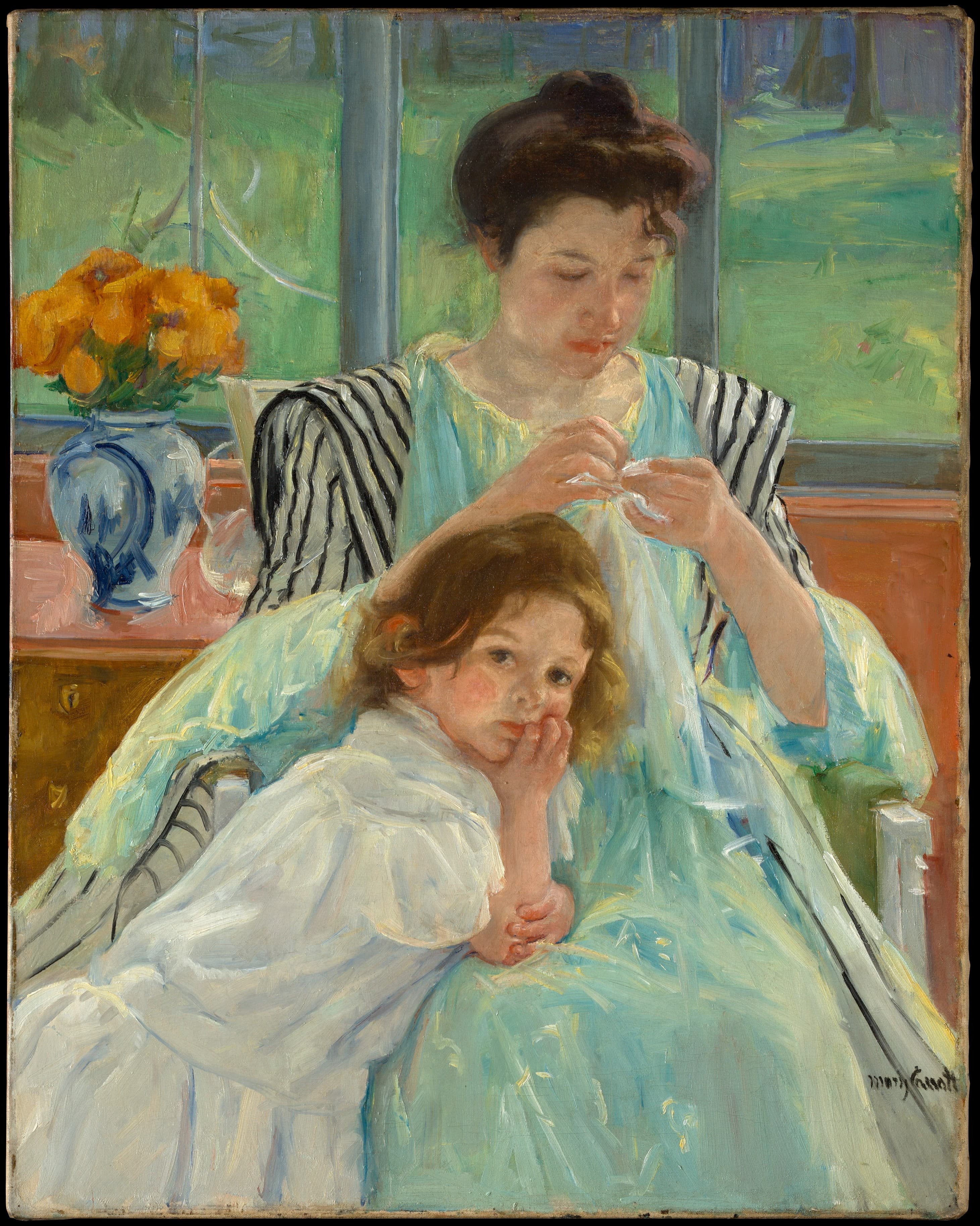
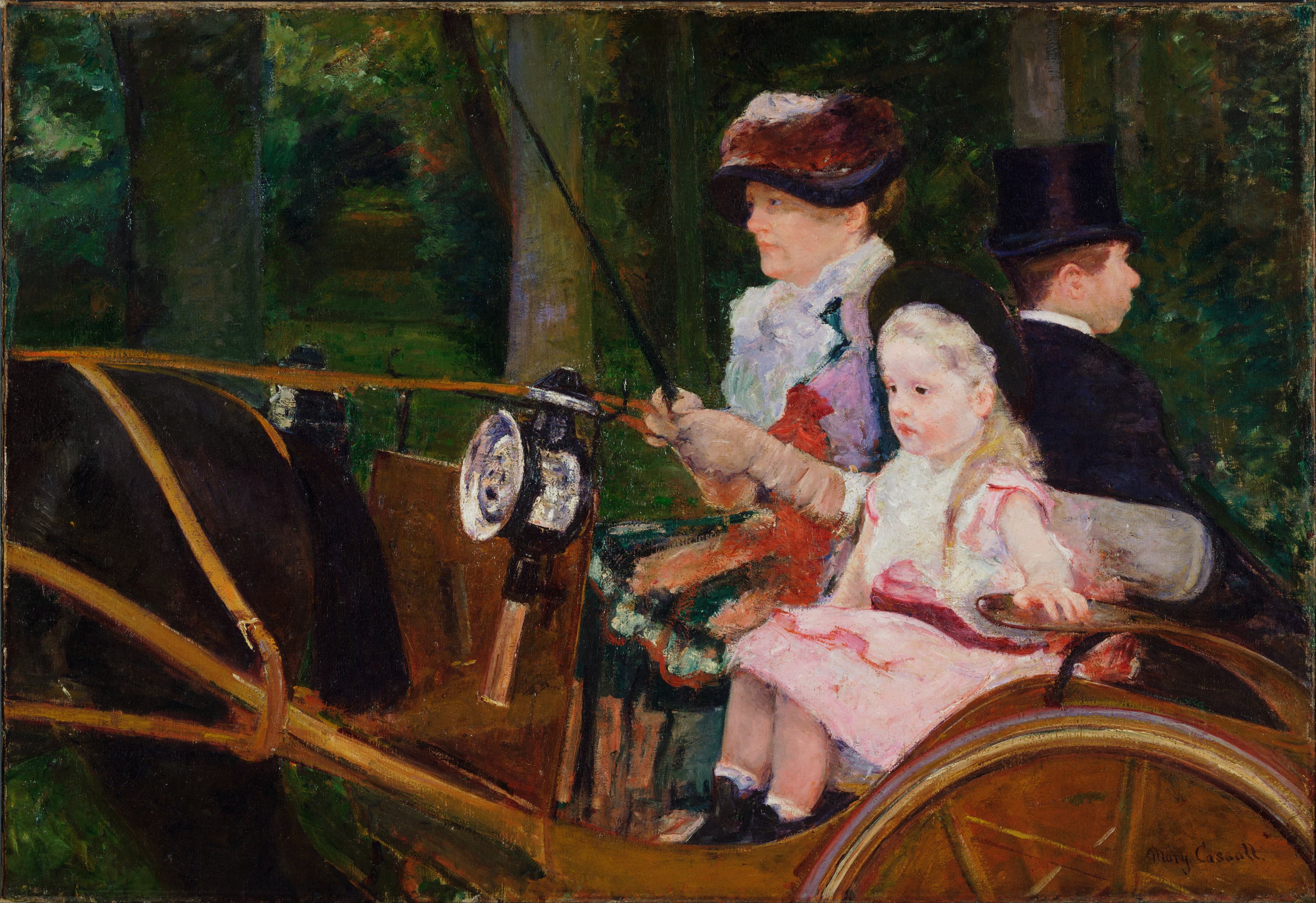
If you like Mary Cassatt
Explore painters from the same movements and circles.
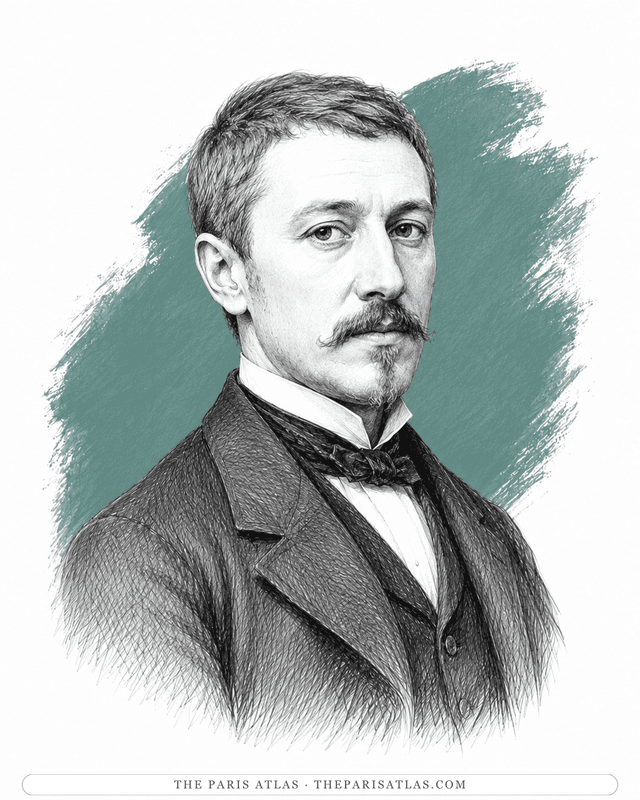
Gustave Caillebotte
Painter of Haussmann's geometry and the group's organizer-financier; his bequest of Impressionist paintings forced the French state to take the movement in.
View artist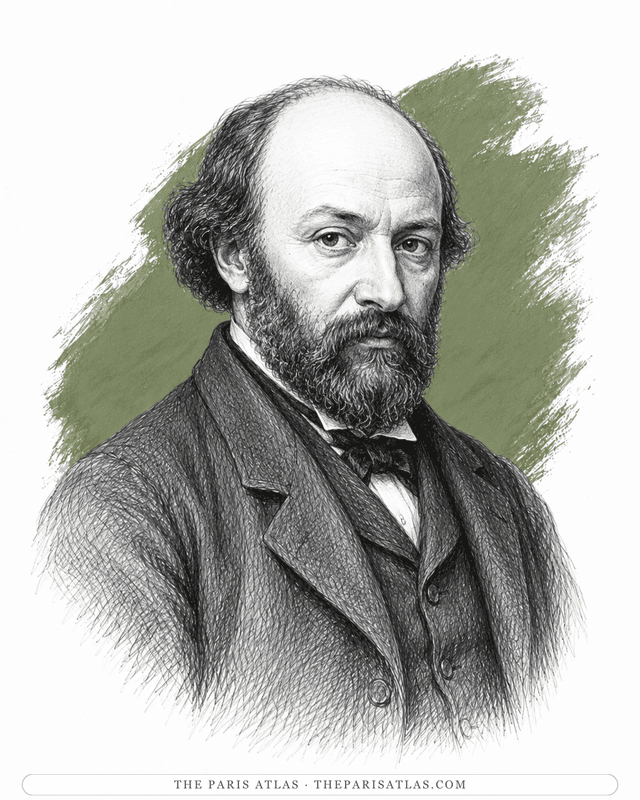
Paul Cézanne
Painter between Impressionism and everything after — shown in the independents' exhibitions, emulated by the Cubists, and present at the Orangerie through 15 works in the Walter-Guillaume collection.
View artist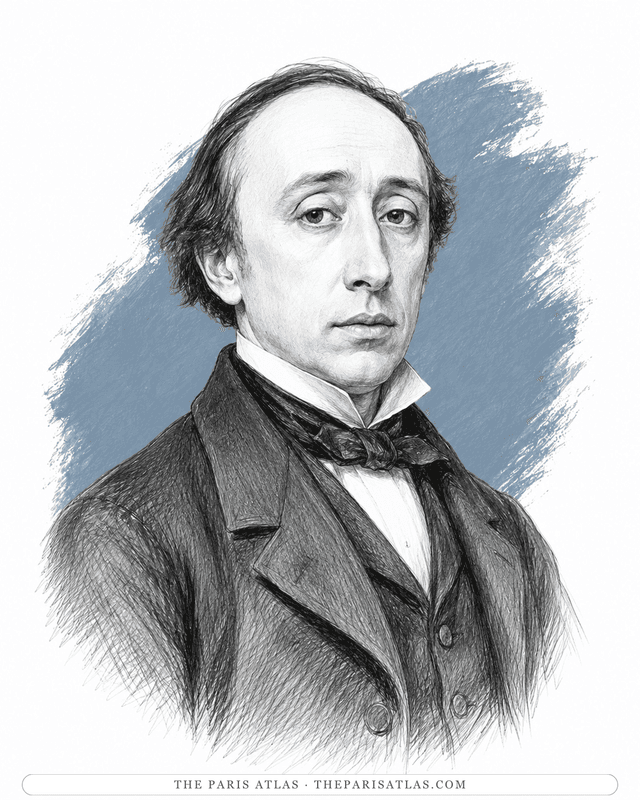
Edgar Degas
Painter of dancers, racecourses, and café interiors — among the founders of the independent exhibitions that became Impressionism, though he preferred the word 'independent' himself.
View artist
References
The sources below include collection records, catalogues, scholarly research, and primary materials that informed this page. They document The Tea, its making, and its place in cultural history.


1The Tea (Mary Cassatt, about 1880) — Museum of Fine Arts, Boston
WebsiteMuseum of Fine Arts, BostonUsed forWeb source consulted for documented facts and historical context presented on the The Tea page.
21880 — Cinquième exposition impressionniste
WebsiteMinistère de la CultureUsed forThe French culture ministry's record of the fifth Impressionist exhibition supplies its dates, address and list of exhibitors.

3The Tea (Mary Cassatt) — Inventories of American Painting and Sculpture
ArchiveSmithsonian American Art MuseumUsed forThe Smithsonian's inventory record identifies the woman on the left as Lydia Cassatt, an identification the Museum of Fine Arts treats as uncertain.
4Mary Stevenson Cassatt (1844–1926) — Heilbrunn Timeline of Art History
WebsiteThe Metropolitan Museum of ArtUsed forWeb source consulted for documented facts and historical context presented on the The Tea page.
These references provide the documented foundation for this work's history and interpretation. Claim-level citations remain attached to the specific claims they support.
 Explore more resources