In the Loge
by Mary Cassatt
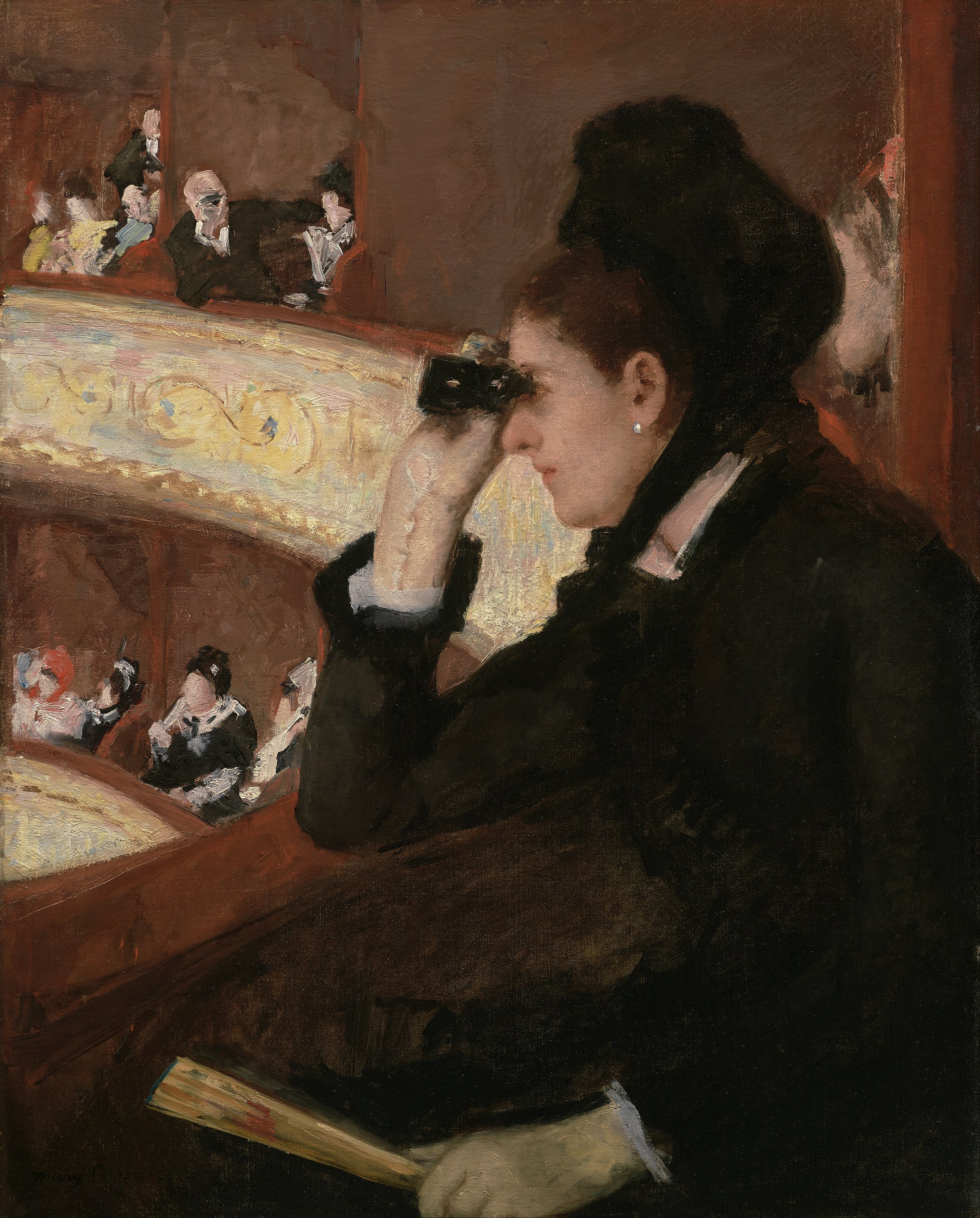
A woman in black leans forward in a theater box and looks through her opera glasses at the seats across from her. In the distance behind her, a man leans over the edge of his own box and trains his glasses on her. Mary Cassatt painted it in 1878, and it was the first of her Impressionist pictures shown in the United States.
- 1878
- Oil on canvas
About Mary Cassatt

Everyone is looking at someone
The woman is dressed for an afternoon performance and is not looking at the stage. She is looking across the auditorium, through opera glasses, at other members of the audience — which was much of the point of going to the theater in Paris. Behind her and to the upper left, a man has folded himself over the rail of a far box to look at her through his own glasses.
The Museum of Fine Arts, Boston, which owns the painting, sets that arrangement against the way male painters had handled the same subject. Pierre-Auguste Renoir and Edgar Degas had both painted beautiful women in theater boxes, where the women appear on display, framed as if for viewing. Cassatt gave the woman she painted the active role instead. She watches the audience, the man watches her, and the viewer watches both of them.
The art historian Griselda Pollock made the same observation in stronger terms in Vision and Difference, published in 1988. Because the woman's eyes are hidden behind the opera glasses, Pollock argued, she cannot be turned into an object for the viewer to inspect. She is the subject of her own look instead.
Which theater
The title Cassatt used in 1878 was At the Français, a Sketch. The Français was the everyday name for the Comédie-Française, the French state theater company, and the Museum of Fine Arts identifies that as the setting. Later writing on the painting sometimes places the scene at the opera instead. Cassatt named the theater herself, which makes her title the better evidence.
Boston, September 1878
Cassatt had joined the group of independent artists now known as the Impressionists in 1877, when Degas invited her to exhibit with them, and she was the only American ever to do so. The following September this canvas went on view in Boston, at the thirteenth exhibition of the Department of Fine Arts of the Massachusetts Charitable Mechanics Association. It was number 234 in the catalogue, listed as At the Francais, a Sketch, and it was the first of her Impressionist paintings to be seen in the United States.
The Boston Daily Evening Transcript reviewed it on 3 September 1878, calling the picture striking and saying that Cassatt's painting surpassed the strength of most men.
Thirty years back and forth
The painting took a long route to a museum wall. Cassatt consigned it in June 1878 to the Philadelphia dealer H. Teubner, who returned it to her that November. Until at least 1881 it was probably with her brother J. Gardner Cassatt in Pittsburgh. She sold it in Paris around the turn of 1892–93 to the firm of Martin, Camentron and Co., which sold it on to Durand-Ruel by 1894. Between 1895 and 1909 Durand-Ruel lent it to American exhibitions under the title Dans la Loge.
The Boston dealer Frank W. Bayley of the Copley Gallery bought it from Durand-Ruel around 1909–10 and sold it to the Museum of Fine Arts. The museum took it into the collection on 17 February 1910, paying for it with the Charles Henry Hayden Fund, and catalogued it as accession number 10.35.
Close reading
Reading the work, detail by detail
The theater is a place for looking and being looked at. Cassatt organizes that exchange through opera glasses, distant spectators, and the bright curve of the balcony.
1.The opera glasses
The glasses extend the direction of her gaze beyond the picture. Her lifted forearm makes looking an active, deliberate gesture.
2.The lit profile
The pale face remains clear within a large mass of black. Its focused expression gives the composition a center of attention even though the object she watches stays out of view.
3.The watcher opposite
His small but legible gesture introduces another line of sight. The woman can study the performance while also becoming a spectacle for someone else.
4.The gilded balcony
The luminous band separates the dark foreground figure from the far boxes. Its curve also carries the eye across the theater, linking otherwise isolated spectators.
5.The lower audience
Faces and clothing are reduced to a few strokes at this distance. The contrast in finish reinforces the foreground woman's closeness and individual presence.
6.The resting fan
The fan supplies a quieter gesture beneath the raised opera glasses. Its pale diagonal breaks into the dark dress and gives the lower composition a point of light.
Timeline
1877
Edgar Degas invites Cassatt to exhibit with the independent group in Paris.
1878
Painted in Paris; consigned in June to the dealer H. Teubner in Philadelphia.
1878
Shown in Boston in September at the Massachusetts Charitable Mechanics Association exhibition as number 234 — the first Cassatt Impressionist painting exhibited in the United States. The Daily Evening Transcript calls it striking on 3 September.
1892–93
Sold by Cassatt in Paris to Martin, Camentron and Co.
1895–1909
Lent by Durand-Ruel to exhibitions in the United States as Dans la Loge.
1910
Bought by the Museum of Fine Arts, Boston from the dealer Frank W. Bayley with the Charles Henry Hayden Fund; accessioned 17 February as 10.35.
Where to see it
Museum of Fine Arts, Boston
465 Huntington Avenue, Boston, MA 02115, United States
Displays and loans can change. Check whether this work is on view before making a special trip.
Plan your visit on the museum’s official website (opens in a new tab)Frequently asked questions
Where is In the Loge?
At the Museum of Fine Arts, Boston — accession number 10.35, bought in 1910 with the Charles Henry Hayden Fund. It is not currently on view.
What is happening in In the Loge?
A woman in a theater box is watching other members of the audience through opera glasses, and a man in a distant box is watching her through his. Paris audiences went to the theater partly to look at each other, and Cassatt made that the subject.
Which theater is In the Loge set in?
The Comédie-Française, according to the Museum of Fine Arts. Cassatt's own 1878 title for the painting was At the Français, a Sketch, which supports that identification, though later writing sometimes places the scene at the opera.
Who is the woman in In the Loge?
The Museum of Fine Arts names no sitter. Some writing on the painting, including the Smarthistory essay on it, identifies her as the artist's sister Lydia Cassatt, who modeled for several of her theater pictures.
Is In the Loge the same as Woman with a Pearl Necklace in a Loge?
No. Woman with a Pearl Necklace in a Loge is a different Cassatt theater picture of 1879, now at the Philadelphia Museum of Art, showing a woman in a pale dress against a mirrored wall. In the Loge is the 1878 painting in Boston, of a woman in black with opera glasses.
What did critics say about In the Loge?
The Boston Daily Evening Transcript reviewed it on 3 September 1878, describing the picture as striking and saying that Cassatt's painting surpassed the strength of most men.
More by Mary Cassatt
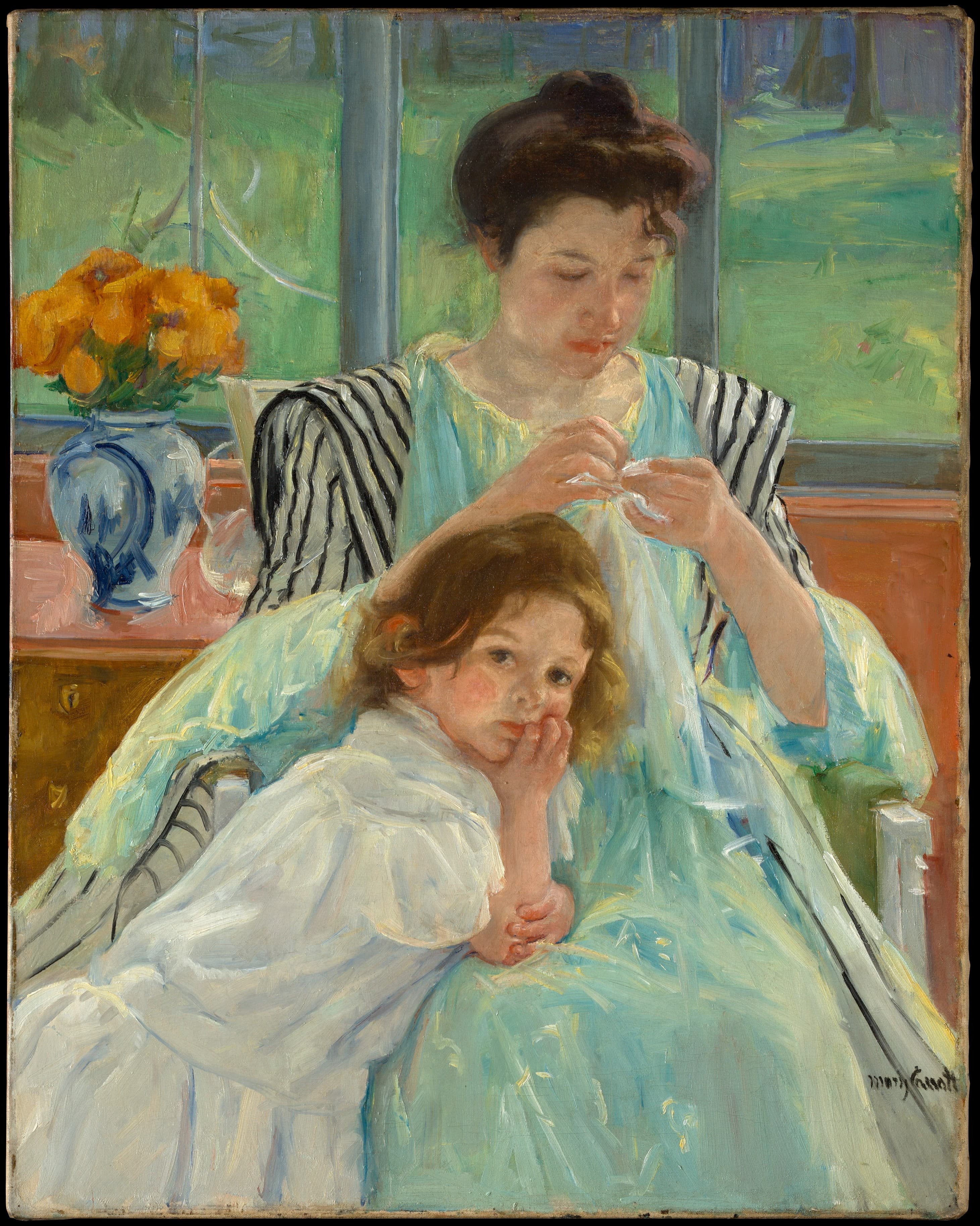
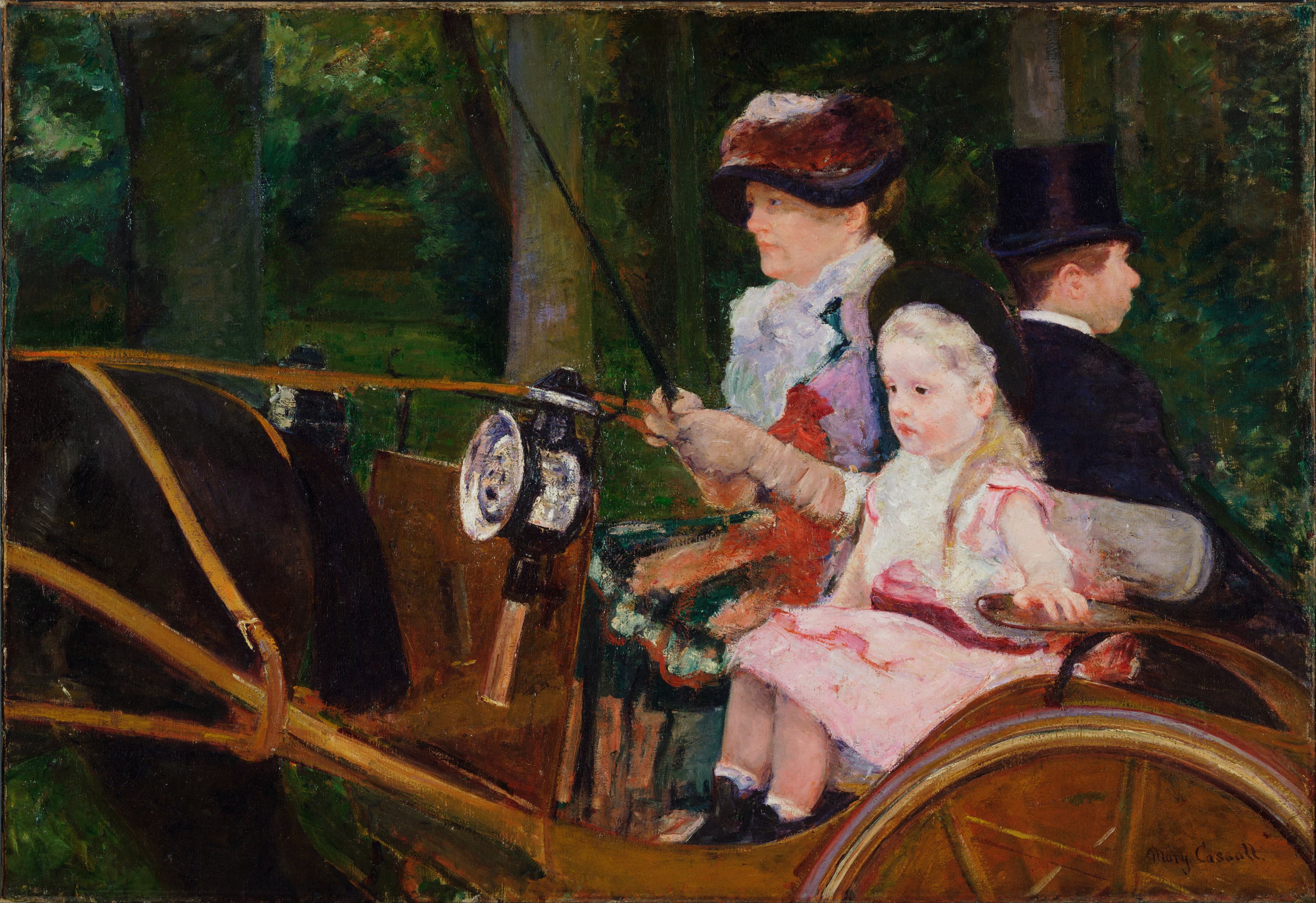
If you like Mary Cassatt
Explore painters from the same movements and circles.
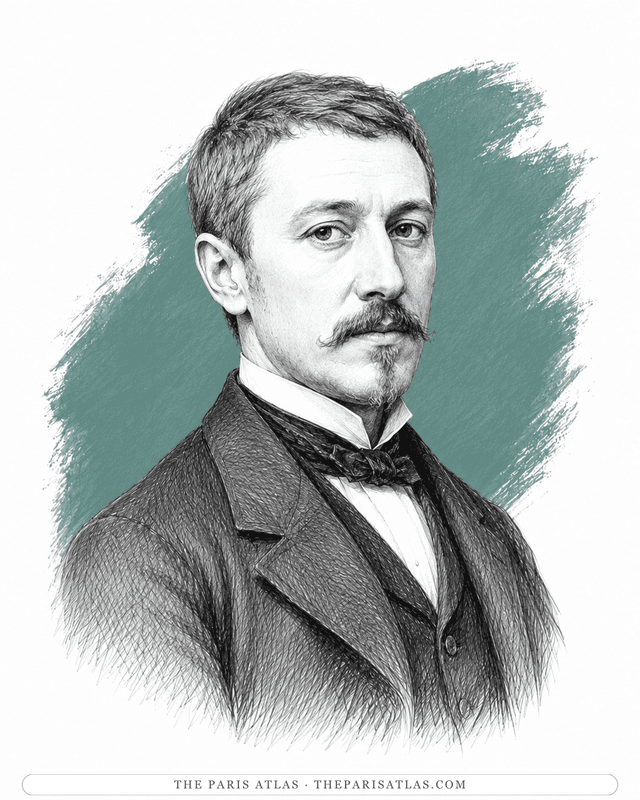
Gustave Caillebotte
Painter of Haussmann's geometry and the group's organizer-financier; his bequest of Impressionist paintings forced the French state to take the movement in.
View artist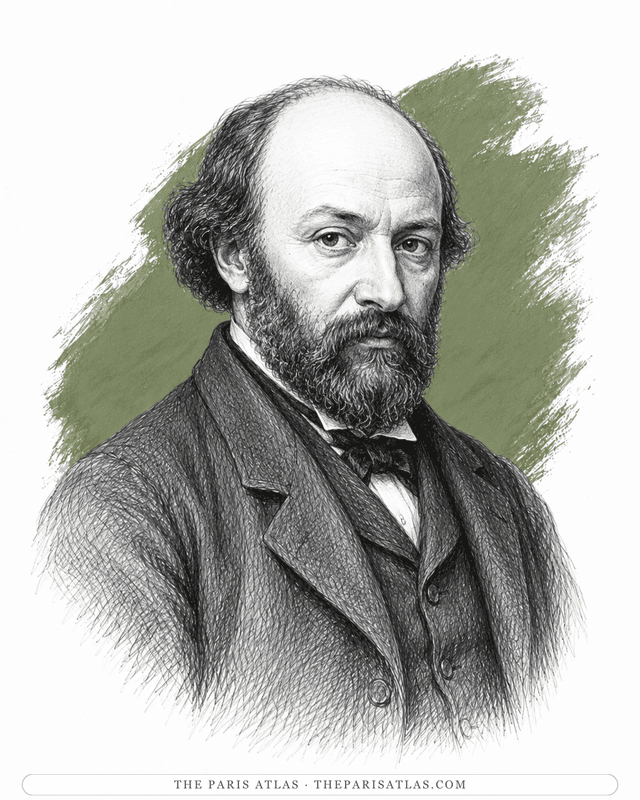
Paul Cézanne
Painter between Impressionism and everything after — shown in the independents' exhibitions, emulated by the Cubists, and present at the Orangerie through 15 works in the Walter-Guillaume collection.
View artist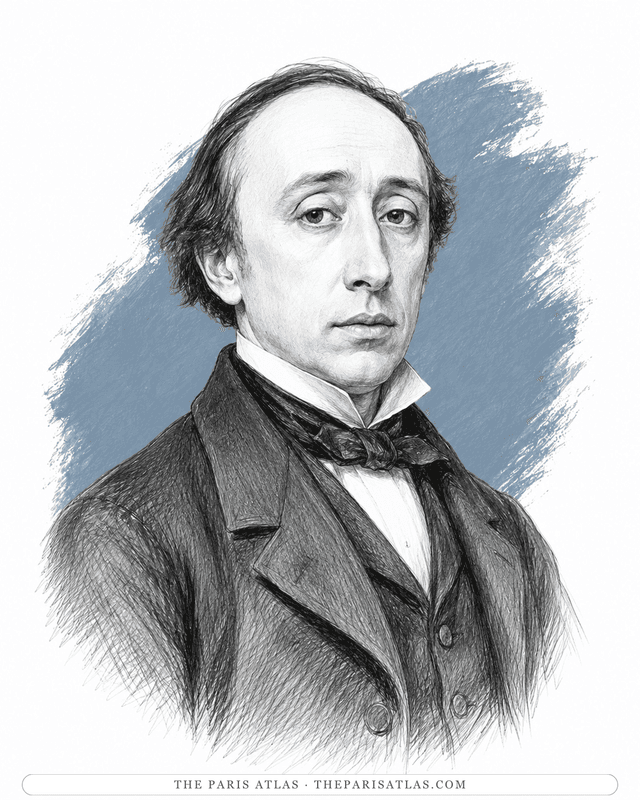
Edgar Degas
Painter of dancers, racecourses, and café interiors — among the founders of the independent exhibitions that became Impressionism, though he preferred the word 'independent' himself.
View artist
References
The sources below include collection records, catalogues, scholarly research, and primary materials that informed this page. They document In the Loge, its making, and its place in cultural history.


1In the Loge (Mary Cassatt, 1878) — Museum of Fine Arts, Boston
WebsiteMuseum of Fine Arts, BostonUsed forWeb source consulted for documented facts and historical context presented on the In the Loge page.
2Mary Stevenson Cassatt (1844–1926) — Heilbrunn Timeline of Art History
WebsiteThe Metropolitan Museum of ArtUsed forWeb source consulted for documented facts and historical context presented on the In the Loge page.

3Degas/Cassatt exhibition brochure — National Gallery of Art
Exhibition catalogueNational Gallery of Art, 2014Used forDocuments Degas's 1877 invitation and the friendship that followed.
4Mary Cassatt — National Museum of Women in the Arts
WebsiteNational Museum of Women in the ArtsUsed forIndependent account of Cassatt's Paris career in the years around the painting.
These references provide the documented foundation for this work's history and interpretation. Claim-level citations remain attached to the specific claims they support.
 Explore more resources