Summertime
by Mary Cassatt
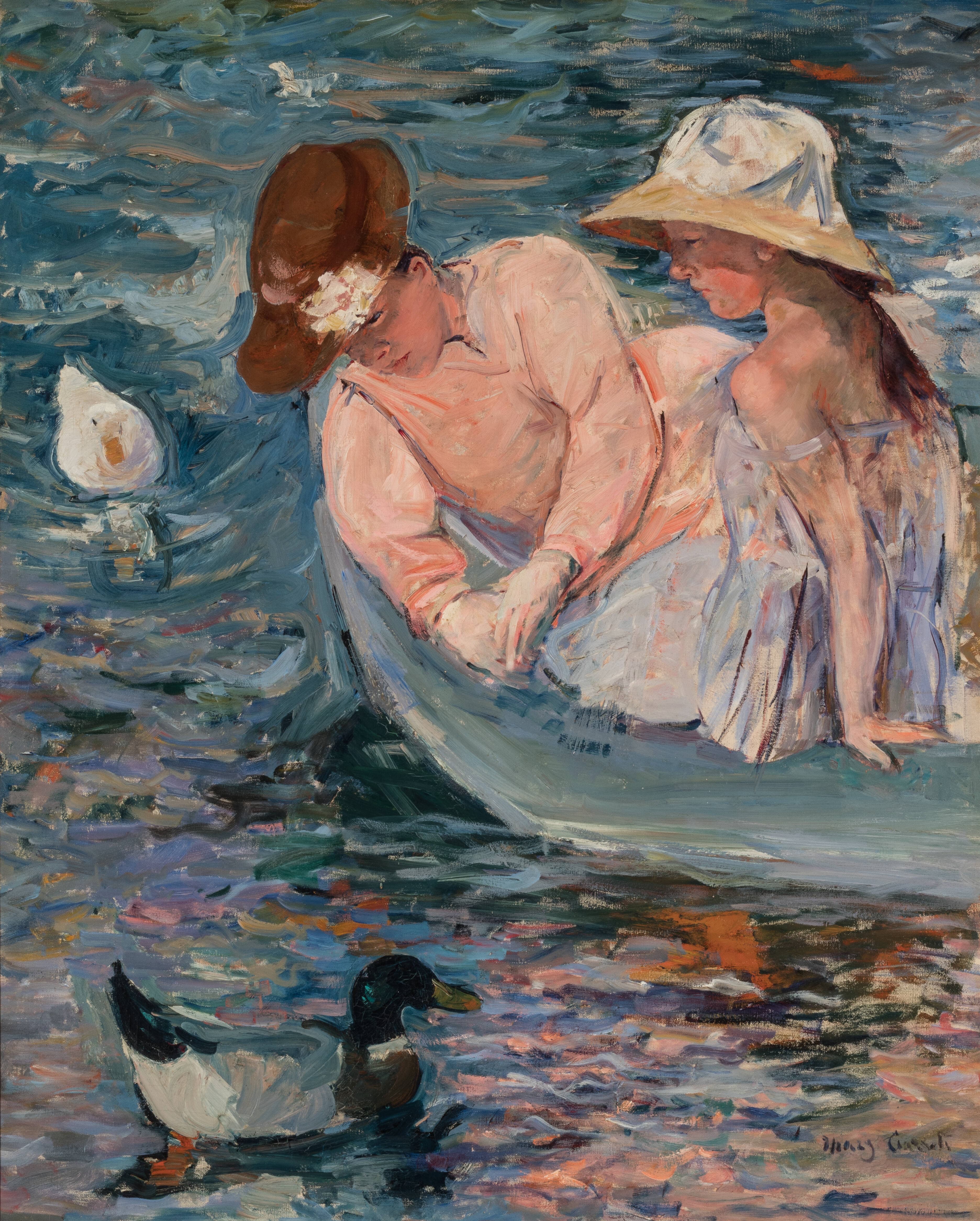
A woman and a girl lean over the side of a small boat to watch two ducks on the water. There is no horizon and no shore — the pond fills the whole canvas, tipped up toward the viewer, and the boat is cut off at the right edge. Mary Cassatt painted it in 1894 on the pond of the country house she had bought that March, and it is at the Terra Foundation for American Art in Chicago.
- 1894
- Oil on canvas
About Mary Cassatt
No horizon, no shore
Cassatt removed almost everything that would normally orient a viewer. The Terra Foundation, which owns the painting, describes the compressed vertical format, the close-up focus and the dramatically tipped-up perspective that eliminates the horizon and crops the boat on the right. What is left is water, two figures and two ducks.
The two are dressed very differently. The woman wears a long-sleeved frock, a large hat and white gloves — overdressed for the weather. The girl wears a light sundress with the strap slipping off her shoulder as she twists to look down, her face shaded by a practical sun-hat.
The water is where the painting loosens. Long strokes of green and red, orange and blue sit side by side to make the rippling surface and the broken reflections, against tightly modeled faces. The Terra calls it one of the most freely brushed canvases of Cassatt's career.
The pond she had just bought
Cassatt had spent years renting summer houses. In March 1894 she bought one: the Château de Beaufresne at Le Mesnil-Théribus, about eighty kilometers northwest of Paris, in the Oise. The purchase deed lists a park, a meadow with a spring, a pond, a beech wood, a mill and a walled kitchen garden. A stream called the Ru du Mesnil feeds the water through ten hectares of grounds, and there was a resident flock of ducks.
The pond gave her a subject she worked through the summers of 1894 and 1895, in oil and in print — figures in boats watching or feeding the ducks. This is the largest and loosest of them. The Terra also holds the color print Feeding the Ducks, where a child in a rowboat, flanked by two women, throws crumbs to the birds.
Back to painting
The Terra Foundation calls the picture a turning point. Since 1890 Cassatt had done very little easel painting: her attention had gone into the set of ten color prints and then into an enormous mural, Modern Woman, for the Woman's Building at the 1893 World's Columbian Exposition in Chicago. That mural was stored after the fair and has been lost since.
At Beaufresne she worked outdoors again and came back to the canvas. The flattened space, the equal weight given to water and figures, and the subject of women's leisure all carry over from the Japanese prints she had studied in 1890. The difference is that here they are worked in oil paint, at speed, in front of the pond itself.
There are two paintings called Summertime
A second canvas of the same title, dated about 1894, is at the Hammer Museum in Los Angeles. It shows the same woman and girl from further back, with more of the rowboat and a strip of shore, and it is horizontal rather than upright — 73.7 by 96.5 centimeters against this one's 100.6 by 81.3.
The Terra notes that the Hammer picture's surface reflects a less spontaneous application of paint, and that scholars have taken this to mean the Terra canvas came first.
Vollard to Chicago
Ambroise Vollard bought the painting from Cassatt in 1906. It passed into a private collection in Paris, where it stayed until 1940, then to Brigadier General M. C. Troper and down through his family until 1985. The Coe Kerr Gallery in New York sold it that year to Daniel J. Terra, and it entered the Terra Foundation for American Art in 1988 as accession 1988.25.
Close reading
Reading the work, detail by detail
A small boat brings two figures close to the ducks on a restless surface of water. Follow their downward attention, the boat's curved edge, and the colored strokes that break every reflection apart.
1.The woman's downward glance
The hat brim slopes with the lowered head, directing attention toward the water beside the boat. Broad pink strokes give the sleeve and shoulder a soft fullness against the cooler, broken marks surrounding them.
2.The girl's sunlit hat
The hat makes a wide patch of light above the shaded face. Its sloping brim carries the eye toward the other figure, linking their separate profiles through a shared downward direction.
3.Hands along the boat's edge
The hands establish the figures' contact with the boat at its outer edge. Beneath them, a long band of paint gives the hull a continuous curve amid the short, scattered marks of the water.
4.The foreground duck
The dark head and light body make the nearest duck easy to pick out. Its clearer outline gives a sense of distance to the looser marks behind it, while its reflection breaks into the surrounding ripples.
5.The pale duck beside the boat
The duck's compact white body makes a bright interruption in the blue-green water. Curved strokes gather around it, echoing the larger turn of the boat's bow nearby.
6.Color broken by ripples
Warm marks carry colors from the figures into the surrounding water. Their short, uneven lengths keep the reflection from settling into a second solid image, making the surface appear continually in motion.
Timeline
1894
Cassatt buys the Château de Beaufresne at Le Mesnil-Théribus in March, her first house, with a pond and a flock of ducks.
1894
Paints Summertime outdoors on the pond, returning to oil after four years of printmaking and mural work.
1906
Bought from the artist by the dealer Ambroise Vollard.
1940
Acquired by Brigadier General M. C. Troper in Paris, and kept in his family until 1985.
1985
Sold by the Coe Kerr Gallery, New York, to the collector Daniel J. Terra.
1988
Enters the Terra Foundation for American Art — accession 1988.25.
1998–99
Number 76 in Mary Cassatt: Modern Woman, shown in Chicago, Boston and Washington.
Where to see it
Terra Foundation for American Art, Chicago
A public viewing address has not yet been confirmed for this holding.
Frequently asked questions
Where is Mary Cassatt's Summertime?
At the Terra Foundation for American Art in Chicago — accession number 1988.25, from the Daniel J. Terra Collection.
Where was Summertime painted?
On the pond at the Château de Beaufresne, the country house at Le Mesnil-Théribus in the Oise that Cassatt bought in March 1894. It was the first house she owned, and its pond and ducks gave her the subject for a small group of paintings and prints across two summers.
Are the figures feeding the ducks?
No — they are watching them. The Terra Foundation describes the woman and girl looking down at two swimming ducks. The feeding scene belongs to a related color print, Feeding the Ducks, which the Terra also holds.
Why are there two paintings called Summertime?
Cassatt painted the subject twice. The second version, dated about 1894, is at the Hammer Museum in Los Angeles: the same pair seen from further away, with more of the boat and a piece of shore, on a horizontal canvas. Scholars generally think the Terra version came first.
Why is there no horizon in the painting?
Because Cassatt tipped the water up toward the viewer and cropped the boat, so the pond fills the canvas. The device comes from the Japanese prints she had studied since 1890, and it presses the whole scene onto the surface rather than opening a view into distance.
What had Cassatt been working on before this?
Printmaking and a mural. Between 1890 and 1893 she made her suite of ten color prints and painted Modern Woman, an enormous mural for the Woman's Building at the 1893 World's Columbian Exposition in Chicago. The mural was lost after the fair, and Summertime marks her return to easel painting.
More by Mary Cassatt
If you like Mary Cassatt
Explore painters from the same movements and circles.
Gustave Caillebotte
Painter of Haussmann's geometry and the group's organizer-financier; his bequest of Impressionist paintings forced the French state to take the movement in.
View artist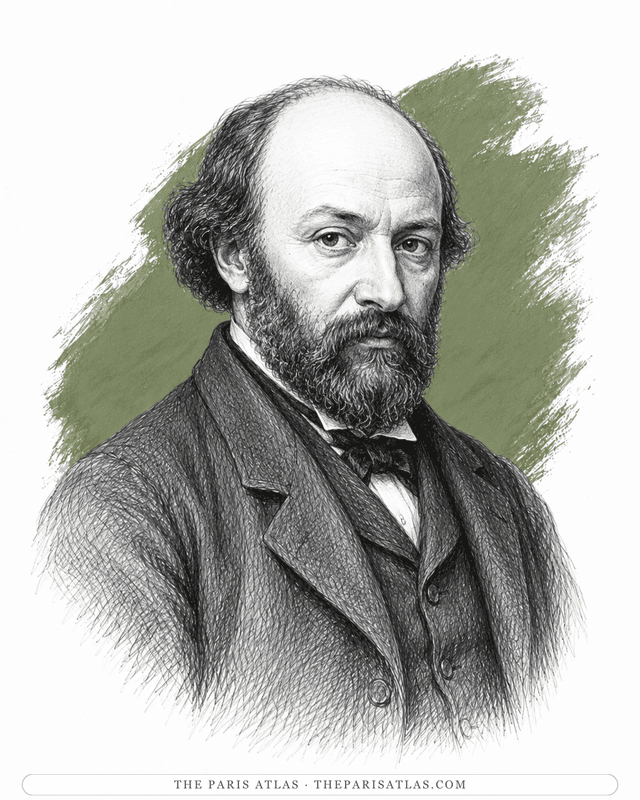
Paul Cézanne
Painter between Impressionism and everything after — shown in the independents' exhibitions, emulated by the Cubists, and present at the Orangerie through 15 works in the Walter-Guillaume collection.
View artist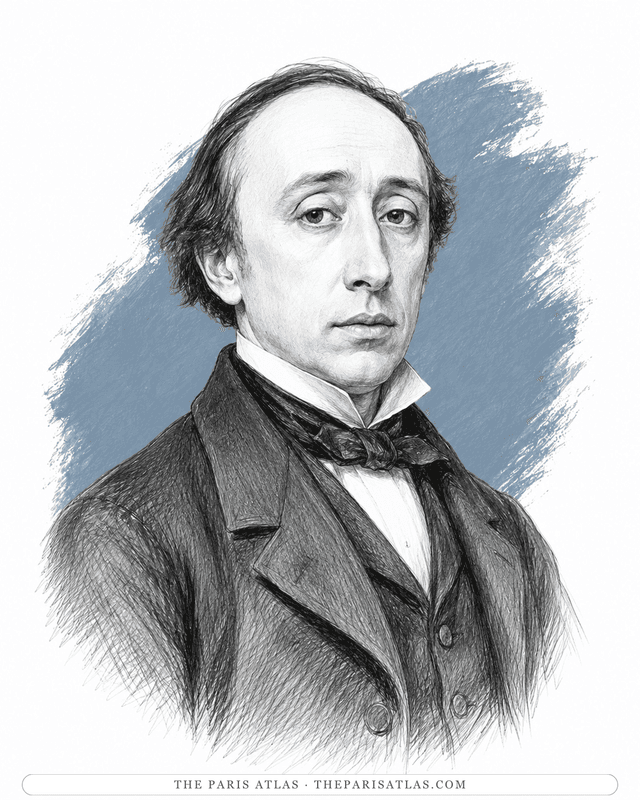
Edgar Degas
Painter of dancers, racecourses, and café interiors — among the founders of the independent exhibitions that became Impressionism, though he preferred the word 'independent' himself.
View artist
References
The sources below include collection records, catalogues, scholarly research, and primary materials that informed this page. They document Summertime, its making, and its place in cultural history.


1Summertime (Mary Cassatt, 1894) — Terra Foundation for American Art
WebsiteTerra Foundation for American ArtUsed forWeb source consulted for documented facts and historical context presented on the Summertime page.
2Le château de Beaufresne — Les Amis de Mary Cassatt, Mesnil-Théribus
WebsiteLes Amis de Mary CassattUsed forThe association based at the house quotes the March 1894 purchase deed and describes the park, the pond and the stream that feeds it.
3Feeding the Ducks (Mary Cassatt, c. 1895) — Terra Foundation for American Art
WebsiteTerra Foundation for American ArtUsed forThe Terra's record for the related print connects the Beaufresne pond to this painting.
4Mary Stevenson Cassatt (1844–1926) — Heilbrunn Timeline of Art History
WebsiteThe Metropolitan Museum of ArtUsed forWeb source consulted for documented facts and historical context presented on the Summertime page.
These references provide the documented foundation for this work's history and interpretation. Claim-level citations remain attached to the specific claims they support.
 Explore more resources