Papa Blaire
A smallholder from La Brie, the dirtiest man in the trench, who files aluminium rings for his wife and is transformed by a set of false teeth.
A working set of teeth, and after that, to look like a man his wife would want to see.
The book

At a glance
- Private in Corporal Bertrand's squad, later a company cook
- Smallholder in La Brie
- Papa Blaire, on account of his age
- A wife, and children he mentions when the subject of killing comes up
- Rings filed from aluminium and copper, sent home
- That they would like to steal the very skin off us
Who they are in the book
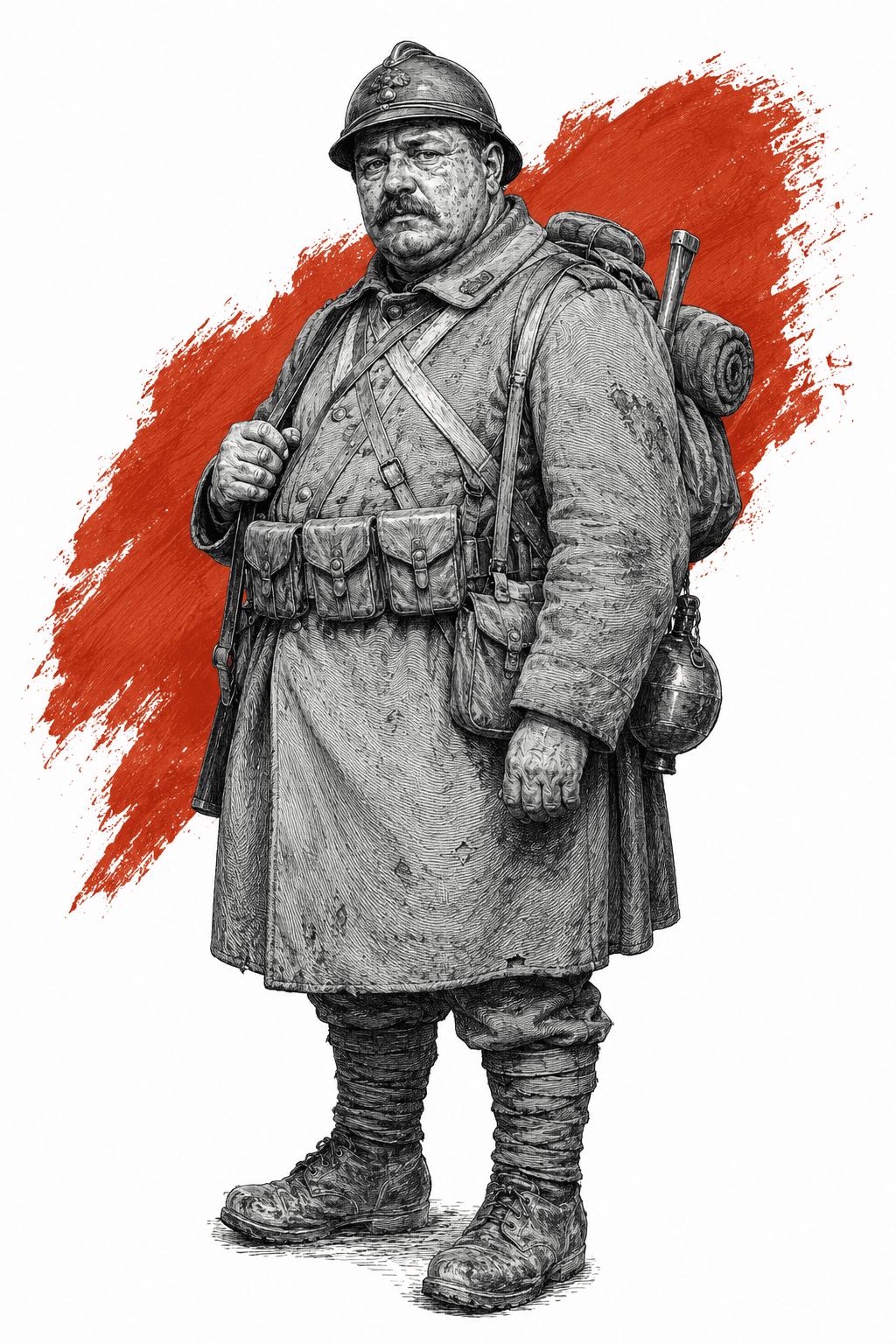
Spoiler-freeBlaire had a small farm in La Brie, east of Paris. He is one of the older men in the squad, old enough to be the father of its youngest, which is why the others call him Papa. He is short, shrivelled and permanently filthy, with black hands, a heavy sallow moustache and no teeth at all.
He is a comic figure for most of the book and then quietly stops being one. Barbusse gives him two obsessions, his wife and his mouth, and both of them turn out to be about wanting to be a person again.
How Papa Blaire Is Portrayed
- The dirtHis face carries a deposit the rain has made permanent, his hands are black to the wrist, and he smells of an old stewpan. The squad's rule of thumb is that the filthier a man is, the more likely he is to be a cook, and Blaire becomes one.
- The mouthHe has no teeth, cannot chew army beef, and takes offence when the others rag him about it. An army doctor told him long ago to go and find the dental unit at his next rest, and he has been carrying the instruction around ever since.
- The dentist's vanAt Gauchin he hunts down a clean white caravan parked among the transport wagons, circles it several times, and finally puts a foot on the step. He comes back with teeth so bright that they are the only thing you can see in his face.
- What the teeth do to himHe stops being filthy. Having become handsome, in his own estimation, he decides he had better become elegant, and is genuinely dejected on the one day he cannot wash. He wears the teeth all night to get used to them, and they stop him talking properly.
- The ringsHe files rings out of aluminium and copper, working from a photograph of a large, round-faced woman propped in front of him, and says the point is not whether they are well made but that he and his wife made them together.
- The sentence he always saysThat they would take the very skin off us if they could. He never specifies who they are. The squad has heard it so often that they finish it for him, and by the end of the book it has become the closest thing they have to a political position.
Blaire's one adventure comes from his new job. With the cooking fire out and no matches anywhere, he swears he will find some, and sets off down the trench with Volpatte, Pépin and a fourth cook. They take a wrong turning into a stretch of trench that is French at one end and German at the other, hide in a dug-out while a German officer walks past, then jump him. Pépin knifes him; Blaire finds the matches in his pockets and shouts about it. They run home and Blaire, who can barely breathe by the end, refuses to let anyone else hold the box.
He survives the attack and is one of the men left at the end, wandering a flooded plain with the rest.
If you like Le Feu


If you like Henri Barbusse
Explore authors with a similar voice, perspective, and influence.
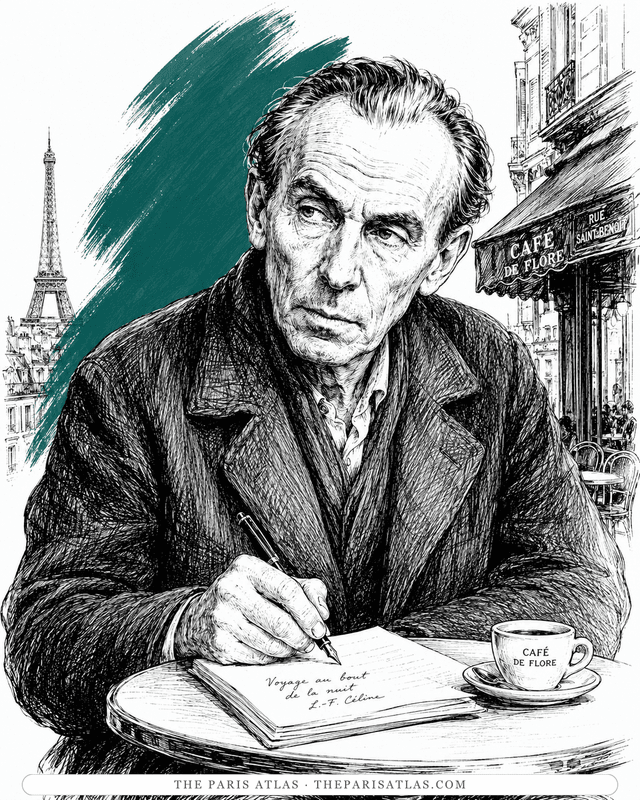
Louis-Ferdinand Céline
The lineage runs straight downhill: Le Feu's trench-level truth-telling, pushed past despair into Journey's night.
View author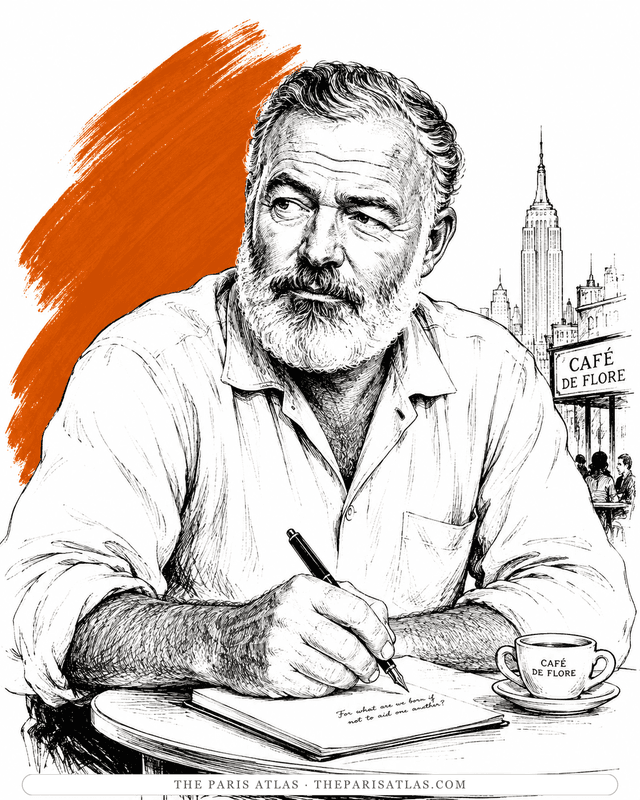
Ernest Hemingway
The other heir — Hemingway called Le Feu the war's one true book written in the fighting, and his own war prose kept its standard.
View author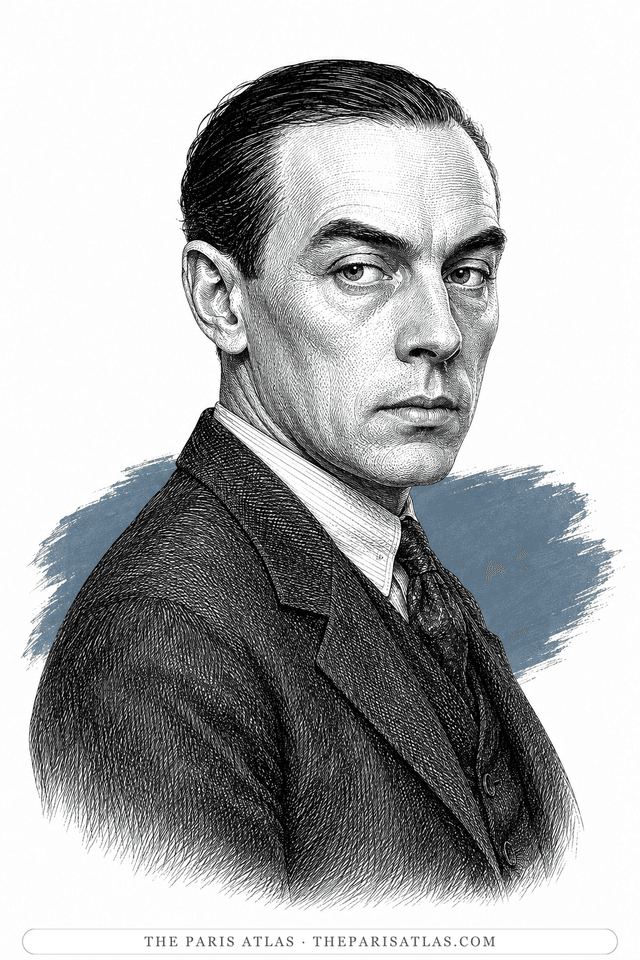
Erich Maria Remarque
German novelist whose direct, unsentimental fiction follows soldiers and survivors marked by the First World War.
View author