Paradis
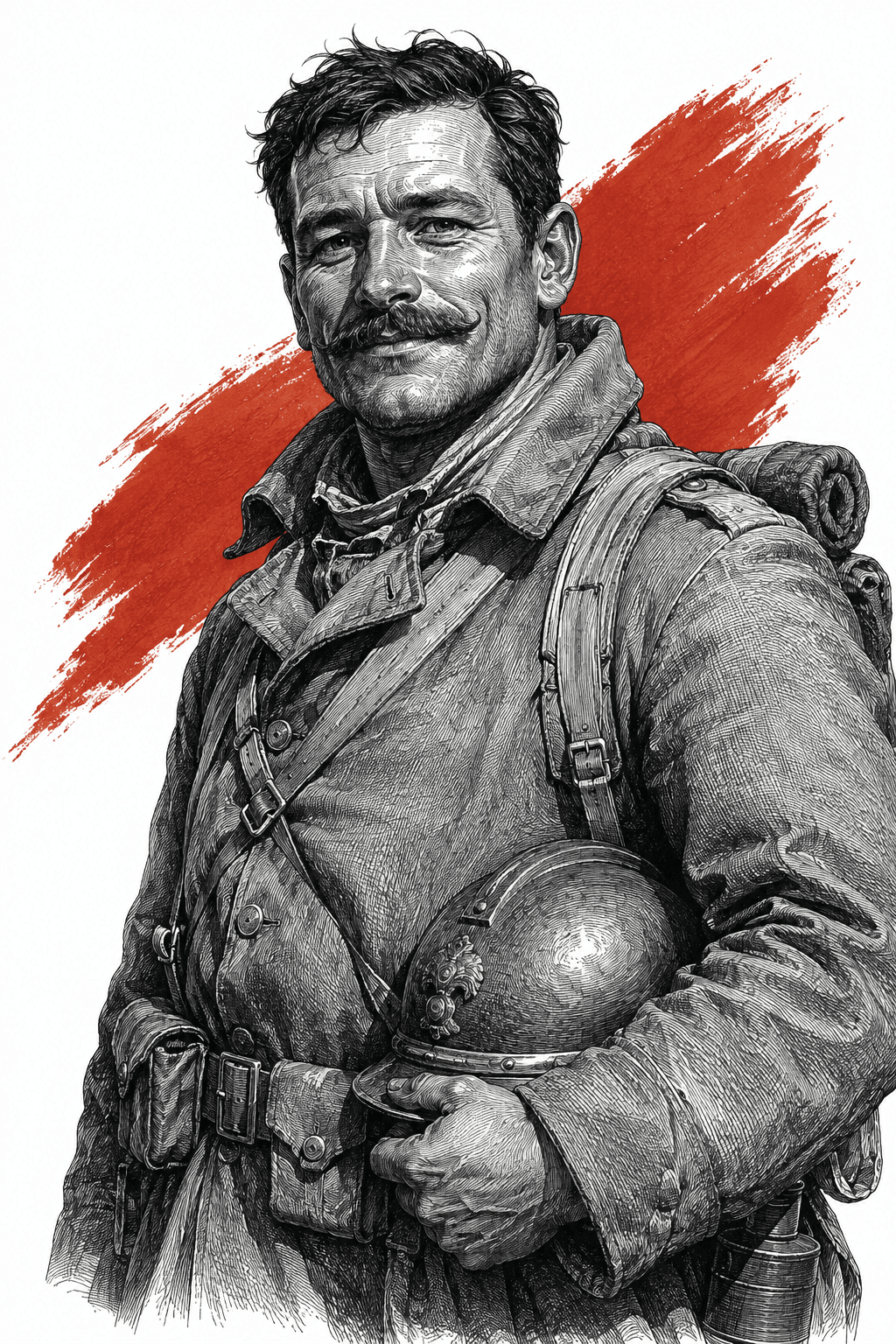
A carter from central France with a round red face, and the man the narrator stands next to in the ranks. He gets the book's last word on what the war actually was.
The book

At a glance
- Private in Corporal Bertrand's squad
- Carter
- The Morvan, in central France
- Liaison runner, out all night carrying messages
- That one never knows, said without much hope
- Throughout, and beside the narrator at the end
Who they are in the book
Spoiler-freeParadis is the narrator's neighbour in the marching column and the nearest thing he has to a friend. He drove a cart for a living, comes from the Morvan in central France, and complains that the others do not take him seriously because of where he is from. He has a plump, boyish face with puffy eyelids and cheeks so red they look painted on.
He is not clever and does not pretend to be. His stock phrase is that one never knows, offered without much conviction and repeated like an old song. But he is the man Barbusse gives the plainest sentences to, and by the end of the book the plainest sentences are the ones that carry.
How Paradis Is Portrayed
- The faceRound, pink, boyish, marked in the morning with the folds of the tent-cloth he used as a night-cap. The narrator says the squad smiles when it sees him coming, the way you smile at a new poster on a wall.
- The job nobody wantsHe runs liaison, carrying messages up and down the trench through the night while the rest of the squad sleeps, then marches all the next day and arrives at a billet, the barn or shed where troops are quartered at rest, too tired to stand up.
- The bootsIn one billet he finds an old woman struggling to clean her granddaughter's boots for work in the morning. He takes them off her, cleans and polishes them properly, turns them over in his hands, and then refuses to let the girl be fetched to thank him.
- The eggIn a village with nothing left to buy, the narrator gives him a box of matches. That evening Paradis pulls him aside, tells him to be careful because it is fragile, and hands over an egg.
- He shields a man from bad newsWhen Mesnil Joseph, whose brother is missing, is about to throw his leftover food onto the exact spot where the brother's body lies, Paradis grabs his arm, takes the abuse rather than explain, and says nothing.
- What he does not wantOffered a look at a young woman in a house they have entered to beg for wine, he yawns and says young or old, it makes no difference to him. Eighteen months of war have taken the interest out of it.
Paradis survives. The book's last chapter finds him and the narrator washed up on a mound of clay after days of rain have collapsed the trenches of both armies and drowned the men in them. Looking out over the flooded plain and the bodies floating in it, he says, "Voilà la guerre." There is the war, in his words, and it is nothing else: not charges that look like parades, not bayonets shining like silver, but exhaustion, water up to the belly, filth, and corpses that no longer look like corpses.
If you like Le Feu


If you like Henri Barbusse
Explore authors with a similar voice, perspective, and influence.

Louis-Ferdinand Céline
The lineage runs straight downhill: Le Feu's trench-level truth-telling, pushed past despair into Journey's night.
View author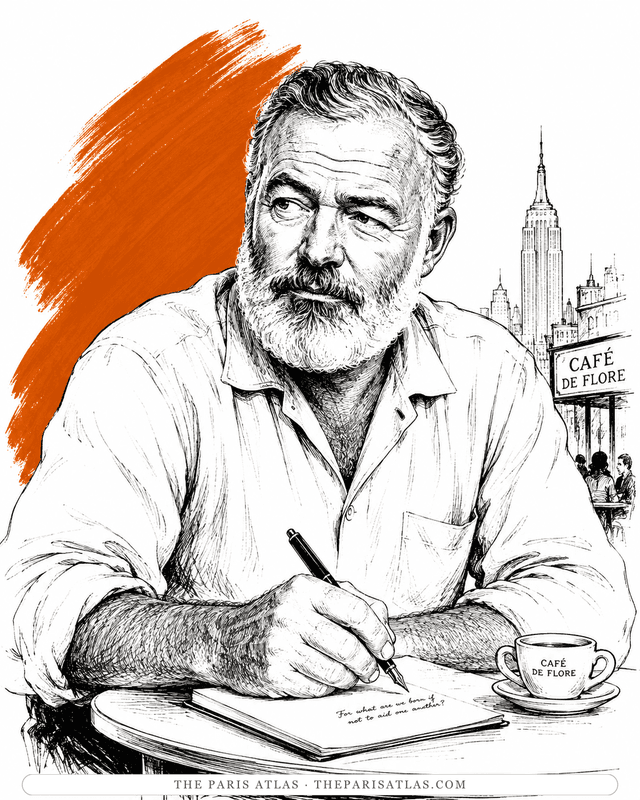
Ernest Hemingway
The other heir — Hemingway called Le Feu the war's one true book written in the fighting, and his own war prose kept its standard.
View author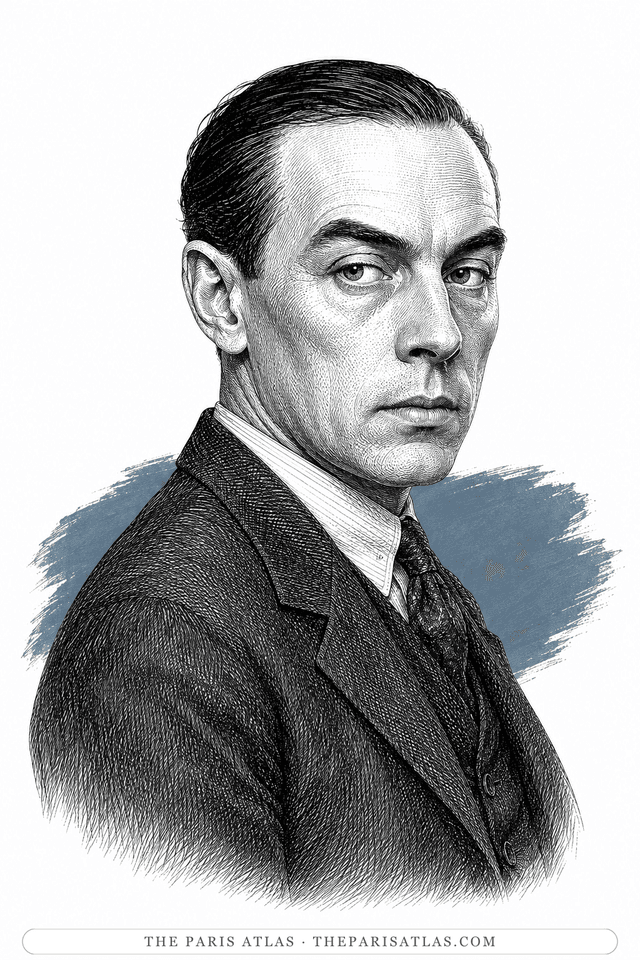
Erich Maria Remarque
German novelist whose direct, unsentimental fiction follows soldiers and survivors marked by the First World War.
View author