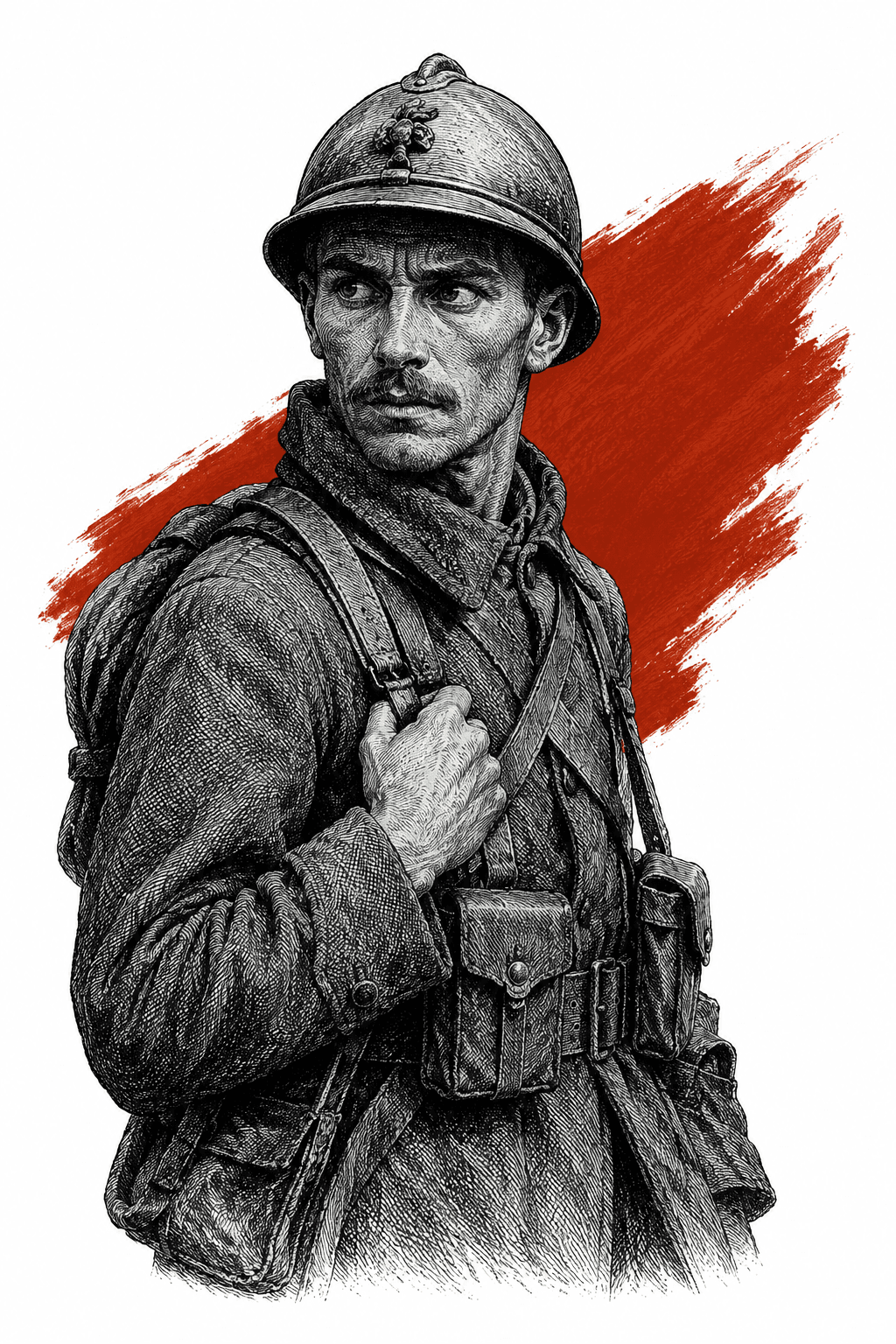
Poterloo
A coal miner whose village lies a few hundred yards from the trench he is holding. Le Feu takes him back into it, and then into German-occupied Lens to look at his own wife.
To get home, rebuild the house and the garden, and pick his life up where it stopped. He says the less there is left, the more they will remake.
The book

At a glance
- Private in Corporal Bertrand's squad
- Miner at the Calonne pit
- Souchez, now inside the battlefield
- His wife Clotilde and a small daughter, at Lens in occupied territory
- Taken from a dead Bavarian machine-gunner and handed on to him
- Throughout, and at the centre of the chapter called The Doorway
Who they are in the book
Spoiler-freePoterloo cut coal at the Calonne pit before the war and lived at Souchez, a village in the coalfields of northern France. The front line now runs across it. He is big and fair, with straw-coloured eyebrows and pale blue eyes, a head so large it took a search through the stores to find a helmet for it, and the singsong accent of the North.
He is the most hopeful man in the squad, and the book uses him to test what hope survives contact with the facts. Twice.
How Poterloo Is Portrayed
- The bootsHe walks in a dead Bavarian machine-gunner's boots, nearly new, with horseshoes on the heels. A soldier called Caron pulled them off the body over half an hour, and lent them to Poterloo when he was invalided back with a wounded arm.
- The road he used to walkGoing down the Béthune road in fog he stops every few paces. He knew it planted with big trees, with people calling to each other from carts. It is now a strip of churned paving between two trenches, with the trees split and thrown flat.
- SouchezThere is nothing left to recognise. Not a wall, a fence or a doorway stands, and the stream has been shelled out of its bed into a pond. He wanders back and forth in the rubble like a man who has lost his bearings, and finally identifies the site of his house by a single stone with the mark of an iron bar over a vent-hole.
- The truce with the AlsatiansSent out to repair wire, his party finds Germans from Alsace climbing out of their trench to bury their dead. The two sides work alongside each other and complain about their officers. One of them offers to smuggle Poterloo into occupied Lens to see his family.
- What he did about itHe agreed on the spot, without letting himself think. In a German greatcoat and a shako large enough for his head, he walked into Lens with a German working party and passed his own front door twice, under orders not to be seen.
- What he saw through the window, and what he decided about itHis wife Clotilde sitting between two German non-commissioned officers by lamplight, smiling, and his small daughter climbing onto a stranger's knee. He walked away wanting to kill somebody. By the next morning he had reasoned himself round: she is twenty-six, she is alive, and nobody can grieve for eighteen months without stopping.
Poterloo spends his last morning in the sunshine on the hill above Souchez, planning the rebuilding out loud: the house, the garden, the little local railway that was too slow and will stay too slow. He goes back down into the trench cheerful, and that evening the squad is relieved and marches out through mud and heavy rain.
Near a landmark the narrator had admired that morning, two leaning posts strung with fallen telephone wire, a shell bursts on the column. The narrator is thrown sideways, and in the same instant sees Poterloo lifted upright and black with both arms flung out and a flame where his head had been. It is the most violent single image in the book, and it is given in one sentence with nothing added to it.
If you like Le Feu


If you like Henri Barbusse
Explore authors with a similar voice, perspective, and influence.

Louis-Ferdinand Céline
The lineage runs straight downhill: Le Feu's trench-level truth-telling, pushed past despair into Journey's night.
View author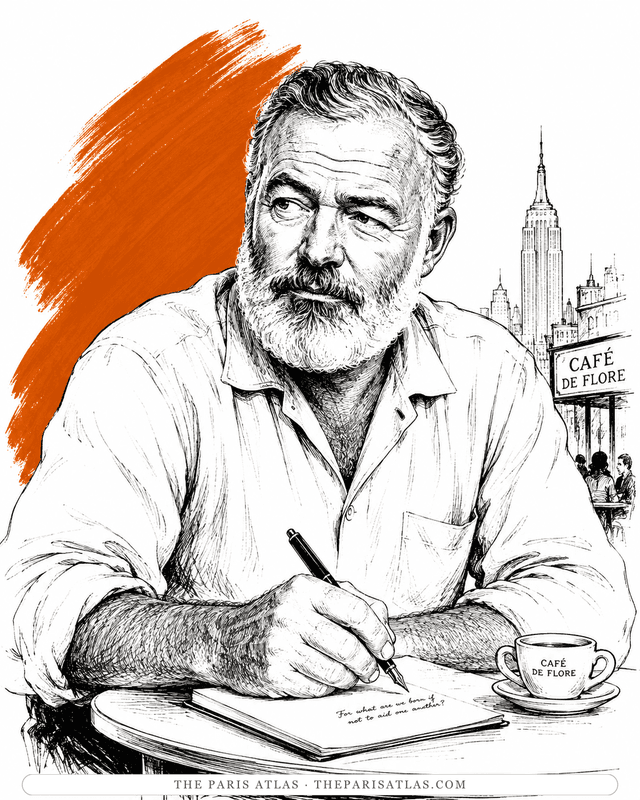
Ernest Hemingway
The other heir — Hemingway called Le Feu the war's one true book written in the fighting, and his own war prose kept its standard.
View author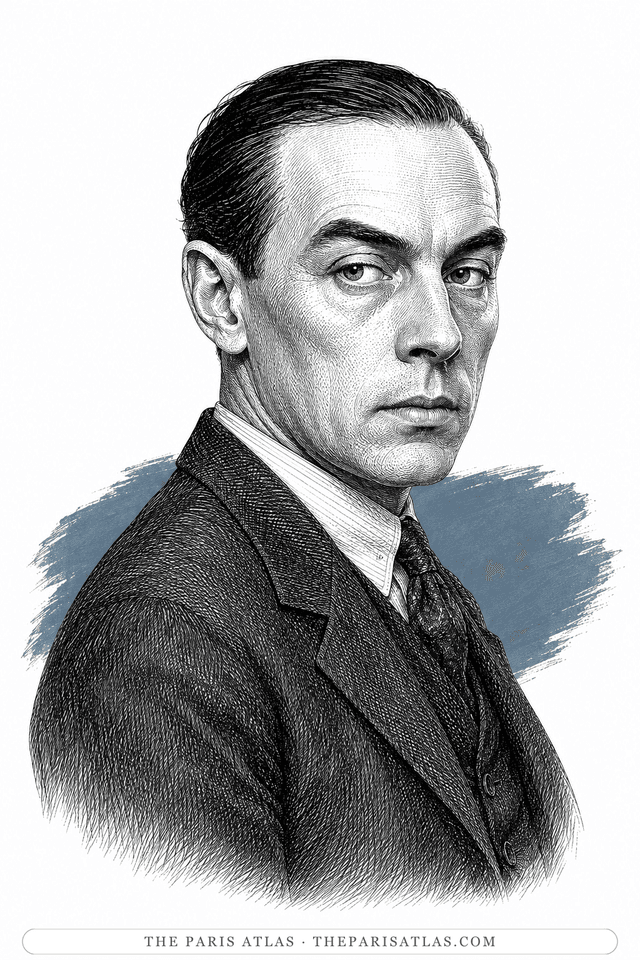
Erich Maria Remarque
German novelist whose direct, unsentimental fiction follows soldiers and survivors marked by the First World War.
View author