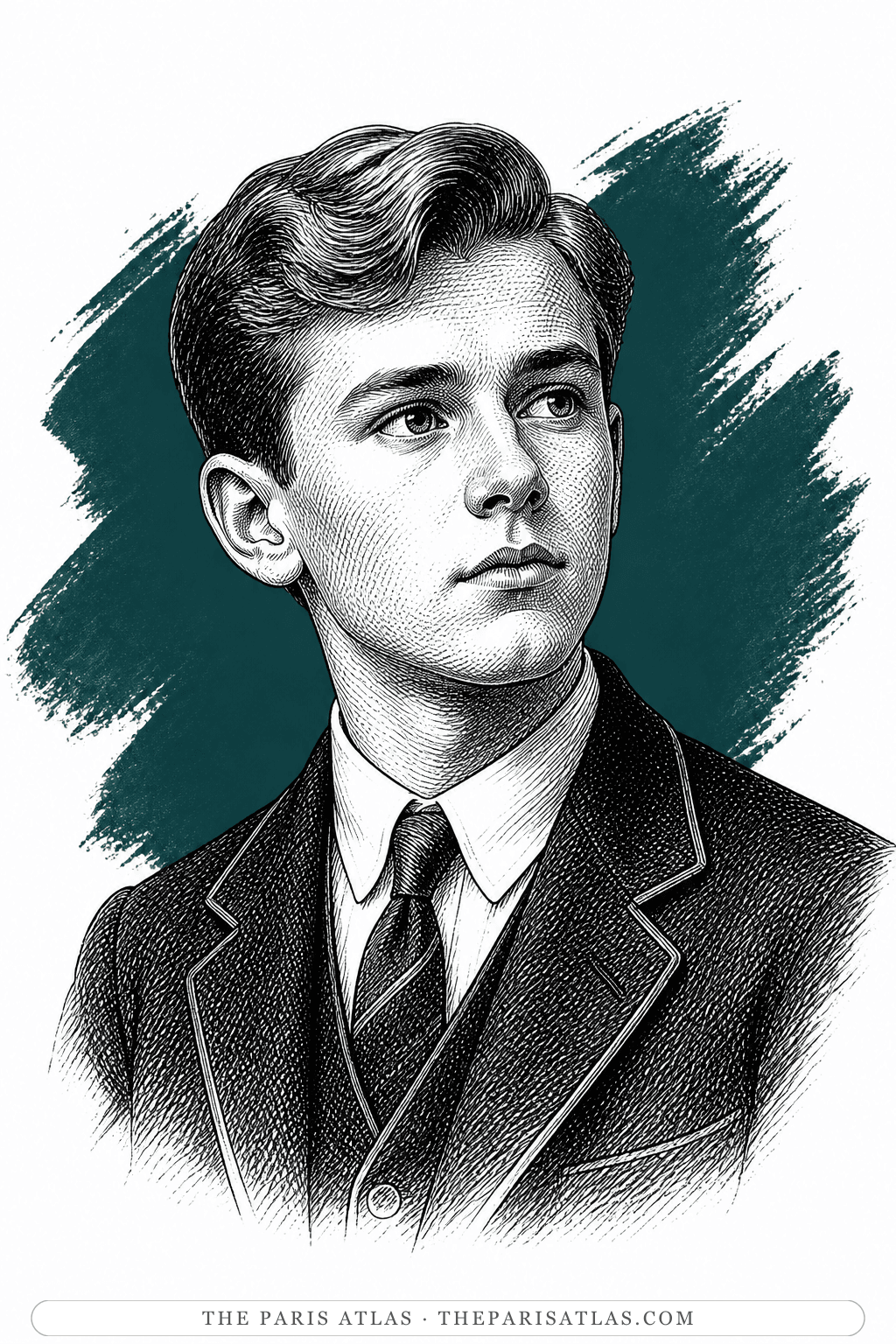
John T. Unger
The sixteen-year-old at the centre of "The Diamond as Big as the Ritz", invited to spend the summer at a school friend's house and slow to work out that no guest has ever left it.
To see how the very rich actually live, and be liked by them. He says it out loud on the train before he has any idea what he is agreeing to: "I like very rich people." Then: "The richer a fella is, the better I like him."
The book

At a glance
- The main character of "The Diamond as Big as the Ritz", the fifth of the eleven pieces
- Sixteen; from Hades, a small town on the Mississippi River
- St. Midas's, near Boston, where he is a form-mate of Percy Washington
- The Transcontinental Express from Chicago, which stops about six times a year at the village of Fish
- Kismine Washington, the younger of the two daughters
- Two of the Washington daughters and a pocketful of stones
Who they are in the book
Spoiler-freeJohn T. Unger is the main character of "The Diamond as Big as the Ritz", which F. Scott Fitzgerald published in the Smart Set in June 1922 and collected in Tales of the Jazz Age. He is sixteen, and he comes from Hades, a small town on the Mississippi River where his family has been well known for generations. His father sees him off to boarding school with an asbestos pocket-book stuffed with money and the instruction not to forget who he is or where he comes from. Fitzgerald keeps the joke running for the whole story and never once explains it.
The school is St. Midas's, near Boston, which the story calls the most expensive and most exclusive boys' preparatory school in the world. All the boys' fathers are rich, and John is entirely comfortable with this: "The richer a fella is, the better I like him." In his second year a quiet, well-dressed new boy named Percy Washington arrives, keeps away from everyone except John, and eventually tells him, on a train, that his father is by far the richest man in the world and owns a diamond bigger than the Ritz-Carlton Hotel.
John spends most of the story being shown things: a jewelled car, a bath he is rolled into sideways, a room lined floor to ceiling with diamonds — and admiring them without asking where any of it came from. He is not stupid. He is sixteen, he has been raised to worship money, and the story is largely about how long it takes him to notice what the money is standing on.
How John T. Unger Is Portrayed
- Where he is fromHades, a small city on the Mississippi. His mother is known for her political addresses and his father held the amateur golf championship for years. The other boys at school all ask him whether it is hot enough for him down there, varying the joke just enough to keep it annoying.
- The bathOn his first morning a servant tips his bed sideways and rolls him down a fleecy incline into a sunken bath lined with an aquarium. He is offered hot rosewater and soapsuds, a cold salt-water finish, and a one-reel comedy on the moving-picture machine. He declines the film because he is enjoying the bath too much.
- What he does not askPercy explains, quite calmly, that the estate has anti-aircraft guns and that there have been a few deaths and a great many prisoners. John's response is a private shudder and a silent laugh, and then he goes in to dinner. He is shown a pit of imprisoned airmen and manages a nod.
- KismineHe meets Braddock Washington's younger daughter barefoot on the grass on his first morning, sits with her on moss he never gets round to testing, and is in love by the end of the conversation. He gives her his little gold school football on a platinum chain and keeps a sapphire that fell out of her hair.
- When he finally understandsThe information arrives sideways in an August conversation about earlier houseguests, and he says the only thing there is to say: "So you murdered them! Uh!" He then spends a page furiously accusing Kismine of letting him make love to her while knowing he would never leave alive, which is exactly what she has done.
- Watching the bribeAt dawn on the last morning he follows footsteps up the mountain, lifts his head over a boulder, and watches Braddock Washington offer God the greatest diamond in the world in exchange for the previous day. He is the only witness, and Fitzgerald gives him the realisation in one line: "Braddock Washington was offering a bribe to God!"
- How he talks at the endSitting under the stars with nothing left, he turns sixteen-year-old philosopher and stays surprisingly convincing: "Everybody's youth is a dream, a form of chemical madness." Then he tells Kismine to turn up her coat collar because she will get pneumonia.
He gets out, and he gets out with nothing. The escaped Italian tutor brings a dozen aeroplanes over the valley on the night John and Kismine had already chosen to run. The three of them — John, Kismine and her sister Jasmine — climb the diamond mountain and watch the anti-aircraft guns fail one by one. At dawn John watches Braddock Washington's bribe refused, then the mountain is detonated with the family inside it and the château blows itself into the lake.
At sunset the three of them sit down at the boundary cliff and John asks Kismine to turn out her pockets. The stones are rhinestones. She had traded diamonds for them years earlier with a visiting girl, having never seen anything but precious stones before, and grabbed the wrong drawer on the way out. Her verdict is that she likes them better anyway, and Jasmine offers to take in laundry and support them both. The story ends with the three of them wrapped in blankets under the stars outside a valley that no longer exists, and John talking about youth as a form of chemical madness before falling asleep.
If you like Tales of the Jazz Age


If you like F. Scott Fitzgerald
Explore authors with a similar voice, perspective, and influence.
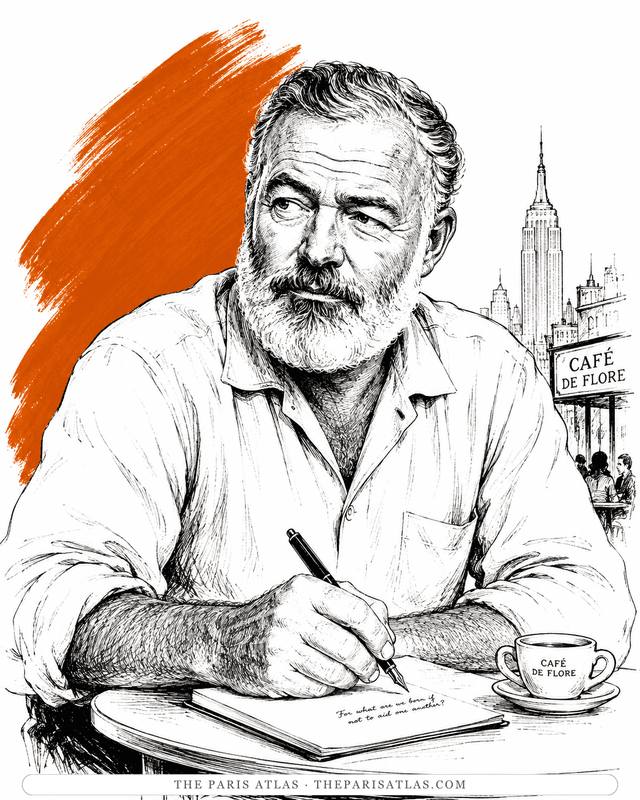
Ernest Hemingway
Fitzgerald vouched for him to Scribner's before they had met, then edited him better than he edited himself; the friendship's five rounds are chronicled in our journal.
View author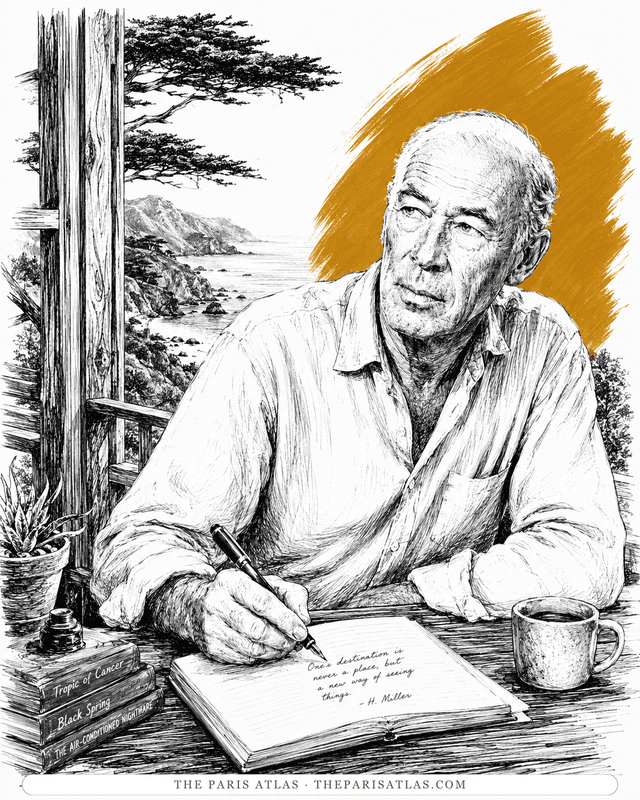
Henry Miller
The Brooklyn dropout who arrived in Paris broke at thirty-eight and wrote the exuberant, banned books that ended American censorship.
View author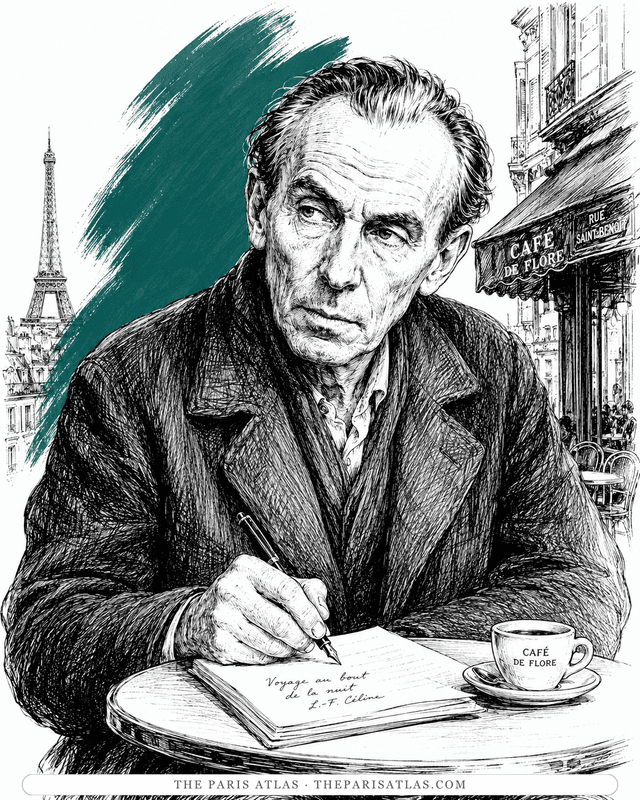
Louis-Ferdinand Céline
The doctor of the Paris slums who wrote the century's blackest, funniest novel — and changed the sound of French prose.
View author