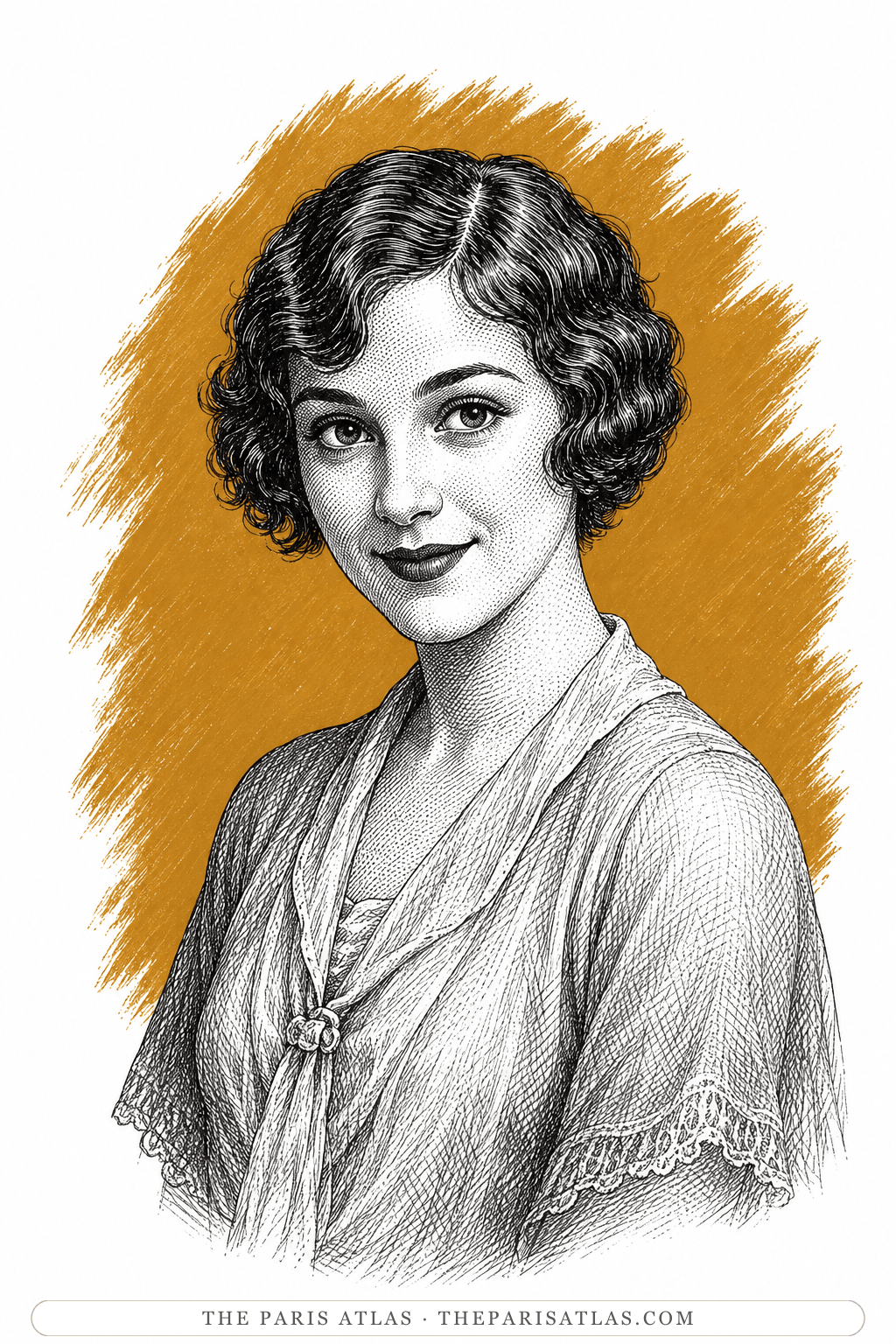
Dolly Karger
The girl Anson Hunter takes up with after Paula Legendre marries, in “The Rich Boy.” He tells her repeatedly that he does not love her, which does not help.
The man who will not have her. Since she was ten she has always been in love, usually with some boy who did not respond; the ones who did bored her after a brief encounter, and for her failures she reserved the warmest spot in her heart.
The book

At a glance
- Dolly Karger — invented by F. Scott Fitzgerald
- A notorious publicist who had married into society
- New York, the winter after Paula Legendre's marriage
- That he is not in love with her — frequently, throughout the affair
Who they are in the book
Spoiler-freeDolly Karger is a character in “The Rich Boy,” the long story that opens All the Sad Young Men, the 1926 collection by the American writer F. Scott Fitzgerald. She is invented. Anson Hunter meets her less than a month after Paula Legendre's marriage, pretends for a week that he is falling in love with her, then drops her abruptly and forgets about it — and so takes up the commanding position in her heart.
How Dolly Karger Is Portrayed
- Where she comes fromThe daughter of a notorious publicist who married into society. She grew up into the Junior League, came out at the Plaza and went to the Assembly, and only a few old families like the Hunters would question whether she belonged. Her picture is often in the papers.
- The powderDark-haired, with carmine lips and a high lovely colour, which she conceals under pinkish-grey powder all through her first year out because high colour is unfashionable and Victorian-pale is the thing to be. She wears severe black suits and stands with her hands in her pockets, leaning a little forward, with a humorous restraint on her face.
- DancingShe dances exquisitely, and likes it better than anything else except making love.
- The decoy letterTo make Anson jealous she writes that she cannot go to the country with him because Perry Hull has come unexpectedly from Chicago, and adds that Perry is so nice and wants very much to marry her. Anson recognises the manoeuvre at once — she sent for the faithful Perry, calculated the time of his arrival, and laboured over the note so it would make him jealous without driving him away. He telephones and says he will call for her at five as previously planned.
- Paula's photographShe knows something about Paula and sometimes tortures herself with fragments of the story. In Anson's bedroom on 71st Street she catches sight of Paula's picture on the wall and stares at it in fascination — exactly as Paula, five years earlier, had stared at the photographs of Anson's childhood sweethearts.
- The world underneathFor one feverish winter she and Anson drop out of their own set and make another one just beneath it, where his tippling and her irregular hours attract less comment: a few of his Yale friends and their wives, two or three young brokers and bond salesmen, and a handful of unattached men fresh from college with money and a propensity to dissipation.
The affair ends over a weekend at a cousin's estate in Port Washington. Anson stops at the lodge and puts a five-dollar bill into the night watchman's hand with instructions to telephone the house if any automobile turns in at the gate, then checks that the telephone is within easy hearing of both their rooms, and knocks on her door five minutes later. Over her head he sees that a photograph of Paula is hanging on that wall too. He gets up, goes close to it, and turns around almost sobbing.
For a long time afterwards Anson believed that a protective God sometimes interfered in human affairs. What the story says about Dolly is the coldest line in the book: She married the following autumn while Anson was in London on business. He wired congratulations, and they were sincere.
If you like All the Sad Young Men


If you like F. Scott Fitzgerald
Explore authors with a similar voice, perspective, and influence.
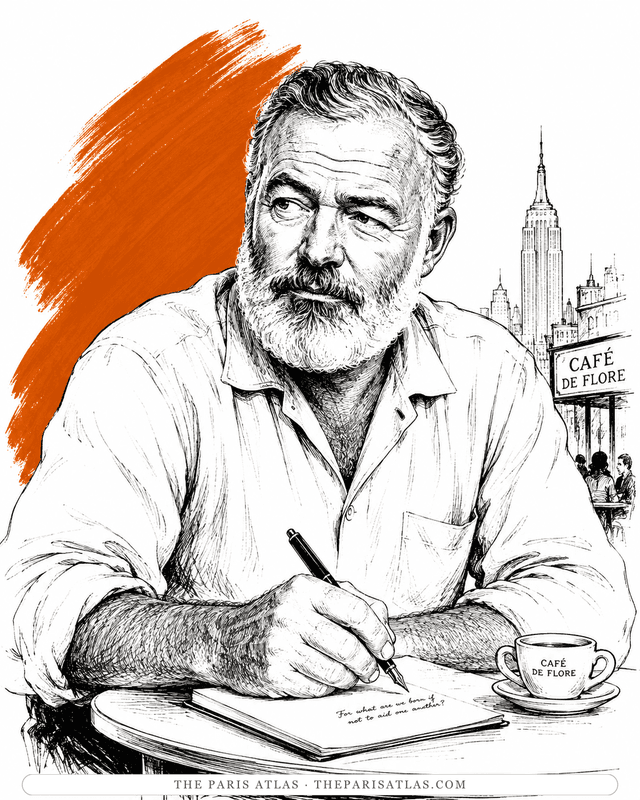
Ernest Hemingway
Fitzgerald vouched for him to Scribner's before they had met, then edited him better than he edited himself; the friendship's five rounds are chronicled in our journal.
View author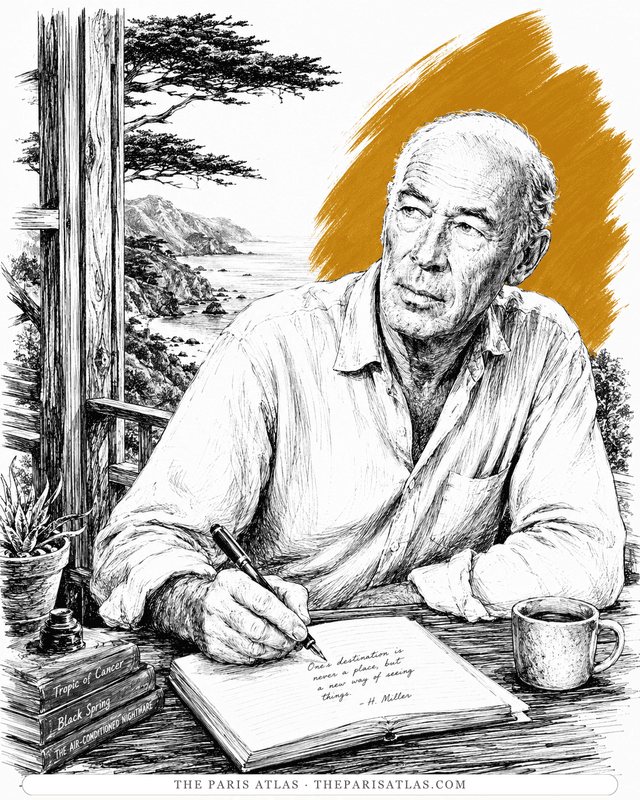
Henry Miller
The Brooklyn dropout who arrived in Paris broke at thirty-eight and wrote the exuberant, banned books that ended American censorship.
View author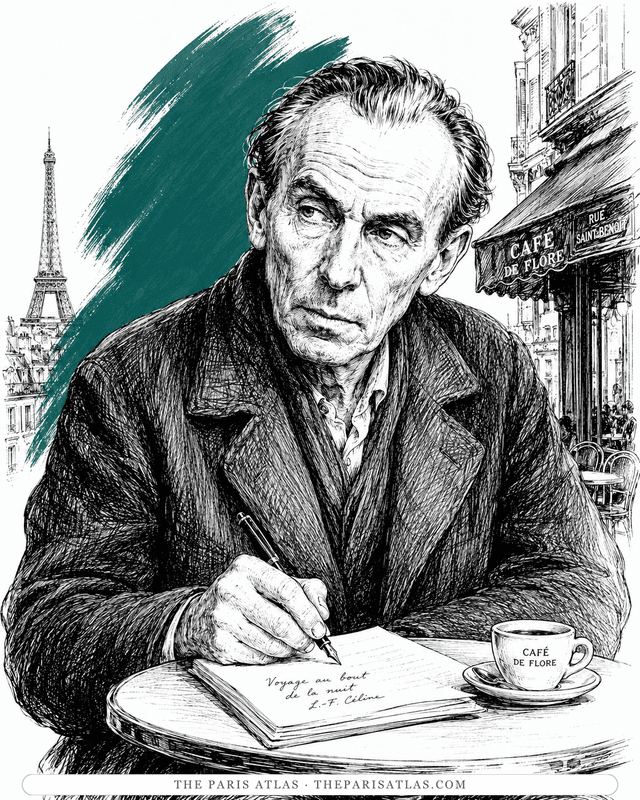
Louis-Ferdinand Céline
The doctor of the Paris slums who wrote the century's blackest, funniest novel — and changed the sound of French prose.
View author