
Angela Crossby
The American wife of a retired Birmingham manufacturer, bored in the Worcestershire countryside, who lets Stephen Gordon fall in love with her and then hands the evidence to her husband.
To be entertained and not to be found out. Bored, snubbed by the county and unhappily married, she writes to Stephen because she is curious, keeps her because the attention is pleasant, and tells her husband afterwards that she had set out to reform her.
The book

At a glance
- The whole of Book Two turns on her
- The American South, by her accent; said in the county to have been on the New York stage
- Ralph Crossby, retired from a Birmingham hardware concern
- The Grange, near Upton-on-Severn — a small Tudor house sold to pay a dead owner's debts
- Tony, a West Highland terrier, stitched up in chapter sixteen
Who they are in the book
Spoiler-freeAngela Crossby is the woman Stephen Gordon loves first and disastrously in The Well of Loneliness, the 1928 novel by the English writer Radclyffe Hall. She is fictional. She is American, married to Ralph Crossby, a retired Birmingham hardware manufacturer who has bought The Grange, a small Tudor house on the far side of Upton from Morton.
They meet over a dog fight in the street outside a butcher's shop: Angela's West Highland terrier, Tony, is being killed by the butcher's Airedale, and Stephen wades in and pulls them apart. Angela is bitten in the process. Stephen drives her to the chemist, then to the vet, then home.
She is amazingly blonde — silver rather than golden — with hair cut short like a mediaeval page at a time when everyone else wore pompadours, a very white skin, a wide pale-coral mouth, and large blue eyes with a trustful, childlike expression. The county resents the Crossbys and gossips about her: an American, said to have been on the stage in New York, married to a man who bounds. She is idle, discontented and, as the novel puts it flatly, not over-burdened with virtue.
How Angela Crossby Is Portrayed
- The dog fightShe arrives at a street brawl between two dogs carrying her parasol like a lance, which breaks at the first contact, and shouts at the crowd to stop them. When Stephen has pulled the Airedale off, Angela's own hand is bitten on two fingers and she has it dressed in silence, which impresses Stephen more than anything else that day.
- The voiceA soft, thick Southern drawl, indolent and restful, which Stephen has never heard before and finds unexpectedly pleasant. She uses it to say provoking things very gently, particularly to her husband.
- How she handles the first visitStephen arrives at The Grange too early, sits on the edge of a chair, burns her mouth on the tea and cannot speak. Angela talks her round with, the book says, no mean subtlety and skill, so that by the end of three hours Stephen has described Morton and Angela has established that the girl is in love with her.
- What she says she is notConfessing to her husband she cannot get the sentence out on the first attempt, then manages it: that she has been seeing Roger Antrim to prove that she is not a pervert, not that sort of degenerate creature. She has been sleeping with Roger throughout.
- The betrayalFrightened that Stephen will say something publicly, she takes Stephen's love letter straight to Ralph and lets him deal with it. He copies the letter and sends it to Lady Anna Gordon with a covering note. It is the act that gets Stephen turned out of Morton.
- The nine words she sends afterwardsIn her large, rather childish handwriting, on a single sheet: "Stephen—when you know what I've done, forgive me." Stephen has it in her pocket, unread, while her mother hands her Ralph's letter.
- What Stephen never tells herThe morning of the letter, Stephen had seen her in the garden with Roger Antrim and laughed until she could not stop. The letter runs for pages and does not mention it. The novel calls this a complete vindication of Angela Crossby and a terrible indictment of Stephen, which is the closest it comes to taking her side.
If you like The Well of Loneliness


If you like Radclyffe Hall
Explore authors with a similar voice, perspective, and influence.
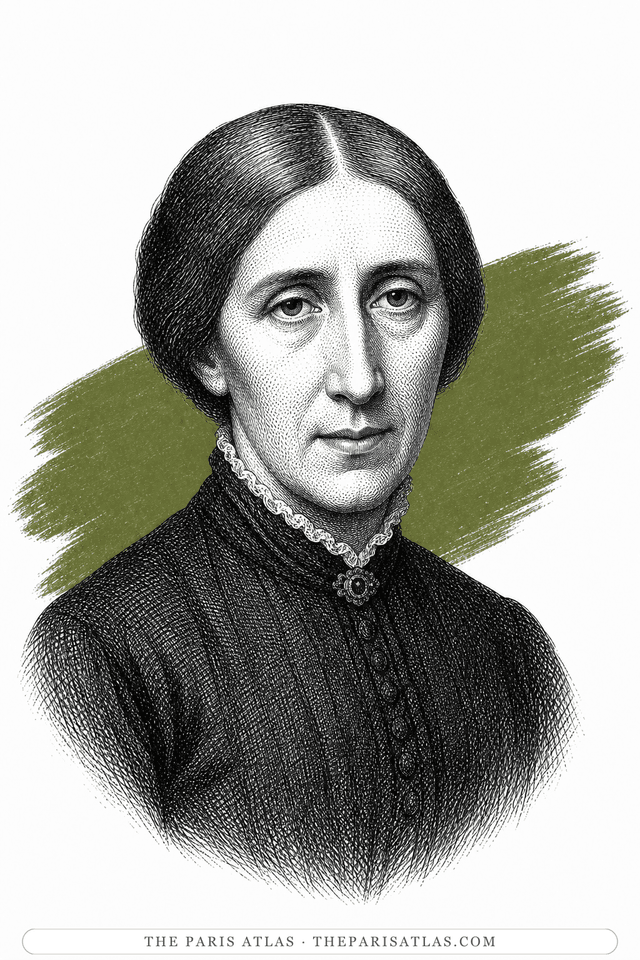
George Eliot
Mary Ann Evans, who wrote Middlemarch under a man's name because she was living openly with another woman's husband and knew what English readers would do with that. Her mind was formed in French and German: she translated Strauss and Feuerbach before she wrote a line of fiction, and the sight she most wanted in Paris was not a monument but the flat where Auguste Comte had lived.
View author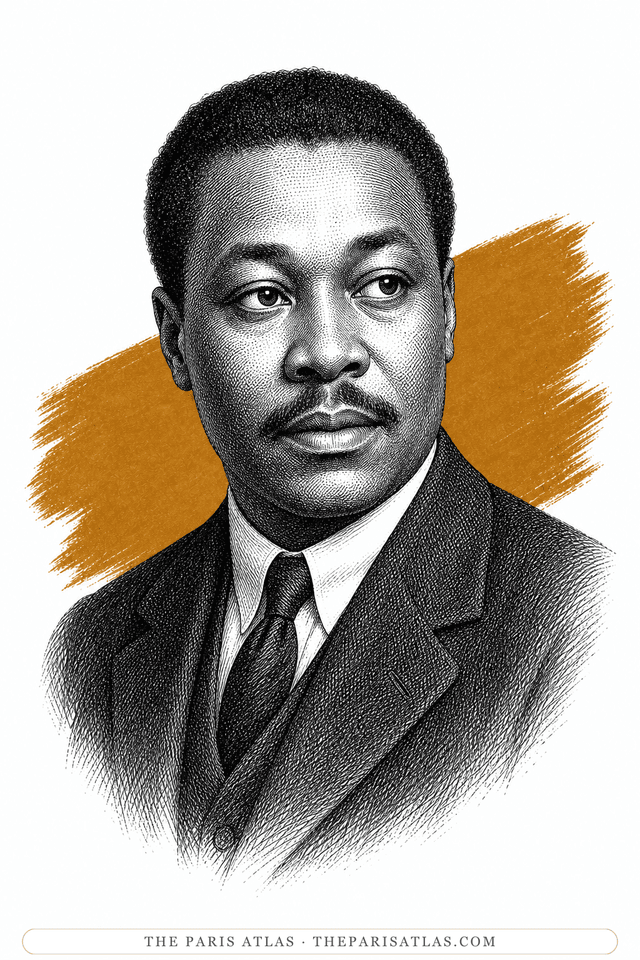
Claude McKay
Jamaican-born poet and novelist, and one of the essential writers of the Harlem Renaissance. He arrived in Paris from Moscow in 1923 and stayed in France until 1928, writing Home to Harlem there — and forming a low opinion of the rich, white expatriate scene that dominates most accounts of the period. His Paris is the same years as Hemingway's and almost nothing like it.
View author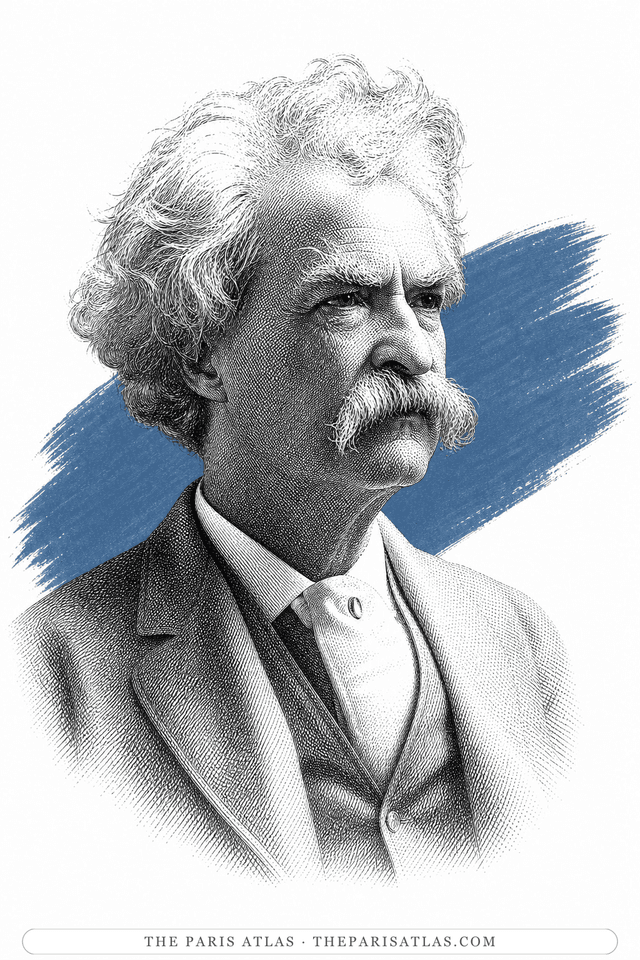
Mark Twain
The Missouri newspaperman who became America's most famous writer, and whose first book made its reputation partly out of Paris: in 1867 he arrived with a shipload of American tourists, renamed his guide Ferguson, watched the high-kicking can-can through his fingers and wrote it all down. He kept coming back — and was living in Paris in the mid-1890s, broke, while finishing the novel he considered his best, Personal Recollections of Joan of Arc.
View author