Jamie
A composer from the Scottish Highlands, living in a cold Paris studio with Barbara, the girl she has loved since they were children in the same village.
To get her music out, and to be allowed to love Barbara in the open. What she says out loud, after Barbara's death, is that she wants to go home to Beedles and grieve for her among their own people.
The book

At a glance
- Book Five, in the Paris chapters
- Beedles, a village in the Scottish Highlands
- Not quite twenty when she and Barbara became lovers; older by Paris
- Composition, studied in Inverness and then at the Paris Conservatoire
- A widowed minister father, who left her his little all and died two years before Paris
- Barbara, in a studio up several flights with an eye-shaped window
Who they are in the book
Spoiler-freeJamie is one of the two women Stephen Gordon and Mary Llewellyn take up with in Paris in The Well of Loneliness, the 1928 novel by the English writer Radclyffe Hall. She is fictional. She came to Paris from a Highland village called Beedles to study composition at the Conservatoire, on advice and a small loan from her music master in Inverness.
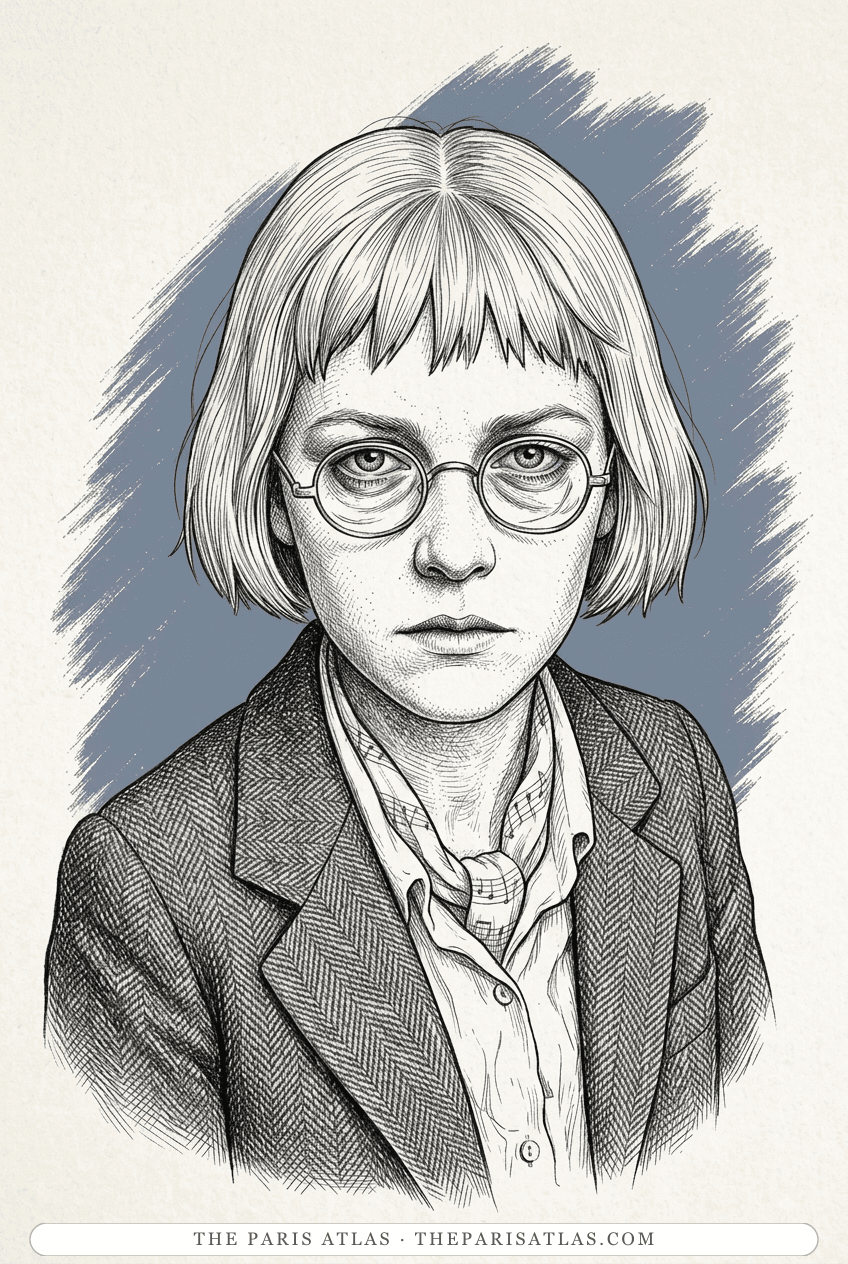
She is loose-limbed, raw-boned and badly short-sighted, and because she can seldom afford new glasses her eyes are red-rimmed and strained and she pokes her head forward, always peering. Her tow-coloured hair is bobbed by Barbara, and the fringe is too often uneven. The novel says she is a trifle unhinged by the music that besieges her soul and fights for expression through her stiff and scholarly compositions.
She and Barbara have been together since they were children in the same village — the stronger child protecting the weaker at school, then two saplings quietly intertwining. They left Scotland because the village turned on them.
How Jamie Is Portrayed
- Where they startedBeedles, in the Highlands. They talked in abrupt, shy, broken phrases, listened to the piper in the village street at evening, and lay side by side on the moorland turf and the heather. Hall's image for the whole thing is the entwining of two wind-swept saplings on a hillside starved of sunshine.
- What the village saidBarbara's grandmother, the post-mistress, frowned at the friendship — "I dinna richtly unnerstan' it," she said, and because she spoke with authority the neighbours agreed. Jamie's father, the gentle old minister, tried once to suggest that Barbara might walk out with young MacGregor on Sabbath afternoons, and was scowled down.
- The studio in ParisCold, disordered, with a room off it that has an eye-shaped window. Jamie litters the place with her large awkward person and her shabby possessions and is Barbara's despair; Barbara wages a losing fight against the dust. When they are broke, Jamie brings the evening meal home in a bag.
- The musicShe improvises for hours, and always has, since she was a child picking out little tunes at her father's piano. In Paris she still plays for Barbara, and once, drunk and hilarious at Stephen's flat, blunders round the room dancing with Barbara clasped to her untidy bosom and singing until Barbara starts coughing.
- The silence at the deathbedWhen Barbara goes under with double pneumonia, Jamie stops speaking. She squats on the floor by the bed like a dumb, faithful dog, lies down when the nurse tells her to, and gets up when told. The nurse asks whether she is a relation, and Stephen has to say no; the nurse then asks whether she is a little mental, because it does not seem natural.
- What she cannot doMourn her. She breaks down after the nurse has gone and says that she cannot grieve for Barbara without bringing shame on her name, and that she cannot go home: "Oh God, oh God! I can't even mourn her, and I want to grieve for her home there in Beedles."
- The last thing she asks forTo be left alone with Barbara for the night. She says it is her right, to be alone with the woman she loves before they take her. She holds the lamp to light Stephen and Mary down the stairs, and her hand is amazingly steady.
If you like The Well of Loneliness


If you like Radclyffe Hall
Explore authors with a similar voice, perspective, and influence.
George Eliot
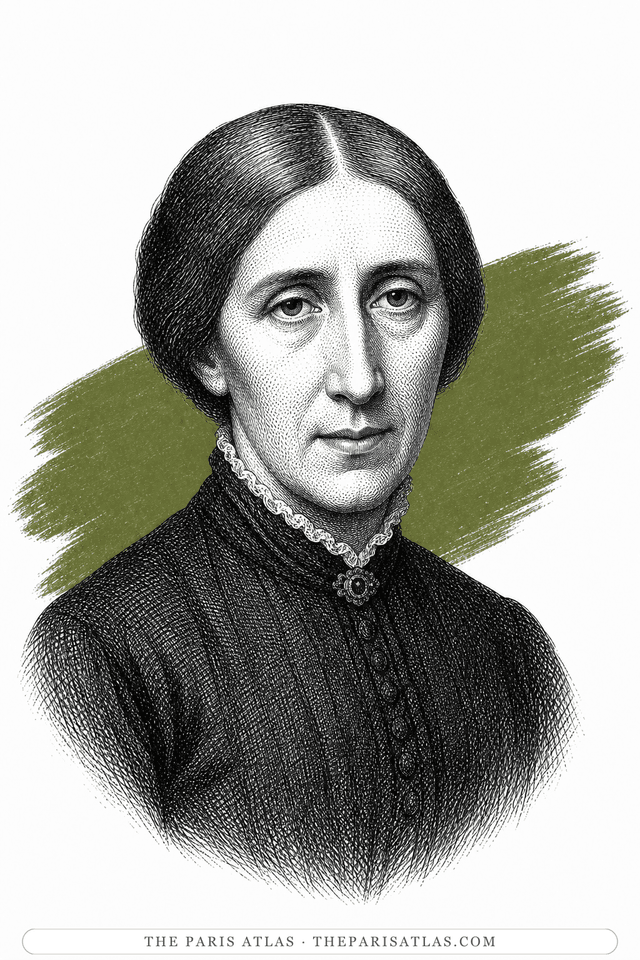
Mary Ann Evans, who wrote Middlemarch under a man's name because she was living openly with another woman's husband and knew what English readers would do with that. Her mind was formed in French and German: she translated Strauss and Feuerbach before she wrote a line of fiction, and the sight she most wanted in Paris was not a monument but the flat where Auguste Comte had lived.
View author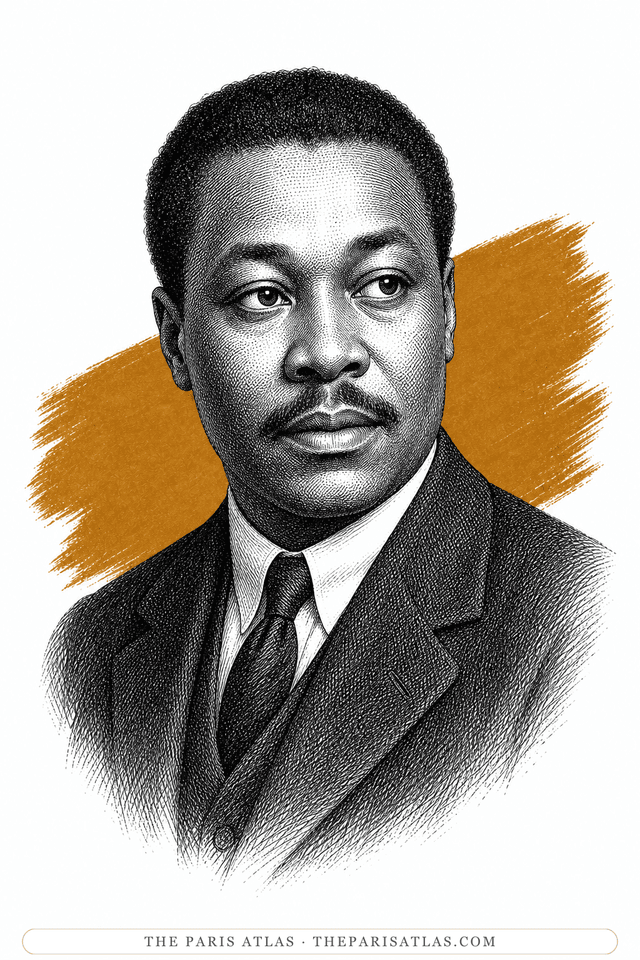
Claude McKay
Jamaican-born poet and novelist, and one of the essential writers of the Harlem Renaissance. He arrived in Paris from Moscow in 1923 and stayed in France until 1928, writing Home to Harlem there — and forming a low opinion of the rich, white expatriate scene that dominates most accounts of the period. His Paris is the same years as Hemingway's and almost nothing like it.
View author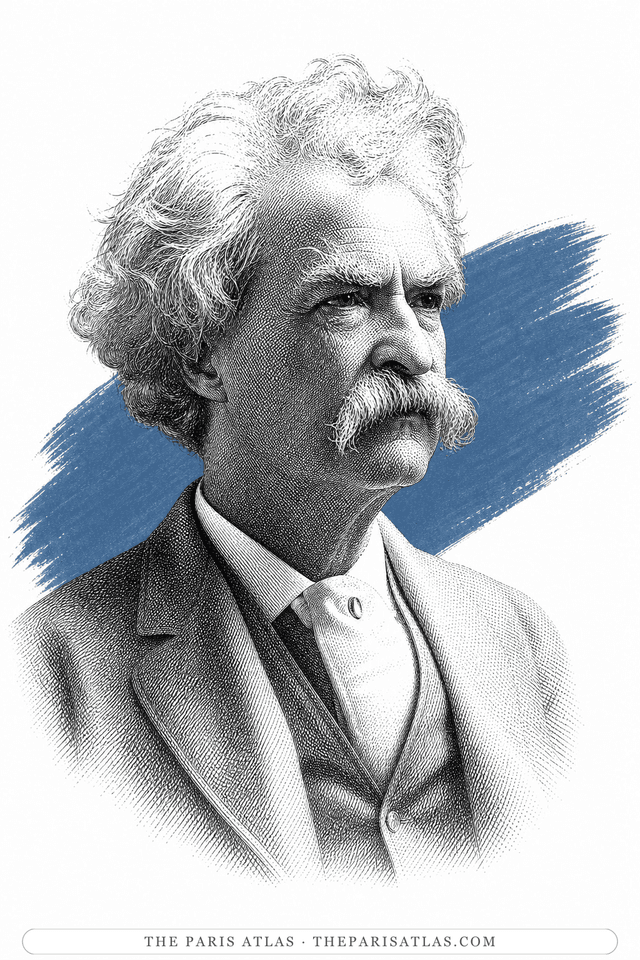
Mark Twain
The Missouri newspaperman who became America's most famous writer, and whose first book made its reputation partly out of Paris: in 1867 he arrived with a shipload of American tourists, renamed his guide Ferguson, watched the high-kicking can-can through his fingers and wrote it all down. He kept coming back — and was living in Paris in the mid-1890s, broke, while finishing the novel he considered his best, Personal Recollections of Joan of Arc.
View author