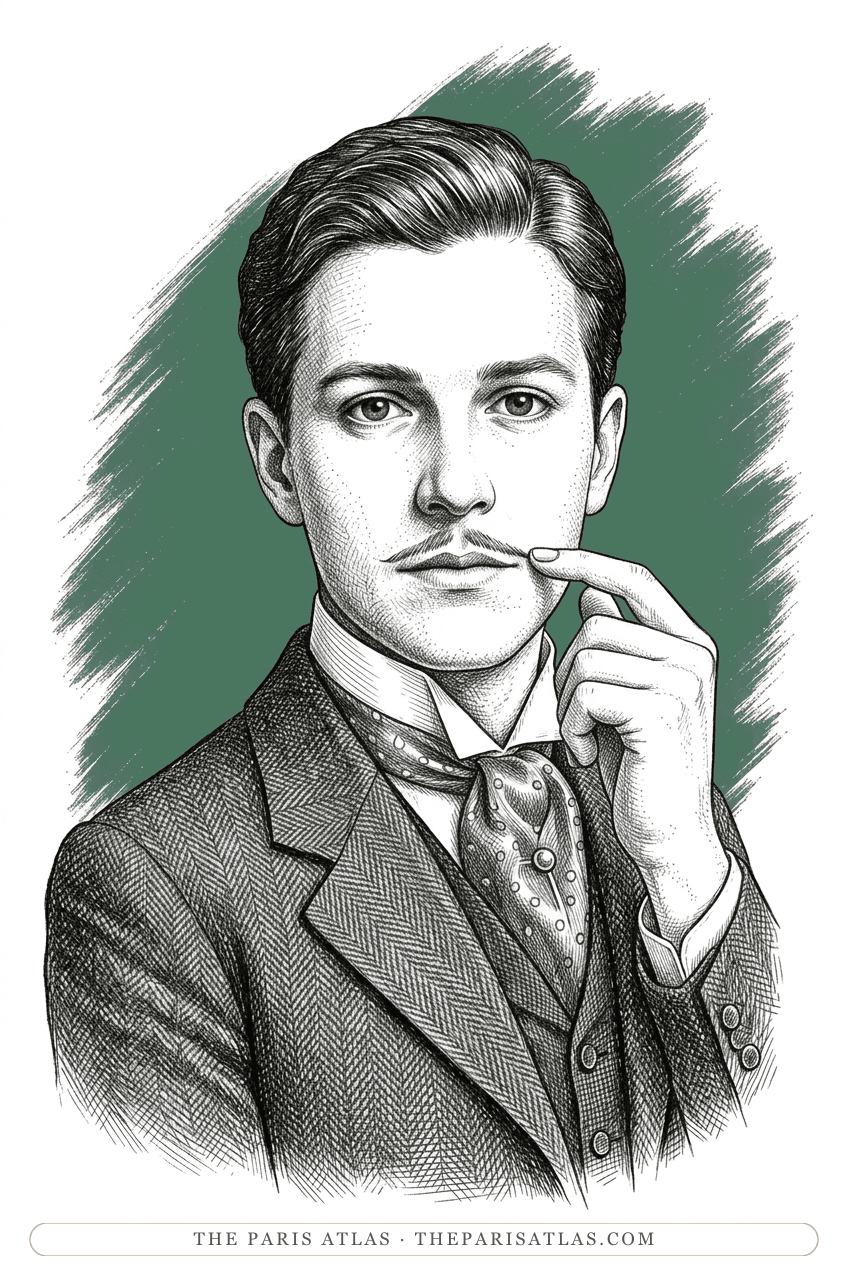
Roger Antrim
The neighbour's son, a bully at ten and an army officer at twenty, who humiliates Stephen Gordon as a child and sleeps with the woman she loves as an adult.
To take Stephen down a peg. He resents her as a rival and an intruder into his own province, and being slow-witted he is bad at it, because no dare works on her and she usually goes one better.
The book

At a glance
- Books One and Two
- Ten when Stephen is eight; nearly twenty when he leaves Sandhurst
- Son of Colonel Antrim, Master of hounds, and brother of Violet
- Eton jacket, Sandhurst, then a regiment
Who they are in the book
Spoiler-freeRoger Antrim is the son of the Master of hounds in The Well of Loneliness, the 1928 novel by the English writer Radclyffe Hall, and Stephen Gordon's earliest enemy. He is fictional. He is ten when the book introduces him, two years older than Stephen, with round brown eyes like his mother's, a short straight nose, and buttocks that look too large in a short Eton jacket. He has just been promoted to Etons, which has added to his pride.
He bullies his sister Violet, would dearly love to bully Stephen, and cannot, because her arms are too strong and she will not cry. So he beats her the only way he can, which is with words, and then with the one advantage he has that she cannot argue with.
How Roger Antrim Is Portrayed
- What Stephen envies about himHis clumping boots, his cropped hair, his Etons, his school, his male companions whom he calls all the other fellows, his right to climb trees and play cricket and football — and above all his splendid conviction that being a boy is a privilege. She loathes him, and the loathing is made worse by knowing that she envies him.
- The tea partyEight years old and eating cake under his stare, Stephen is told that everybody at the meet was laughing at her, that the Master only gave her the fox's brush because he thought she might cry, and that Mrs. Antrim says her mother should never have let a girl ride astride because it is not modest. Stephen calls him a liar, then a cad, rolls up her sleeves and offers to fight him.
- His answerHe puts his hands deep in his pockets and says very grandly: "I don't fight with girls!" Then he saunters out of the schoolroom, and Stephen's arms drop to her sides.
- At twentyHome from Sandhurst for Christmas, a good-looking youth with a tiny moustache which he fingers tentatively, assuming the grand air of a man of the world on the strength of nineteen summers. It is Roger who introduces Stephen to Martin Hallam at his mother's New Year's Eve dance.
- The garden at The GrangeStephen arrives one morning and finds him there with Angela Crossby. What she sees is never described; what she does is laugh until she cannot stop, drive for a whole day without knowing where she is going, and write the letter that ends her life at Morton. She never mentions Roger's name in it.
If you like The Well of Loneliness


If you like Radclyffe Hall
Explore authors with a similar voice, perspective, and influence.
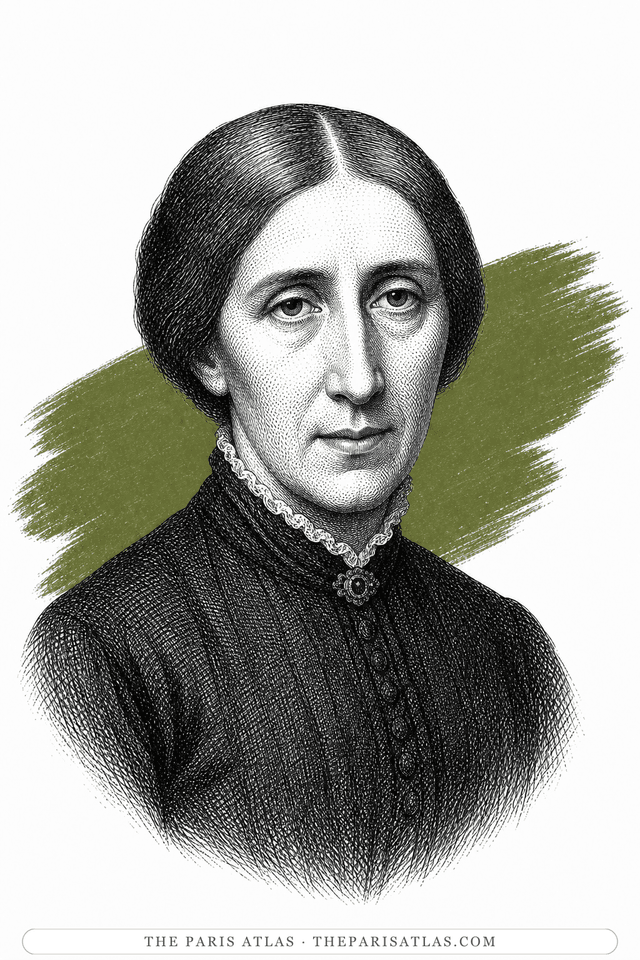
George Eliot
Mary Ann Evans, who wrote Middlemarch under a man's name because she was living openly with another woman's husband and knew what English readers would do with that. Her mind was formed in French and German: she translated Strauss and Feuerbach before she wrote a line of fiction, and the sight she most wanted in Paris was not a monument but the flat where Auguste Comte had lived.
View author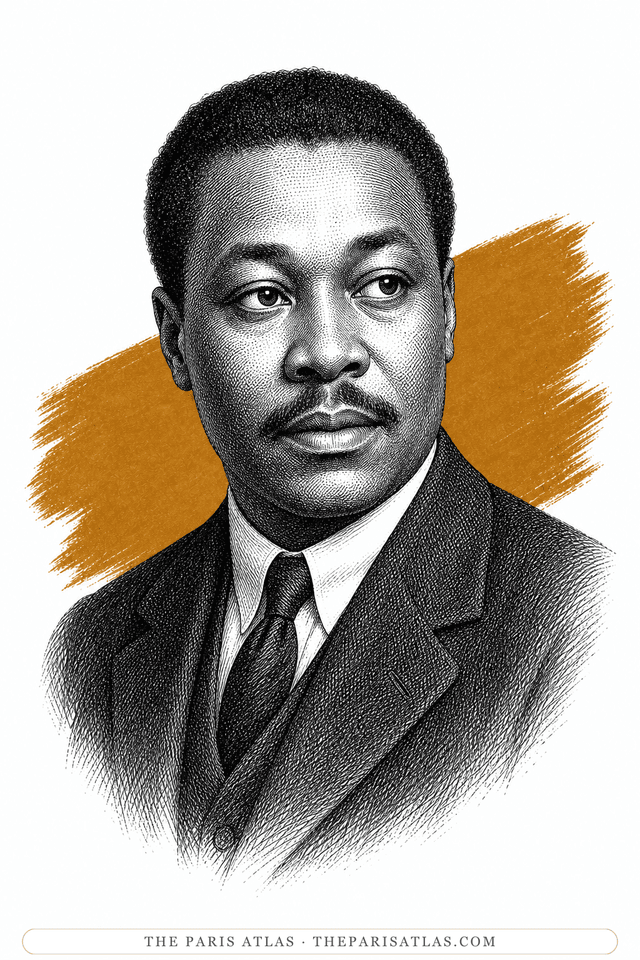
Claude McKay
Jamaican-born poet and novelist, and one of the essential writers of the Harlem Renaissance. He arrived in Paris from Moscow in 1923 and stayed in France until 1928, writing Home to Harlem there — and forming a low opinion of the rich, white expatriate scene that dominates most accounts of the period. His Paris is the same years as Hemingway's and almost nothing like it.
View author
Mark Twain
The Missouri newspaperman who became America's most famous writer, and whose first book made its reputation partly out of Paris: in 1867 he arrived with a shipload of American tourists, renamed his guide Ferguson, watched the high-kicking can-can through his fingers and wrote it all down. He kept coming back — and was living in Paris in the mid-1890s, broke, while finishing the novel he considered his best, Personal Recollections of Joan of Arc.
View author