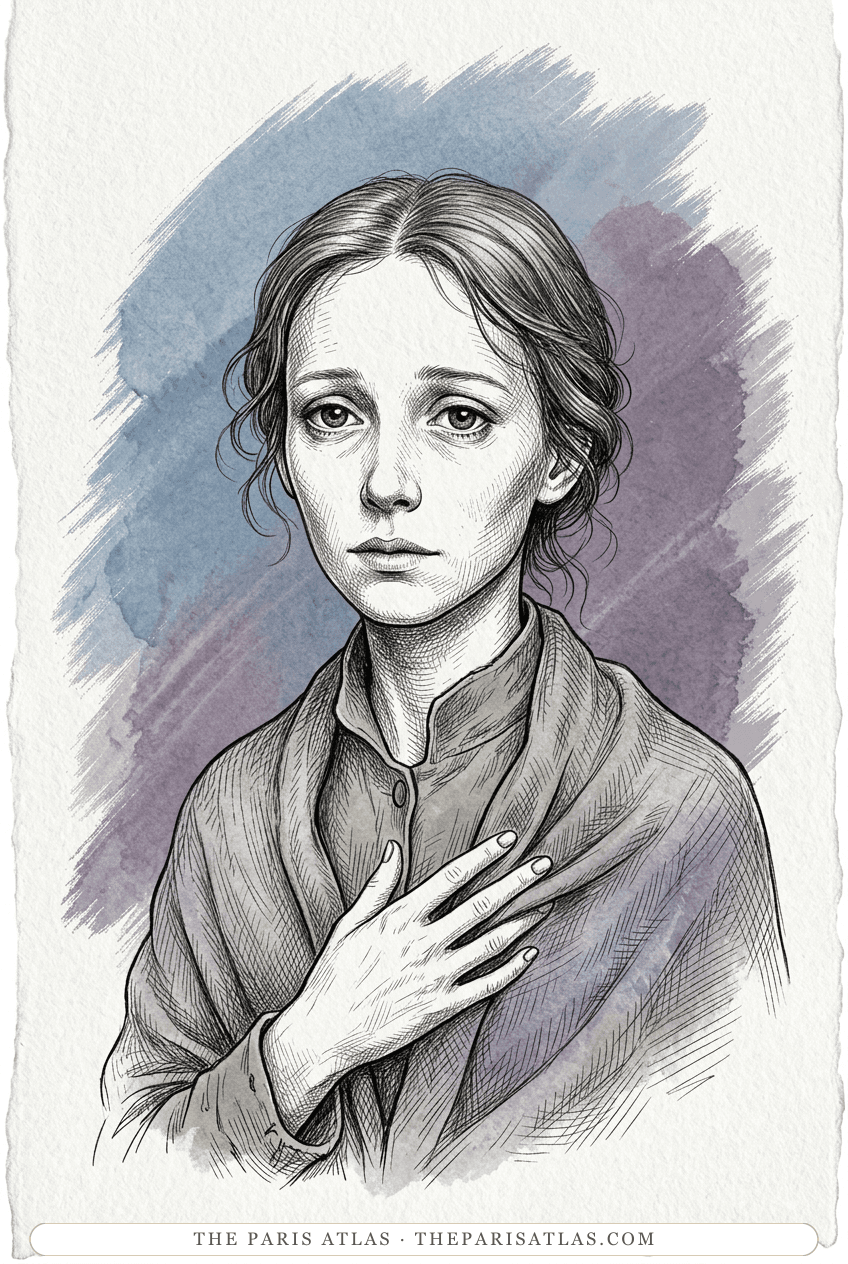
Barbara
Jamie's companion since childhood in a Highland village, dying slowly of a cough in an unheated Paris studio.
To be somewhere nobody knows them. Her plea to Jamie in Scotland is to be taken away, and that she will scrub floors if she has to.
The book

At a glance
- Book Five, in the Paris chapters
- Beedles, in the Scottish Highlands
- Barely nineteen when she and Jamie became lovers
- Her grandmother, the village post-mistress
- In Jamie's studio in Paris, in the room with the eye-shaped window
Who they are in the book
Spoiler-freeBarbara is Jamie's companion in The Well of Loneliness, the 1928 novel by the English writer Radclyffe Hall. She is fictional. The book calls her a wisp of a girl, very faithful and loving, and adds that she is all woman as far as anybody can detect, with a woman's clinging dependence on Jamie. She has tired, childish brown eyes.
The two of them grew up in the same Highland village and were lovers before either of them had any skill in words — Barbara barely nineteen, Jamie not quite twenty. They left because the village would not have it, and by the time Stephen Gordon meets them they are living in Paris on almost nothing while Jamie studies composition.
How Barbara Is Portrayed
- The two of them in the villageInseparable since childhood, the stronger child protecting the weaker at school and at play. Her grandmother, who raised her and was the village post-mistress, mistrusted the friendship and said so, and the neighbours agreed with her because she spoke with authority.
- The coughIt runs through her whole part in the book. It starts when she laughs too much, it starts when she and Jamie quarrel, and she waves it away every time with the word nothing. Adolphe Blanc, the one man at Valérie Seymour's who looks at people properly, hears it once and looks at her gravely.
- The losing fightFlakes of flue on the studio floor and thick dust filming the top of the piano. Hall's line is that it is strange so mean a thing as dust should in the end have been able to conquer her.
- What she will not acceptHelp. Mary Llewellyn strokes her thin hand and pleads to be allowed to do something; Stephen tells her outright to see a specialist. Barbara shakes her head both times.
- The word she uses at the endUnconscious by then, she opens her eyes once when Jamie comes close and says, "Is that you, my bairn?" Neither Stephen nor Mary has ever heard her call Jamie that before.
- The deathDouble pneumonia, and barely a struggle — life, the novel says, had left her no strength to repel this last foe. Just before it she kisses Jamie's hand and tries to speak the words of forgiveness for their quarrel, and cannot get them out.
If you like The Well of Loneliness


If you like Radclyffe Hall
Explore authors with a similar voice, perspective, and influence.
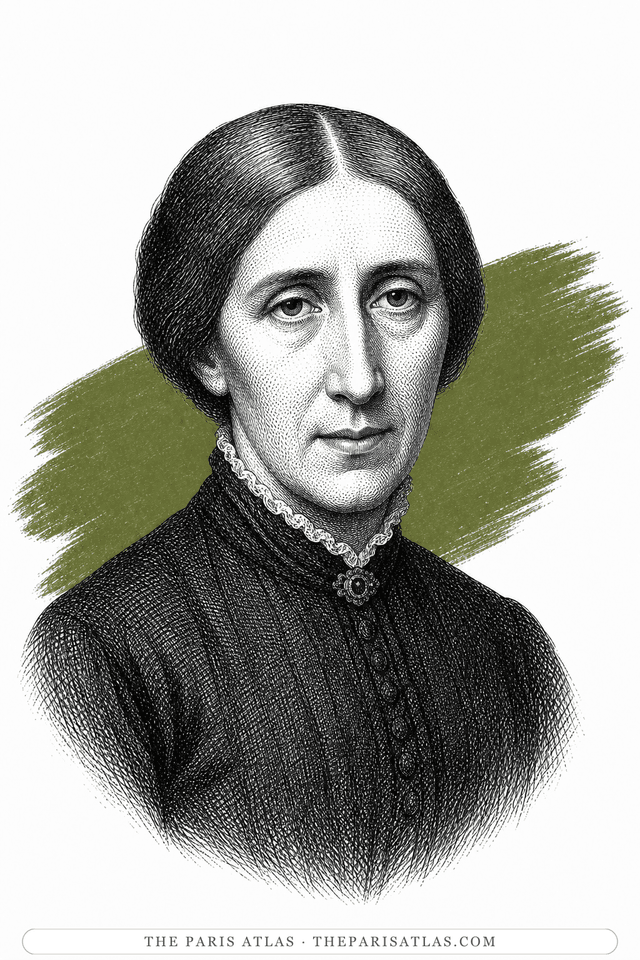
George Eliot
Mary Ann Evans, who wrote Middlemarch under a man's name because she was living openly with another woman's husband and knew what English readers would do with that. Her mind was formed in French and German: she translated Strauss and Feuerbach before she wrote a line of fiction, and the sight she most wanted in Paris was not a monument but the flat where Auguste Comte had lived.
View author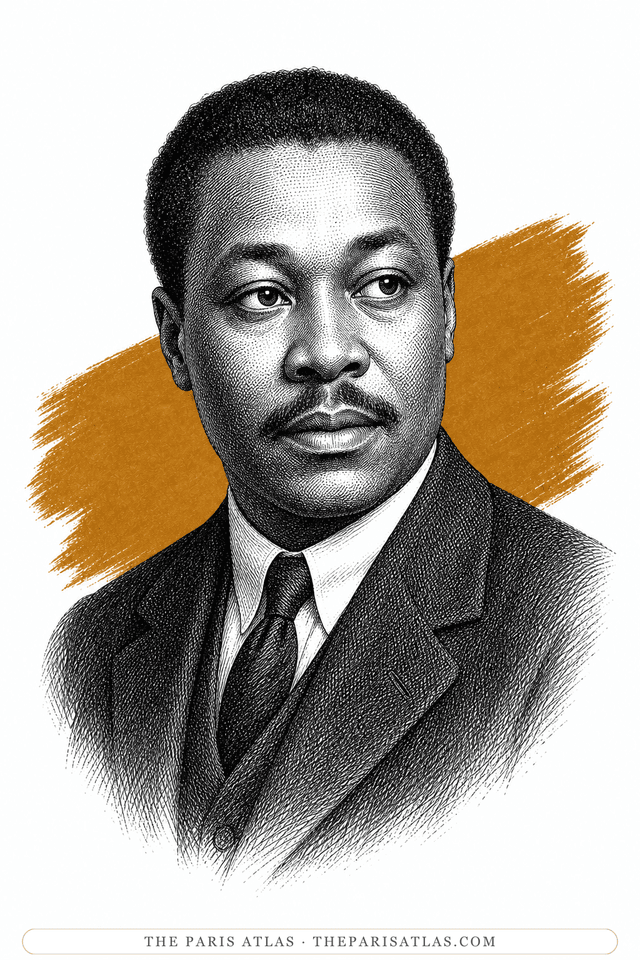
Claude McKay
Jamaican-born poet and novelist, and one of the essential writers of the Harlem Renaissance. He arrived in Paris from Moscow in 1923 and stayed in France until 1928, writing Home to Harlem there — and forming a low opinion of the rich, white expatriate scene that dominates most accounts of the period. His Paris is the same years as Hemingway's and almost nothing like it.
View author
Mark Twain
The Missouri newspaperman who became America's most famous writer, and whose first book made its reputation partly out of Paris: in 1867 he arrived with a shipload of American tourists, renamed his guide Ferguson, watched the high-kicking can-can through his fingers and wrote it all down. He kept coming back — and was living in Paris in the mid-1890s, broke, while finishing the novel he considered his best, Personal Recollections of Joan of Arc.
View author