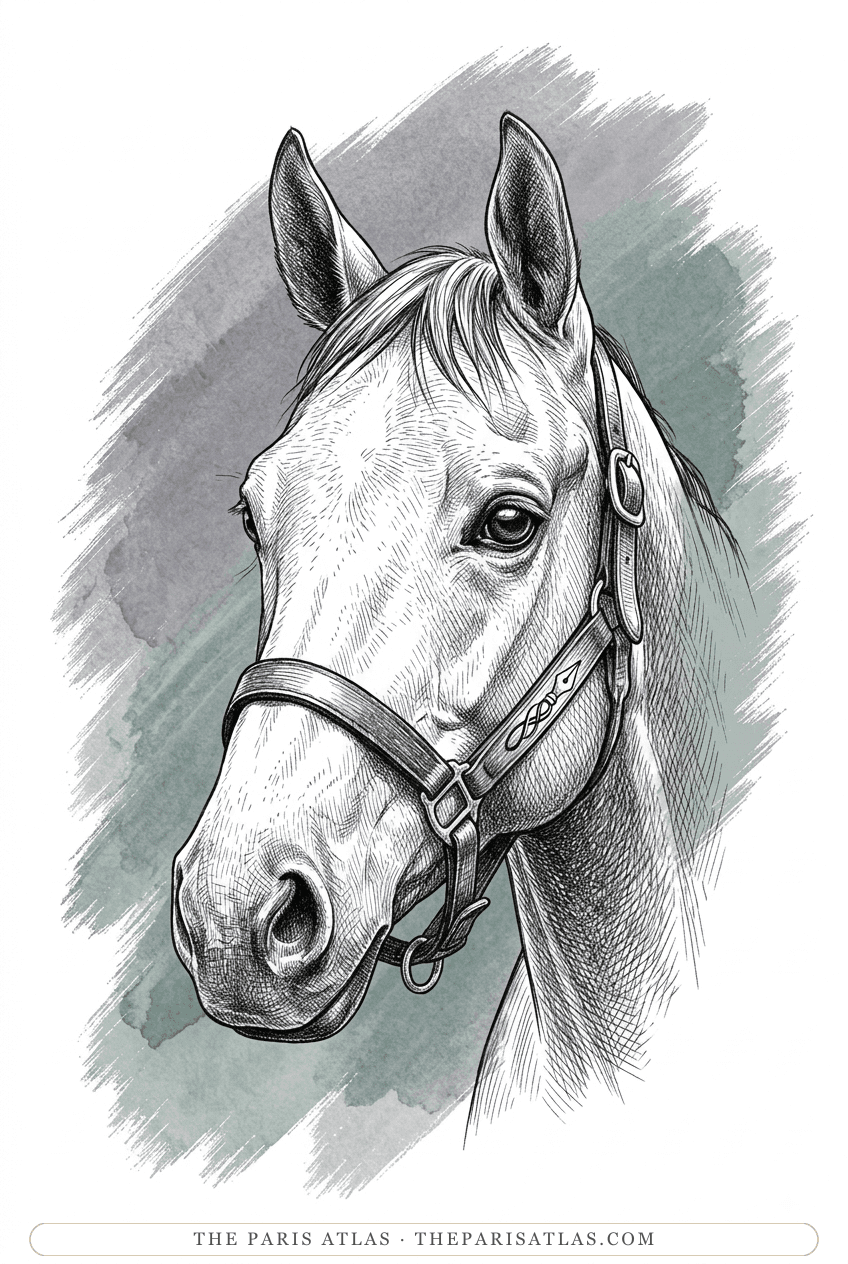
Raftery
Stephen Gordon's Irish hunter, bought for her at twelve and named after the poet, and the closest thing she has to a confidant for twenty years.
The book

At a glance
- Books One to Three
- From Ireland, when Stephen was twelve and he was five
- The blind Connacht poet Antoine Ó Raifteirí
- Grey
- At Morton, under rough granite, beside a hedge that grows wild for want of clipping
Who they are in the book
Spoiler-freeRaftery is Stephen Gordon's horse in The Well of Loneliness, the 1928 novel by the English writer Radclyffe Hall, and the book treats him as a character rather than as property. Sir Philip writes to Ireland for him after his daughter is mocked by a neighbour's son, and he arrives grey-coated and slender, with eyes the novel compares to an Irish morning.
He is named after Antoine Ó Raifteirí, the blind Connacht poet — a joke Stephen makes with the groom, who agrees that all the Irish are poets at heart and may pass the gift on to their horses. Raftery is five and Stephen is twelve when the novel has them pledge themselves to each other in his loose box, in what it calls a quiet language with very few words but many small sounds and small movements.
How Raftery Is Portrayed
- The pledgeAlone in the hay-scented stable, the book gives them each a line. Raftery says he will carry her bravely and serve her all the days of his life; Stephen says she will care for him night and day, all the days of his. It is the only conversation in the novel with no witnesses and no ambiguity.
- The hedge in the north paddockOn their first day out hunting the fox crosses Morton's big north paddock, where there is a mighty upstanding hedge with timber hidden in it. The two of them go straight at it and get safely over, and the novel says nobody who saw Raftery fly that hedge could afterwards doubt his valour.
- What Stephen tells himEverything. That she is hating her lessons and feels like a horse put into harness. That it is important to develop the brain because it gives you an advantage over people. Raftery, who is not thinking about the corn-bin, wants to tell her she is missing the truth and has no words for it.
- What the head groom thinks of himOld Williams, fifty years in stables, says he has never loved a beast like Raftery, and that he is no common horse but some sort of Christian, and a better one than a good few he knows of.
- How it endsHe goes lame in London, and Stephen shoots him herself. Asked about him afterwards she says it in five words and the questioner stops talking. The grave at Morton is a slab of rough granite: "In memory of a gentle and courageous friend, whose name was Raftery, after the poet." When Stephen goes back before the war, moss has half effaced the words.
If you like The Well of Loneliness


If you like Radclyffe Hall
Explore authors with a similar voice, perspective, and influence.
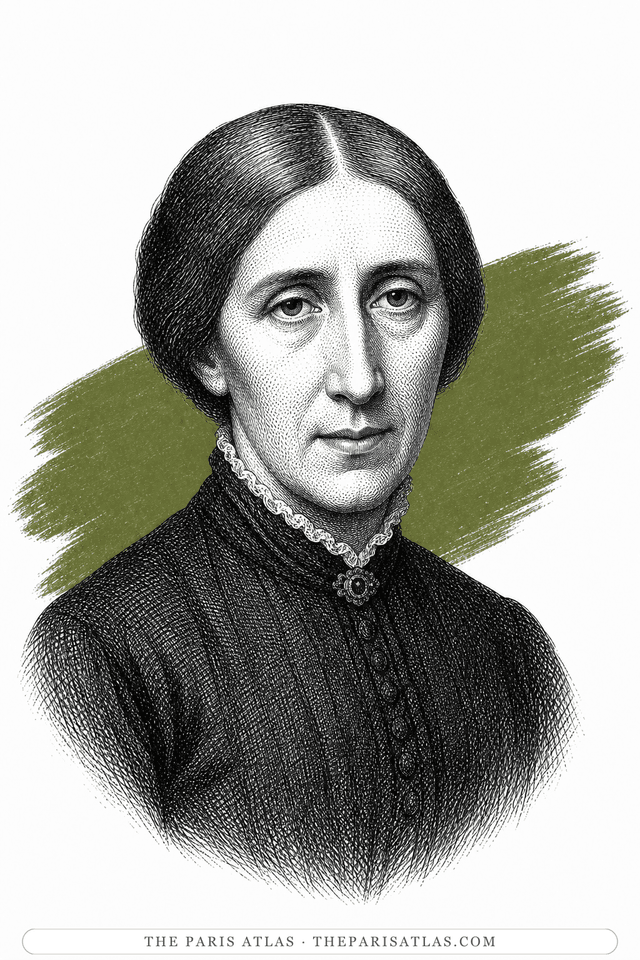
George Eliot
Mary Ann Evans, who wrote Middlemarch under a man's name because she was living openly with another woman's husband and knew what English readers would do with that. Her mind was formed in French and German: she translated Strauss and Feuerbach before she wrote a line of fiction, and the sight she most wanted in Paris was not a monument but the flat where Auguste Comte had lived.
View author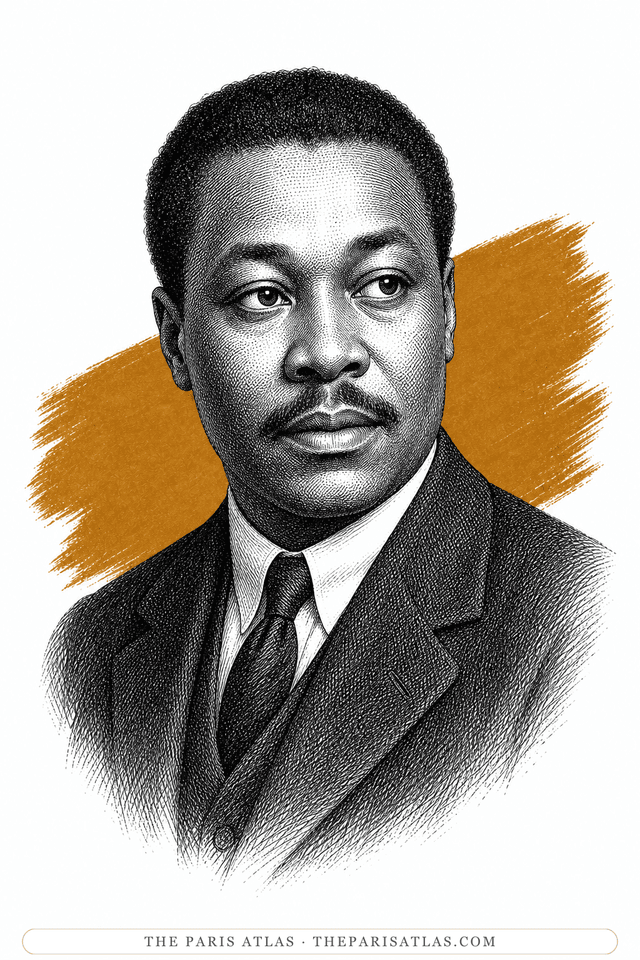
Claude McKay
Jamaican-born poet and novelist, and one of the essential writers of the Harlem Renaissance. He arrived in Paris from Moscow in 1923 and stayed in France until 1928, writing Home to Harlem there — and forming a low opinion of the rich, white expatriate scene that dominates most accounts of the period. His Paris is the same years as Hemingway's and almost nothing like it.
View author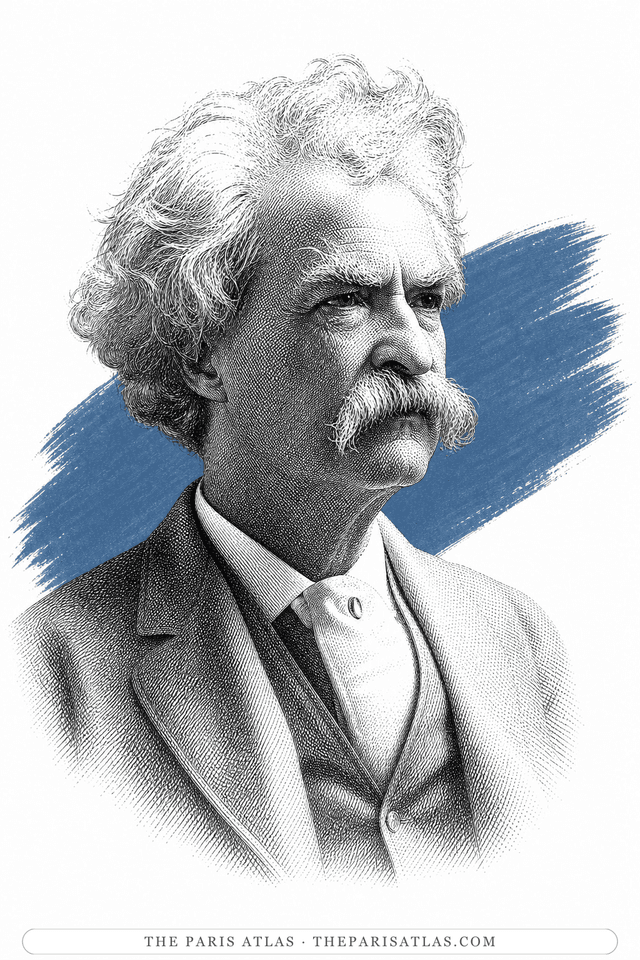
Mark Twain
The Missouri newspaperman who became America's most famous writer, and whose first book made its reputation partly out of Paris: in 1867 he arrived with a shipload of American tourists, renamed his guide Ferguson, watched the high-kicking can-can through his fingers and wrote it all down. He kept coming back — and was living in Paris in the mid-1890s, broke, while finishing the novel he considered his best, Personal Recollections of Joan of Arc.
View author