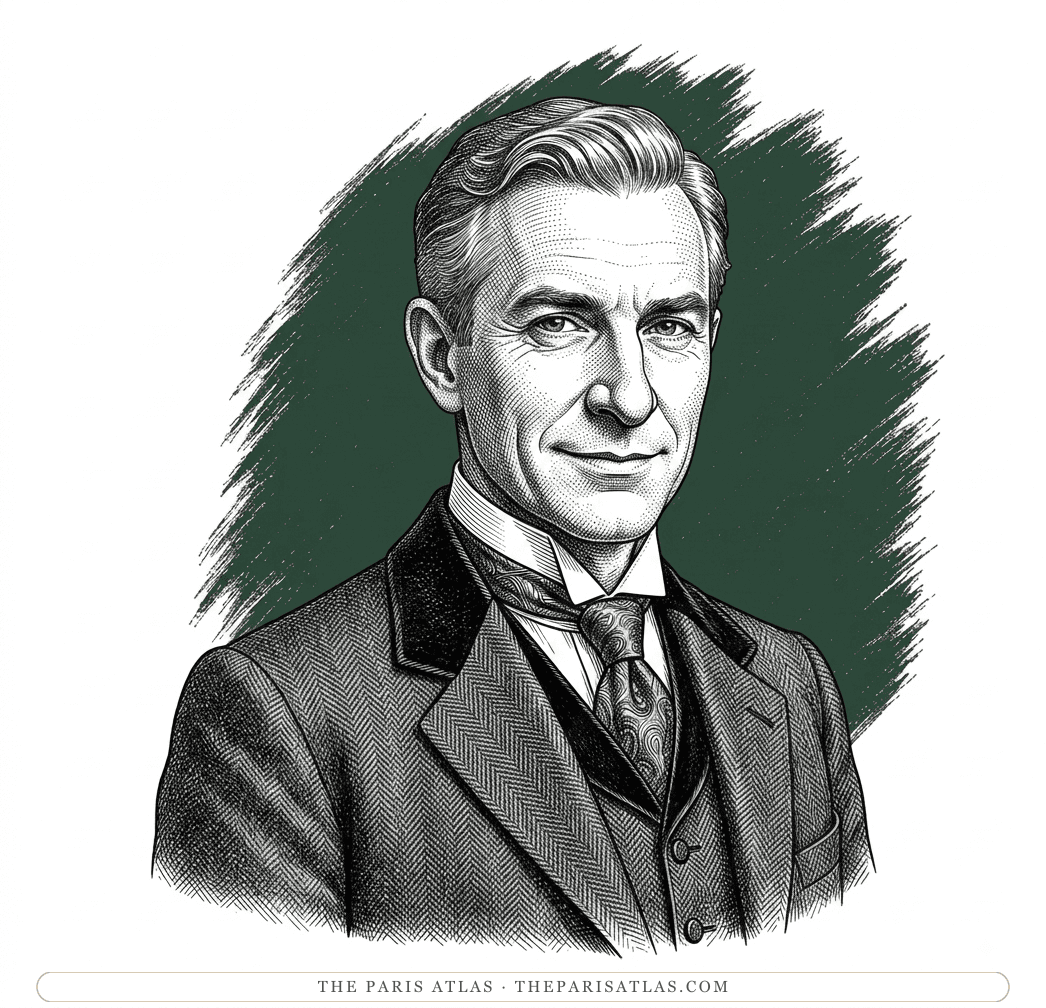
Jonathan Brockett
A successful London playwright, malicious and generous by turns, who takes Stephen Gordon to Paris and introduces her to the only people who will have her.
Other people's secrets, and material. Hall's image for it is that he squeezes a kind of emotional beef-tea out of everyone he meets, and drinks it to sustain his own inspiration.
The book

At a glance
- Books Three and Five
- Plays, fine ones, which appear whenever he is short of money
- Riding early in the Row, gross little black cigarettes, and dropping in unannounced
- A trifle too careful, with platinum cuff-links set with tiny diamonds — which Puddle disapproves of
- Takes her to Paris and introduces her to Valérie Seymour
Who they are in the book
Spoiler-freeJonathan Brockett is the playwright who attaches himself to Stephen Gordon in The Well of Loneliness, the 1928 novel by the English writer Radclyffe Hall. He is fictional. Stephen meets him at a Kensington luncheon party given by old family friends, of whom he is a connection, and he singles her out immediately.
He is tall, broad-shouldered and extremely thin, clean-shaven, with a slightly sardonic and disconcertingly clever face and sharp grey eyes that pry into everybody's secrets without shame. His hands are as white and soft as a woman's, and Stephen never gets used to them. His plays are fine, he almost never discusses them, and they appear on schedule whenever he has run out of money.
The novel states plainly what he is: himself an invert, secretly hating the world which he knew hated him in secret. He is the first person Stephen meets who knows what she is and does not mind, and the first who uses that knowledge on her.
How Jonathan Brockett Is Portrayed
- The handsWhite and soft, and they go so ill with the rest of him that Stephen feels a queer little sense of outrage looking at them. When he is in his worst mood they make small foolish gestures, his laugh goes high, and his movements shrink to the wrong size for his body.
- The dinner he brings with himHe arrives at Stephen's Chelsea flat late and loaded like a pack-mule, having raided Fortnum & Mason: lobster salad leaking through the box on to his new reindeer gloves, caramels, pâté, olives, a Camembert smelling loudly, and a bottle of ready-made cocktails. He puts on the parlourmaid's cap and apron, asks how he looks, upsets most of the salad, swears, and then sits on the floor giving orders while Stephen and the cook do the work.
- RafteryHe asks after the horse, and Stephen tells him Raftery went lame and she shot him. Brockett takes her hand without speaking and presses it, and the look in his eyes is genuinely sorrowful. Stephen's own reading of it is that he is borrowing her grief and will have forgotten it by tomorrow, which turns out to be true.
- VanishingHe goes to Paris without a word of warning when London gets on his nerves, does not say goodbye and does not write, and reappears months later taking up the conversation exactly where he dropped it. These lapses, the novel says, amount to a breach of good manners and must be accepted by anyone who accepts Brockett.
- How he shows Stephen he knowsIn Valérie Seymour's flat he launches into a torrent of gossip about people Stephen has never heard of — who has been deserted, who has run off to the Lido with whom. Stephen works out that the performance is for her benefit, so that both she and their hostess will understand that he knows what she is, and cannot decide whether to be outraged or relieved.
- What he is for in ParisHe shows her the tourist's city first — the Louvre, the Eiffel Tower, Montmartre, the Rue de la Paix — and keeps the less simple pastures for later, always provided his interest lasts. Puddle, who dislikes him thoroughly and calls him vicious and cynical in her own mind, is grateful to him anyway, because he is the only thing keeping Stephen from thinking about England.
If you like The Well of Loneliness


If you like Radclyffe Hall
Explore authors with a similar voice, perspective, and influence.
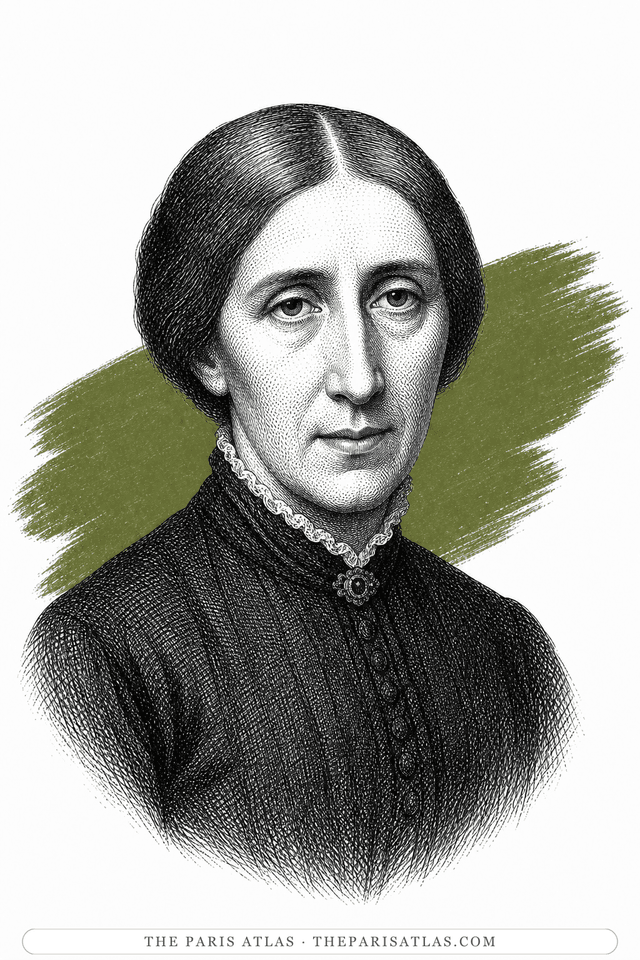
George Eliot
Mary Ann Evans, who wrote Middlemarch under a man's name because she was living openly with another woman's husband and knew what English readers would do with that. Her mind was formed in French and German: she translated Strauss and Feuerbach before she wrote a line of fiction, and the sight she most wanted in Paris was not a monument but the flat where Auguste Comte had lived.
View author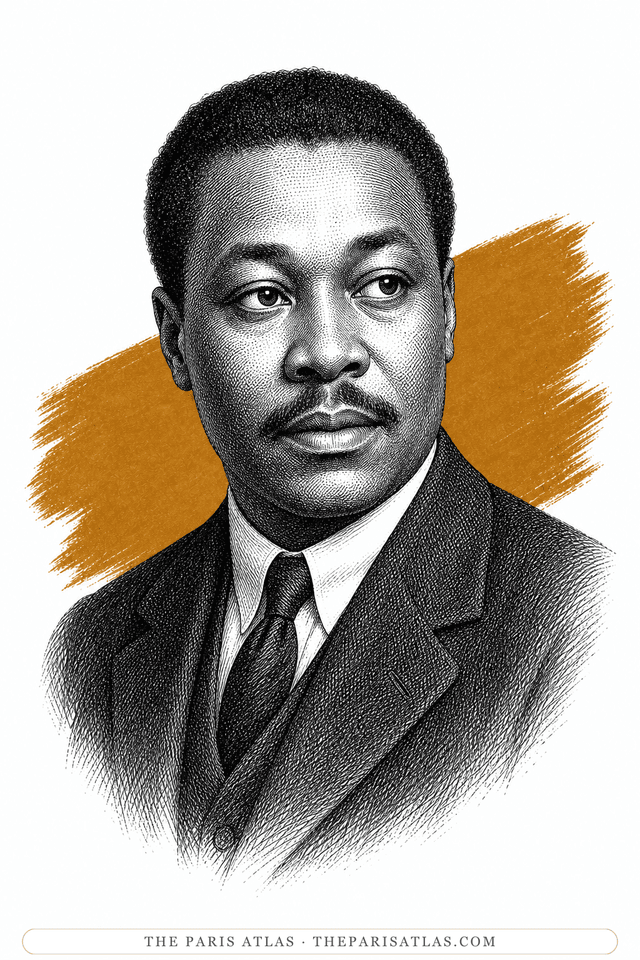
Claude McKay
Jamaican-born poet and novelist, and one of the essential writers of the Harlem Renaissance. He arrived in Paris from Moscow in 1923 and stayed in France until 1928, writing Home to Harlem there — and forming a low opinion of the rich, white expatriate scene that dominates most accounts of the period. His Paris is the same years as Hemingway's and almost nothing like it.
View author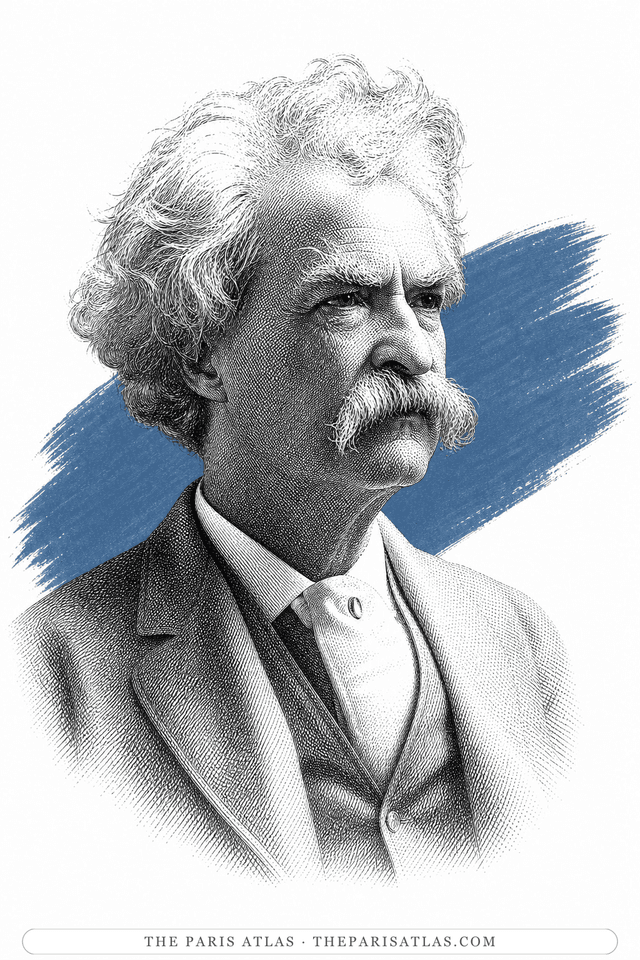
Mark Twain
The Missouri newspaperman who became America's most famous writer, and whose first book made its reputation partly out of Paris: in 1867 he arrived with a shipload of American tourists, renamed his guide Ferguson, watched the high-kicking can-can through his fingers and wrote it all down. He kept coming back — and was living in Paris in the mid-1890s, broke, while finishing the novel he considered his best, Personal Recollections of Joan of Arc.
View author