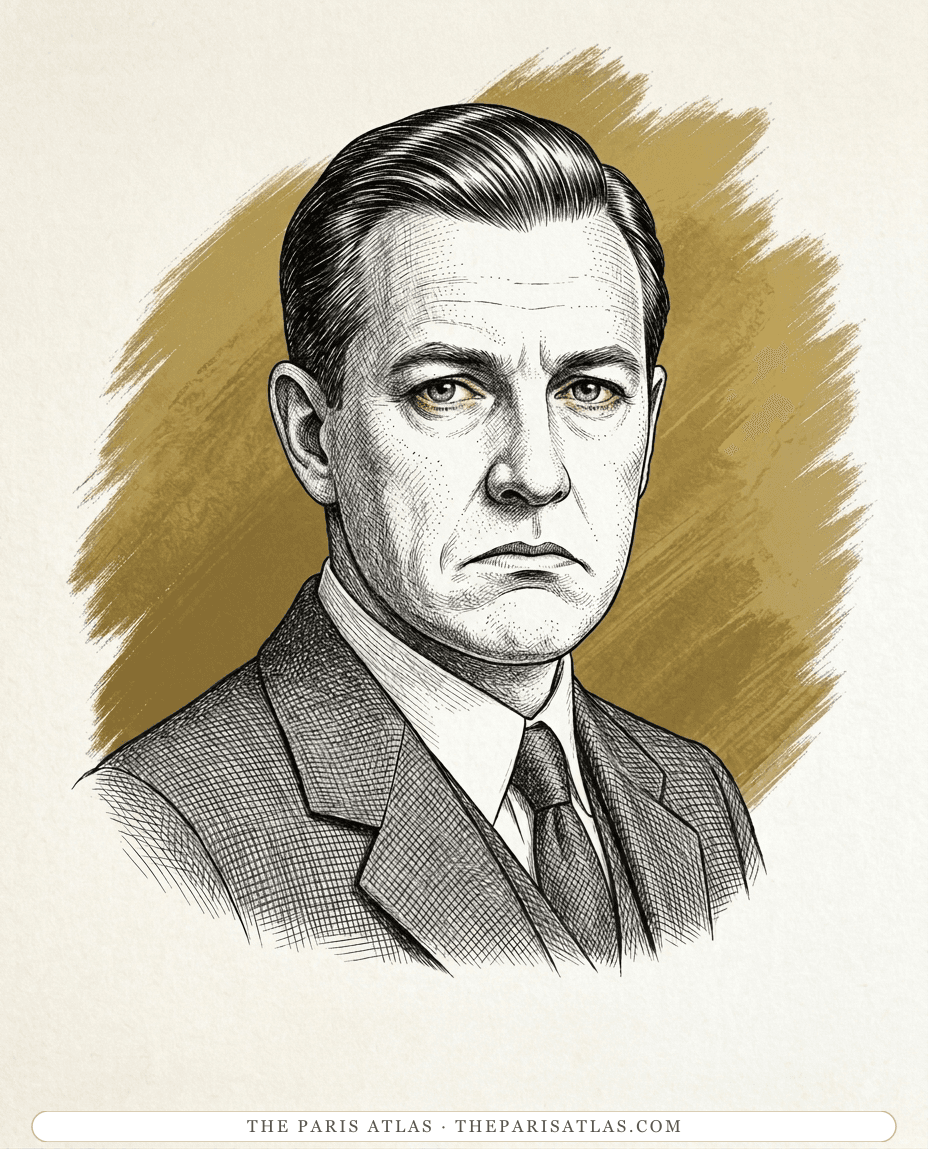
Ralph Crossby
Angela's husband, a retired Birmingham manufacturer with a peevish mouth, who reads Stephen Gordon's love letter and posts a copy to her mother.
To be treated as somebody. He resents the county, the county resents him, and he takes it out on his wife in a high-pitched, fretful voice about the state of lunch.
The book

At a glance
- Book Two
- An important Birmingham magnate in a hardware concern, retired for his health
- The Grange, near Upton-on-Severn
- Angela Crossby, whom he suspects of Roger Antrim and believes about Stephen
Who they are in the book
Spoiler-freeRalph Crossby is Angela Crossby's husband in The Well of Loneliness, the 1928 novel by the English writer Radclyffe Hall. He is fictional. He was an important Birmingham magnate who has retired from a hardware concern on account of his health, or so the gossip runs, and he has bought The Grange near Upton-on-Severn, a small and very perfect Tudor house sold off to clear a dead owner's debts.
He is one of those indefinite men who are neither short nor tall, fat nor thin, old nor young, good-looking nor actually ugly. His wife's own summary of him is "plain man". His two distinctive features are that everything about him looks aggressively new — including his hair, which shines as though polished — and that his mouth is intensely peevish.
How Ralph Crossby Is Portrayed
- How the county reads himBy its own standards he bounds. His subscription to the Hunt was a paltry five guineas, sent with a letter saying his poor health precluded his hunting and that he hoped the Hunt would keep clear of his coverts. That an American wife said to have been an actress came with him did not help.
- The first time Stephen sees himStanding in his own doorway in an immaculate grey tweed suit, complaining that it is past two and lunch is ruined, that the dog has been fighting again, and that his wife has got herself bitten. He goes on nagging as though nobody else were present, then remembers to thank Stephen for the lift in a tone she finds distinctly ungracious.
- What he does with the letterReads it slowly, while his weak little eyes go scarlet and puffy all over their lids, and then turns and spits on the ground. What follows is every filthy invective he learned in the slums of his youth and later in the workshops, plus a wish that the stake were still available.
- The threatHe tells his wife he will hound Stephen out of the county and with luck out of England, and that he would do the same to her if he thought there had ever been anything between the two women. He adds that if any reforming is wanted next time he will see to it himself, with an axe.
- The letter he writes insteadStiff and clerical: he takes up his pen with deep repugnance, will not permit Stephen to enter his house or his wife to visit Morton, encloses a copy of the girl's letter, and notes that his wife is returning the two costly presents Miss Gordon gave her.
If you like The Well of Loneliness


If you like Radclyffe Hall
Explore authors with a similar voice, perspective, and influence.
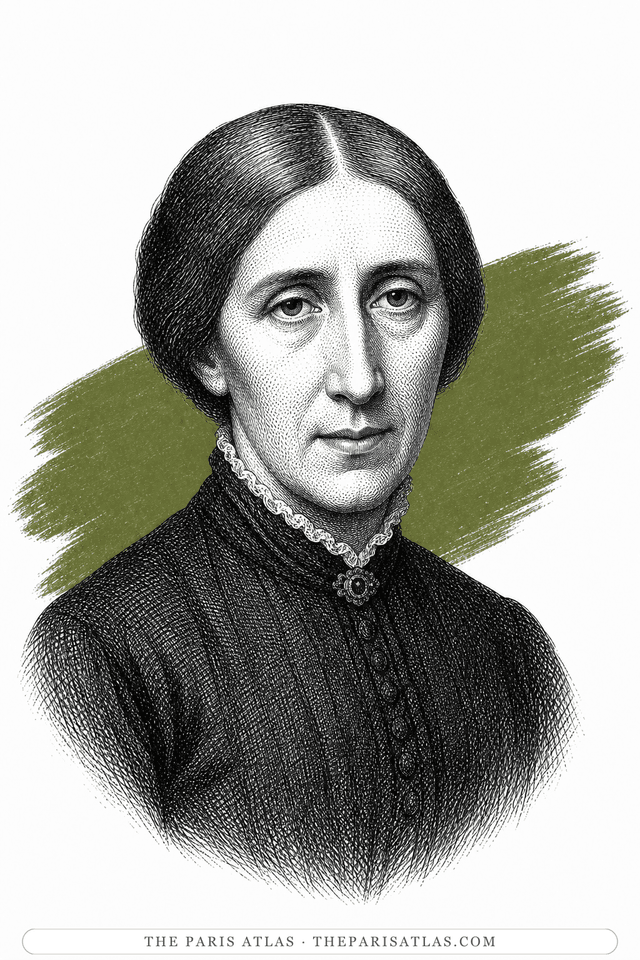
George Eliot
Mary Ann Evans, who wrote Middlemarch under a man's name because she was living openly with another woman's husband and knew what English readers would do with that. Her mind was formed in French and German: she translated Strauss and Feuerbach before she wrote a line of fiction, and the sight she most wanted in Paris was not a monument but the flat where Auguste Comte had lived.
View author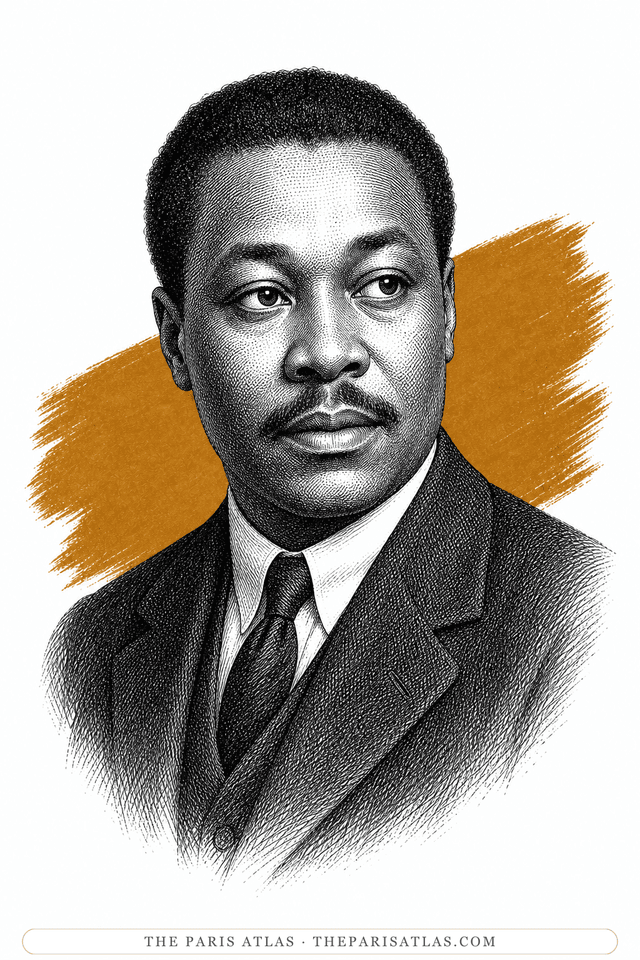
Claude McKay
Jamaican-born poet and novelist, and one of the essential writers of the Harlem Renaissance. He arrived in Paris from Moscow in 1923 and stayed in France until 1928, writing Home to Harlem there — and forming a low opinion of the rich, white expatriate scene that dominates most accounts of the period. His Paris is the same years as Hemingway's and almost nothing like it.
View author
Mark Twain
The Missouri newspaperman who became America's most famous writer, and whose first book made its reputation partly out of Paris: in 1867 he arrived with a shipload of American tourists, renamed his guide Ferguson, watched the high-kicking can-can through his fingers and wrote it all down. He kept coming back — and was living in Paris in the mid-1890s, broke, while finishing the novel he considered his best, Personal Recollections of Joan of Arc.
View author