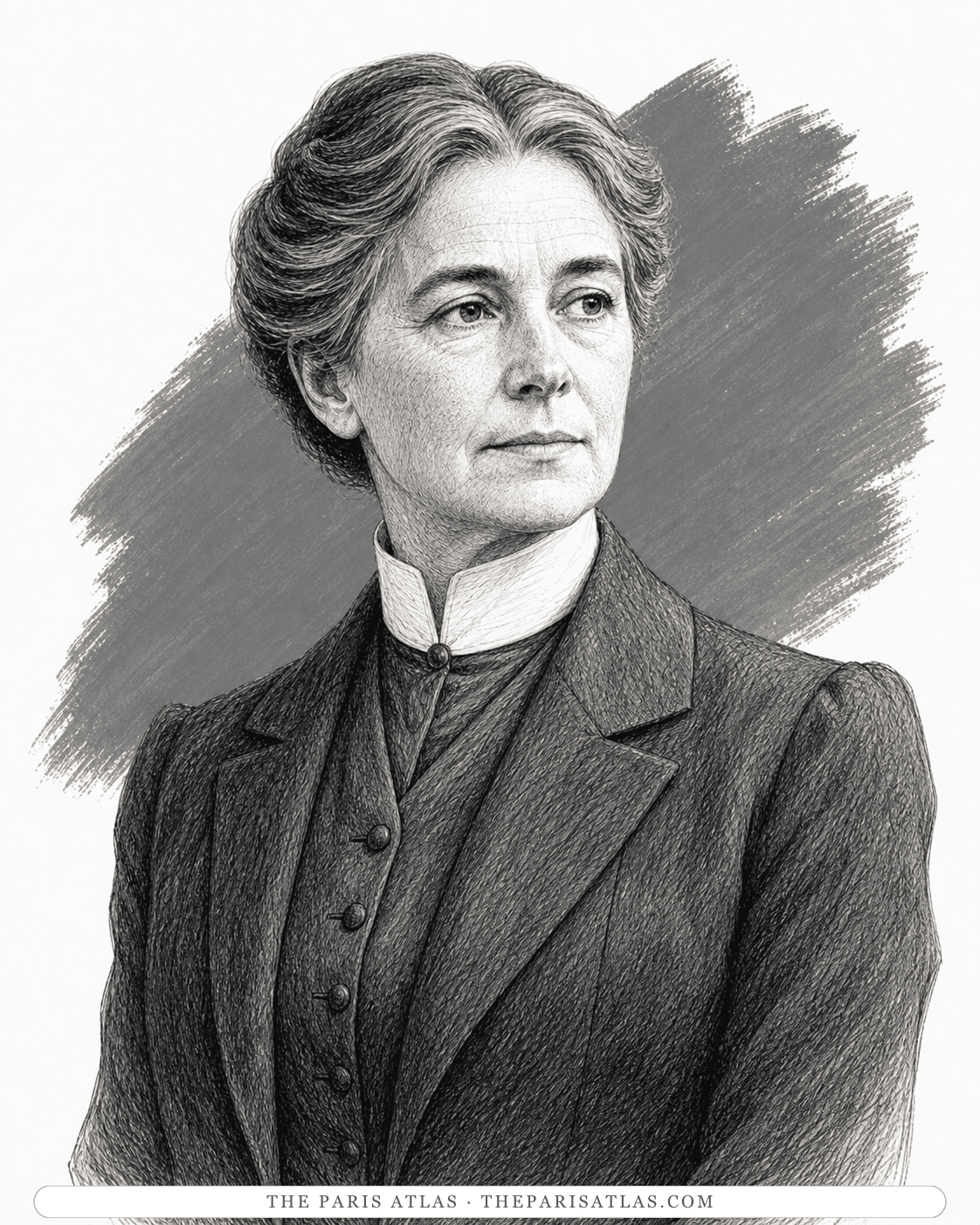
Miss Puddleton ("Puddle")
Stephen Gordon's governess, an Oxford-trained classicist the size of a small box, who knows what Stephen is because she is the same, and never once says so directly.
To make Stephen strong enough to survive what is coming, and to have the work she can no longer do herself done by someone who can. She tells her pupil that she has to make her have backbone, and later that just because she is what she is she may find she has an advantage, and can write with a curious double insight.
The book

At a glance
- Arrives in Book One and is still there at the end
- Uncertain; middle-aged when she arrives and feeling old by Paris
- Oxford, which is the reason Sir Philip hired her
- Greek, Latin, mathematics, algebra, Roman and Greek history, geometry, botany
- A sister in Cornwall she writes to at Christmas and neglects the rest of the year
- With Stephen, in 1912 or thereabouts, and does not go back until Stephen asks her to
Who they are in the book
Spoiler-freeMiss Puddleton is the governess who arrives at Morton when Stephen Gordon is fourteen, in The Well of Loneliness, the 1928 novel by the English writer Radclyffe Hall. She is fictional, and she is the person who stays. Stephen shortens her name to Puddle within weeks, and the book uses that from then on.
She is tiny and square — square shoulders, square hips, a flat square line of bosom, square toes to her shoes — of uncertain age, with iron-grey hair and grey eyes, invariably dressed in dark grey. Her face is charming when she smiles and hard when she does not. She has been to Oxford, teaches Greek, Latin, mathematics and Roman history, and pins a large time-sheet to the schoolroom blackboard because, as she tells her pupil, her own brain will not stand that degree of disorder.
She is also, though the novel never has her use the word about herself, an invert. She says so obliquely on the worst night of Stephen's life, and everything she does for the next twenty years follows from it: she leaves Morton with Stephen, keeps house with her in London and Paris, and pushes her to write.
How Miss Puddleton ("Puddle") Is Portrayed
- What she looks likeA little grey figure at the schoolroom table, so square all over that Hall compares her to a miniature box neatly spliced at the corners. Everything about her is tiny except the aggressiveness of her chin.
- How she takes chargeWithin two months the schoolroom has not a book out of place, the dumb-bells are paired off in the box lounge, and there is a time-sheet on the blackboard. Her line to Stephen, repeated so often that it becomes a refrain in the book, is that the books cannot walk to the bookcase but she can, so she may as well take them with her.
- The teachingShe has, the novel says, the genius of teaching: she makes her pupil share her own excitement about Greek, which she calls terrible and splendid like the sea, and finds a real talent for composition underneath the athlete. She sits up alone in her bedroom rereading Stephen's exercises and privately concludes that the girl is up against the world and does not know it.
- Being called PuddleStephen calls her a midge and then apologises. Miss Puddleton answers that she does not mind and that Stephen may call her Puddle if she likes. Stephen tells her later that she is comfortable to be with, like a nice chair — small, but with room to stretch.
- The speech she never givesIn Book Two she works herself up to telling Stephen that she knows, and rehearses it: "You're neither unnatural, nor abominable, nor mad; you're as much a part of what people call nature as anyone else; only you're unexplained as yet—you've not got your niche in creation." She loses her nerve, says none of it, and lets the girl go on believing she is a monster. It is the passage readers wrote to Hall about for the rest of her life.
- The night at the bookcaseShe finds Stephen on the floor of the study after the row with Anna, rocking and repeating the verse about the mark set upon Cain, and says: "Where you go, I go, Stephen. All that you're suffering at this moment I've suffered. It was when I was very young like you—but I still remember." It is the closest the book lets her come to saying it outright.
- What it has cost herAlone in a Paris hotel she works out that she has spent twelve years toiling down a road with no turning, an ageing woman herself unfulfilled, and that the day will come when Stephen's courage fails too. Her private view of the alternatives — loneliness, or a life of guarded opinions, guarded actions and lies of omission — is the most direct statement of the book's argument, and she thinks it rather than says it.
If you like The Well of Loneliness


If you like Radclyffe Hall
Explore authors with a similar voice, perspective, and influence.
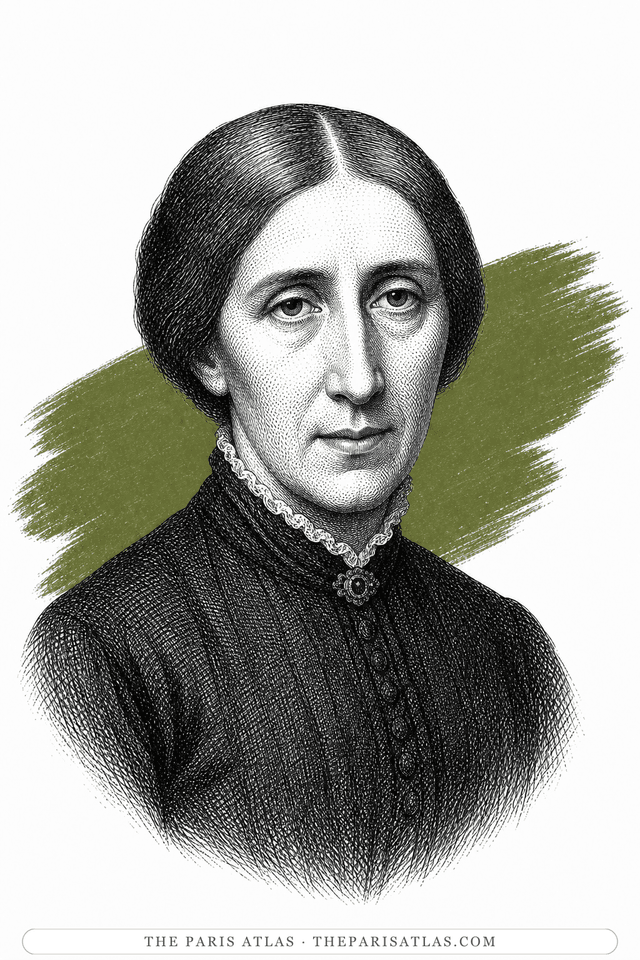
George Eliot
Mary Ann Evans, who wrote Middlemarch under a man's name because she was living openly with another woman's husband and knew what English readers would do with that. Her mind was formed in French and German: she translated Strauss and Feuerbach before she wrote a line of fiction, and the sight she most wanted in Paris was not a monument but the flat where Auguste Comte had lived.
View author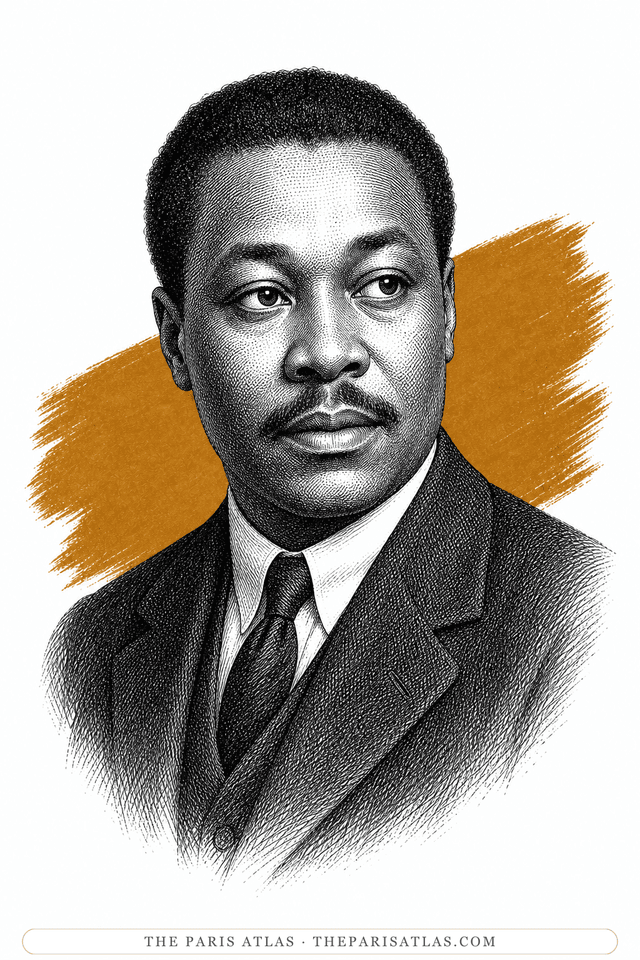
Claude McKay
Jamaican-born poet and novelist, and one of the essential writers of the Harlem Renaissance. He arrived in Paris from Moscow in 1923 and stayed in France until 1928, writing Home to Harlem there — and forming a low opinion of the rich, white expatriate scene that dominates most accounts of the period. His Paris is the same years as Hemingway's and almost nothing like it.
View author
Mark Twain
The Missouri newspaperman who became America's most famous writer, and whose first book made its reputation partly out of Paris: in 1867 he arrived with a shipload of American tourists, renamed his guide Ferguson, watched the high-kicking can-can through his fingers and wrote it all down. He kept coming back — and was living in Paris in the mid-1890s, broke, while finishing the novel he considered his best, Personal Recollections of Joan of Arc.
View author