Collins
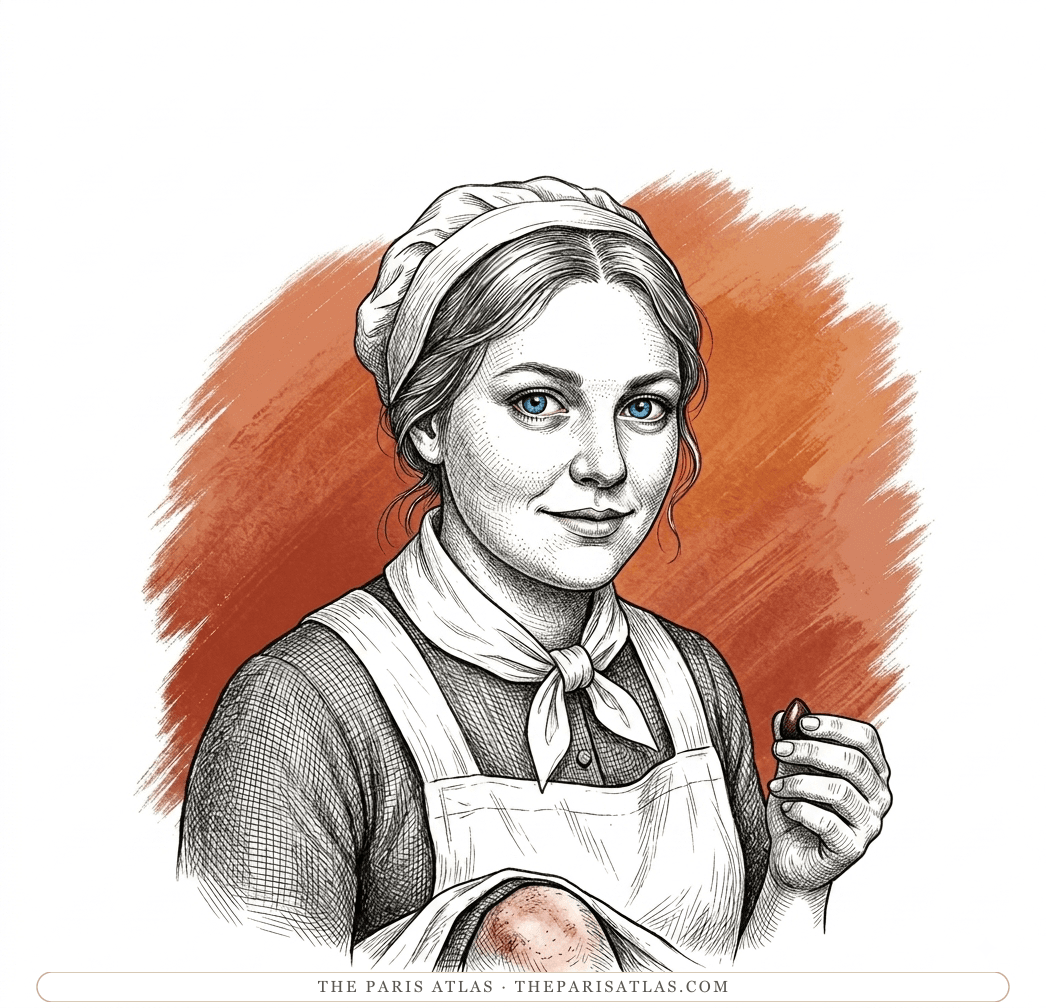
The housemaid at Morton, second of three, with whom Stephen Gordon falls in love at the age of seven.
Promotion, and the new footman. She keeps her place by lying when a superior servant challenges her, and she takes Stephen's chocolate drops because she likes them.
The book

At a glance
- Book One, chapters two and three
- Twenty, and rather ample for it
- Second of three housemaids at Morton
- Stephen renames her fat hunting pony Collins, which is how the name survives in the book
Who they are in the book
Spoiler-freeCollins is a housemaid at Morton and the first person Stephen Gordon loves in The Well of Loneliness, the 1928 novel by the English writer Radclyffe Hall. She is fictional. She is twenty, florid, full-lipped and full-bosomed, with unusually blue and arresting eyes, and she is what the household calls second of three, which means she may one day hope for promotion.
Stephen has walked past her sweeping the stairs for two years without noticing her. One morning Collins looks up and smiles, and the novel gives the seven-year-old a staggering revelation. The affair, such as it is, lasts one spring and ends with a broken flower pot.
How Collins Is Portrayed
- The dirty nailsStephen reaches out to stroke her sleeve; Collins picks up the hand, exclaims at the state of the nails, and Stephen bolts upstairs to cut them. When the nurse comes down to upbraid her, Collins invents a story on the spot in which Stephen showed her the nails herself. Stephen hears the lie, is appalled by the injustice of it, and finds she loves her anyway.
- The housemaid's kneeShe rolls down a coarse woollen stocking in the night-nursery to display a blotchy swollen knee, presses the dent to show the water, and says it may mean a horrible operation and that it all comes from polishing the floors. It is the most intimate conversation of Stephen's childhood.
- What Stephen does about itPrays for three weeks to be given the knee instead, and when that fails, kneels on the nursery carpet in twenty-minute stretches until her own knees are raw. Shown the results, Collins is thoroughly shocked, says it is wicked, and then hugs the child.
- The dressing-upShe plays along with Stephen in costume, particularly as Nelson, calling the cook in to admire. Afterwards she and the cook agree between themselves that the child is a queer fish, always dressing herself up and play-acting.
- The end of itThe new footman tells her to stop the kid hanging around in case she blabs, so Collins turns cold. Stephen finds the two of them in the potting shed, watches him drag her towards him by the wrists and kiss her, and throws a broken flower pot into his face hard enough to open his cheek. Sir Philip sends them both away the next day.
If you like The Well of Loneliness


If you like Radclyffe Hall
Explore authors with a similar voice, perspective, and influence.
George Eliot
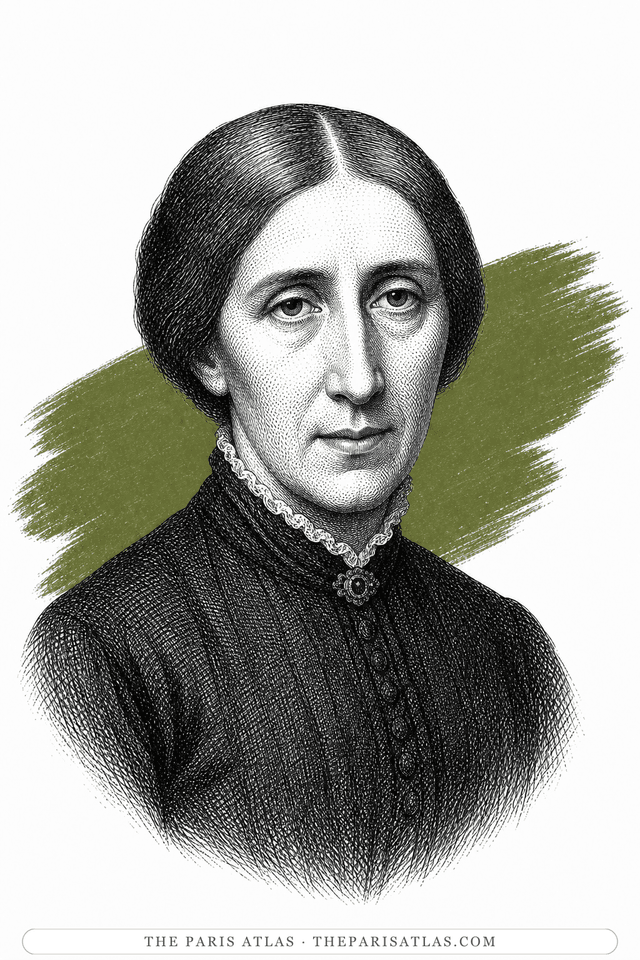
Mary Ann Evans, who wrote Middlemarch under a man's name because she was living openly with another woman's husband and knew what English readers would do with that. Her mind was formed in French and German: she translated Strauss and Feuerbach before she wrote a line of fiction, and the sight she most wanted in Paris was not a monument but the flat where Auguste Comte had lived.
View author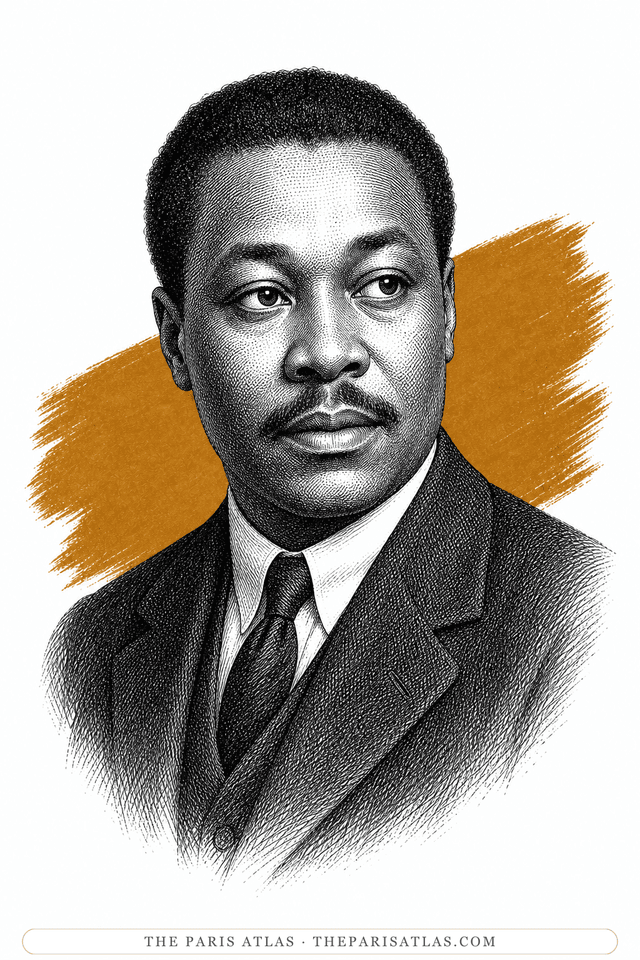
Claude McKay
Jamaican-born poet and novelist, and one of the essential writers of the Harlem Renaissance. He arrived in Paris from Moscow in 1923 and stayed in France until 1928, writing Home to Harlem there — and forming a low opinion of the rich, white expatriate scene that dominates most accounts of the period. His Paris is the same years as Hemingway's and almost nothing like it.
View author
Mark Twain
The Missouri newspaperman who became America's most famous writer, and whose first book made its reputation partly out of Paris: in 1867 he arrived with a shipload of American tourists, renamed his guide Ferguson, watched the high-kicking can-can through his fingers and wrote it all down. He kept coming back — and was living in Paris in the mid-1890s, broke, while finishing the novel he considered his best, Personal Recollections of Joan of Arc.
View author