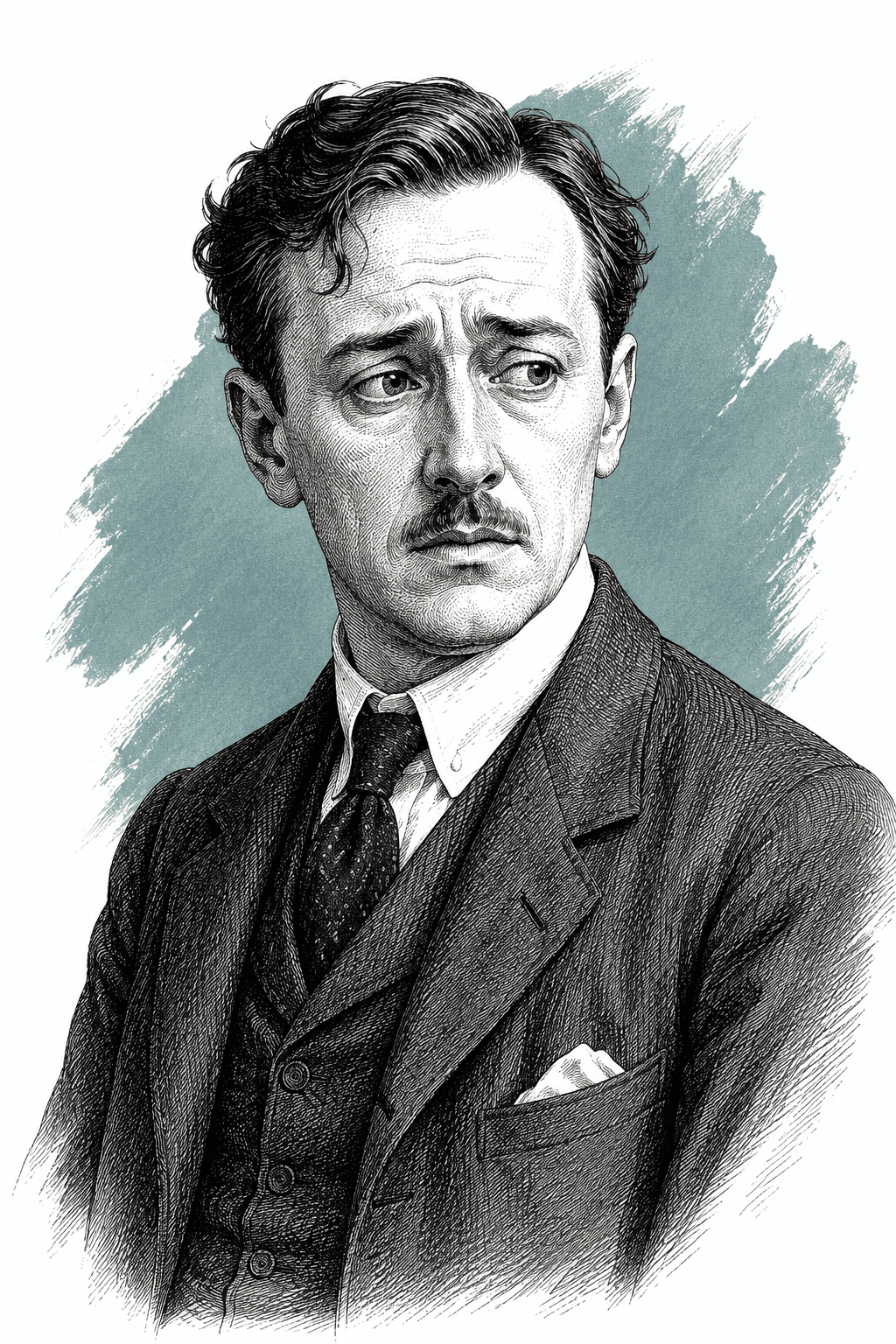
Bob Doran
The lodger in "The Boarding House" who has gone too far with the landlady's daughter, and spends one Sunday morning working out that he has no way back.
To stay single. "His instinct urged him to remain free, not to marry. Once you are married you are done for, it said."
The book

At a glance
- A character in "The Boarding House", the seventh story
- Thirty-four or thirty-five
- Thirteen years in the office of a great Catholic wine merchant
- A room at Mrs Mooney's, Hardwicke Street, at fifteen shillings a week
- His own room, the staircase, and the parlour where Mrs Mooney is waiting for him
- He reappears in Ulysses, married to Polly and on his annual drinking bout
Who they are in the book
Spoiler-freeBob Doran is a character in "The Boarding House", the seventh of the fifteen stories in Dubliners, the 1914 collection by the Irish writer James Joyce. He is thirty-four or thirty-five, has spent thirteen years in the office of a large Catholic wine merchant, and lodges at Mrs Mooney's boarding house in Dublin. Something has happened between him and Polly Mooney, the landlady's nineteen-year-old daughter, and by the morning the story takes place every lodger in the house knows about it.
He is the serious one among the young men there, not rakish or loud-voiced like the others, which is exactly why Mrs Mooney reckons her chances are good. Joyce gives him the longest stretch of interior thought in the story and uses it to show a man arguing himself into something he does not want. He can price what marrying Polly will cost him socially and what refusing will cost him professionally, and he works the sum both ways for several pages while the pressure closes in from three directions at once.
How Bob Doran Is Portrayed
- The Sunday morningHe has tried twice to shave and given up because his hand is too unsteady. Three days' reddish beard fringes his jaws, and every two or three minutes a mist gathers on his glasses so that he has to take them off and polish them with his handkerchief.
- The confessionHe went to a priest the night before, and the memory of it is a cause of acute pain to him. The priest drew out every ridiculous detail of the affair and in the end so magnified his sin that he was almost thankful at being offered a loophole of reparation.
- What he stands to loseThirteen years of service. He can hear his employer's rasping voice in his imagination calling for him, and he knows Dublin is a small enough city that the story will reach the office. All his industry and diligence thrown away, he thinks.
- The younger man he wasHe sowed his wild oats, boasted of his free-thinking and denied the existence of God to his companions in public houses. He still buys a copy of Reynolds's Newspaper every week, but he attends to his religious duties and for nine-tenths of the year lives a regular life.
- What he holds against herHer father is disreputable, her mother's house is beginning to get a certain fame, and she is a little vulgar: sometimes she says "I seen" and "If I had've known." Then he asks himself what grammar would matter if he really loved her, and cannot settle whether to like her or despise her.
- Jack Mooney on the stairsGoing down to the parlour he passes Polly's brother coming up from the pantry with two bottles of stout. They salute coldly, and his eyes rest for a second or two on a thick bulldog face and a pair of thick short arms. He remembers the night Jack nearly broke up a party over a free remark somebody made about Polly.
- What he would rather do"He longed to ascend through the roof and fly away to another country where he would never hear again of his trouble, and yet a force pushed him downstairs step by step."
The story never shows the interview. Doran goes down the stairs polishing his glasses, passes Jack Mooney, and the scene cuts away to Polly waiting upstairs; the last line is her mother calling up that Mr Doran wants to speak to her. He has agreed to marry her. Every pressure in the story pushed the same way — the priest, the employer, the brother with the short thick arms, and the landlady who had counted all of it before she sent for him — and Joyce spends nine pages making sure the reader sees that Doran's own judgement was the only thing that could have stopped it.
Joyce reported on the marriage a decade later. In Ulysses, Bob Doran appears as a maudlin drunk on his once-a-year bender, and the Dubliners who talk about him treat the match as a trap that closed on him years before.
If you like Dubliners


If you like James Joyce
Explore authors with a similar voice, perspective, and influence.
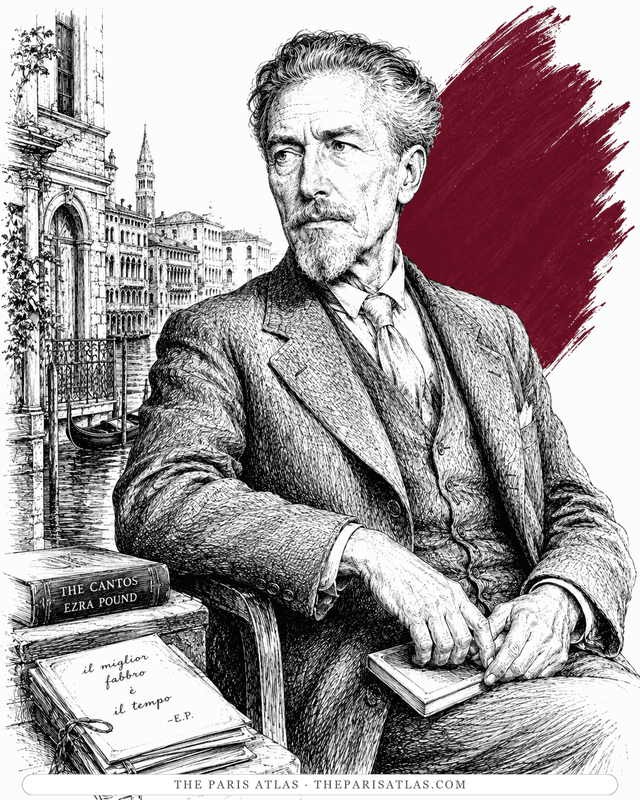
Ezra Pound
The impresario who dragged Joyce's early books into print, brought him to Paris, and championed Ulysses until the world caught up.
View author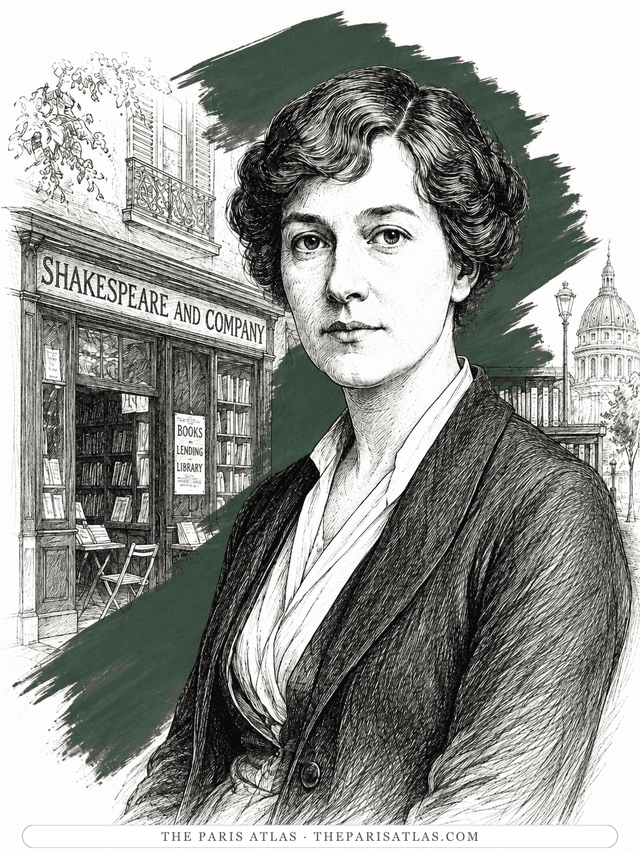
Sylvia Beach
His publisher of last resort and first devotion — the bookseller who printed Ulysses when no one else would.
View author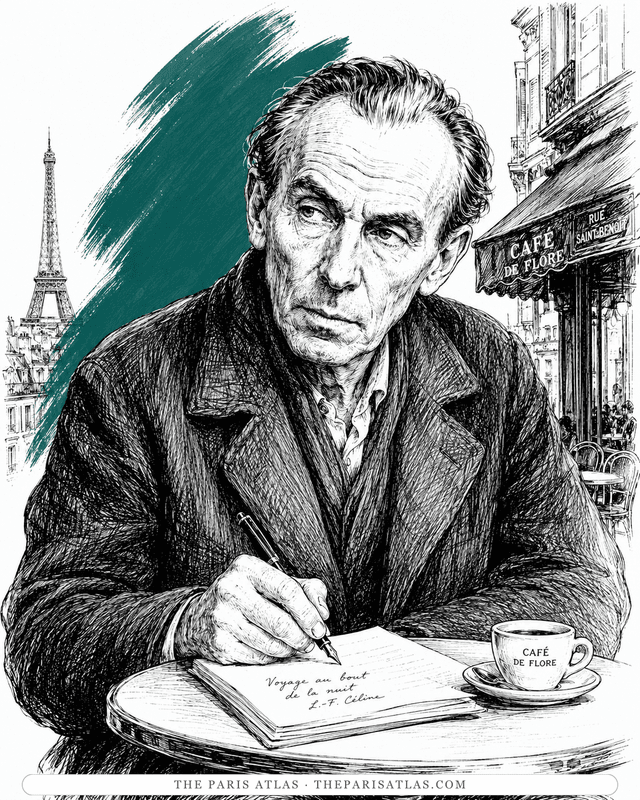
Louis-Ferdinand Céline
The doctor of the Paris slums who wrote the century's blackest, funniest novel — and changed the sound of French prose.
View author