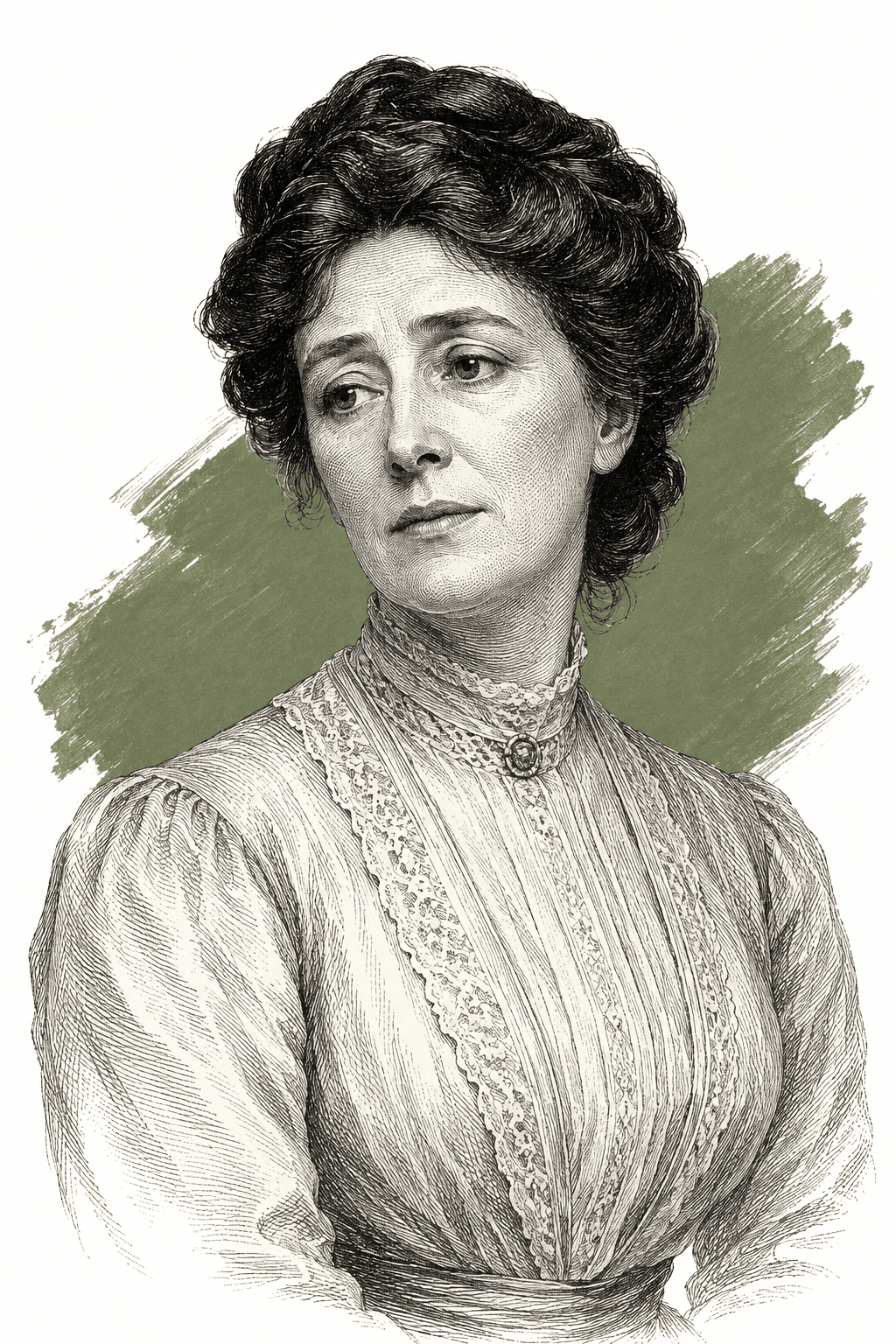
Mrs Emily Sinico
The captain's wife in "A Painful Case" who becomes Mr Duffy's one friend, and whose death he reads about in an evening paper four years later.
To be let close to someone. "With almost maternal solicitude she urged him to let his nature open to the full: she became his confessor."
The book

At a glance
- A character in "A Painful Case", the eleventh story
- Forty-three at the inquest; when they met Duffy judged her a year or so younger than himself
- Married to Captain Sinico, of Leoville, Sydney Parade; one daughter, Mary, who teaches music
- Captain of a mercantile boat plying between Dublin and Holland
- The Rotunda, a concert in Earlsfort Terrace, her cottage outside Dublin, and the Phoenix Park
- Leopold Bloom remembers going to her funeral in Ulysses
Who they are in the book
Spoiler-freeMrs Emily Sinico is a character in "A Painful Case", the eleventh of the fifteen stories in Dubliners, the 1914 collection by the Irish writer James Joyce. She lives at Sydney Parade, outside Dublin, with a daughter who gives music lessons. Her husband captains a merchant boat that runs between Dublin and Holland and is away most of the time.
At a badly attended concert she speaks first to the man sitting beside her — a bank cashier named Mr James Duffy who has no friends and has arranged his life so as not to need any — and out of that remark comes the only close friendship either of them has had. She listens to his opinions for months, urges him to write them down, and gradually gives back facts about her own life. The story is told entirely from his side, so most of what the reader learns about her comes either through his eyes or, at the end, through a newspaper report.
How Mrs Emily Sinico Is Portrayed
- How she starts itShe speaks first, in a thinly peopled hall at the Rotunda: "What a pity there is such a poor house tonight! It's so hard on people to have to sing to empty benches." Duffy takes it as an invitation to talk and is surprised that she seems so little awkward.
- Her faceOval, with strongly marked features that must once have been handsome and have stayed intelligent. Her eyes are very dark blue and steady; the gaze starts defiant and is then confused by what seems a deliberate swoon of the pupil into the iris, showing for an instant a temperament of great sensibility.
- Her householdA husband at sea for long stretches and a daughter out giving lessons. Captain Sinico encouraged Duffy's visits because he assumed the interest was in his daughter; he had dismissed his wife so completely from his own pleasures that it did not occur to him anyone else would take an interest in her.
- What the friendship is made ofHe lends her books, provides her with ideas and shares his intellectual life with her. She listens to all of it. In return she gives out some fact of her own life now and then, and many times lets the dark fall in the room rather than light the lamp.
- The night it endsAfter an evening in which she has shown every sign of unusual excitement she catches up his hand and presses it to her cheek. He is very much surprised, stays away a week, and then writes asking her to meet him.
- The partingThree hours walking the roads of the Park in cold autumn weather, at the end of which he tells her that every bond is a bond to sorrow. Near the tram she begins to tremble so violently that he says goodbye quickly and leaves her. A few days later a parcel arrives at his house with his books and music in it.
- What the inquest hears about herHer husband testifies that they had been married twenty-two years and lived happily until about two years earlier, when she began to be intemperate in her habits. Her daughter testifies that her mother had lately taken to going out at night to buy spirits, and that she had persuaded her to join a temperance league.
Four years after the parting, Mr Duffy reads a short report in an evening paper. Mrs Sinico, aged forty-three, was killed at Sydney Parade station trying to cross the line in front of the slow ten o'clock train from Kingstown. A porter saw her, ran and shouted, and could not reach her before the buffer caught her. The house surgeon told the inquest that her injuries were not sufficient to have caused death in a normal person and that death was probably due to shock and sudden failure of the heart's action. The jury returned a verdict in accordance with the medical evidence, cleared the driver and blamed nobody. The railway company's representative noted that she had been in the habit of crossing the lines late at night and that, in view of certain other circumstances of the case, he did not think the officials were to blame. That is as close as the story comes to saying what happened, and it goes no further.
Duffy's reaction is the rest of the story, and it moves in two stages. His first response is disgust — that she had degraded herself and, in doing so, degraded him — and he has no difficulty now approving the course he took four years earlier. Then, over two hot punches and a walk up Magazine Hill, it turns. He asks himself why he withheld life from her, understands how lonely her evenings must have been, and arrives at the sentence he cannot get round: one human being had seemed to love him, and he had denied her life and happiness. The story leaves him alone in the Park, no longer able to feel her anywhere near him.
If you like Dubliners


If you like James Joyce
Explore authors with a similar voice, perspective, and influence.
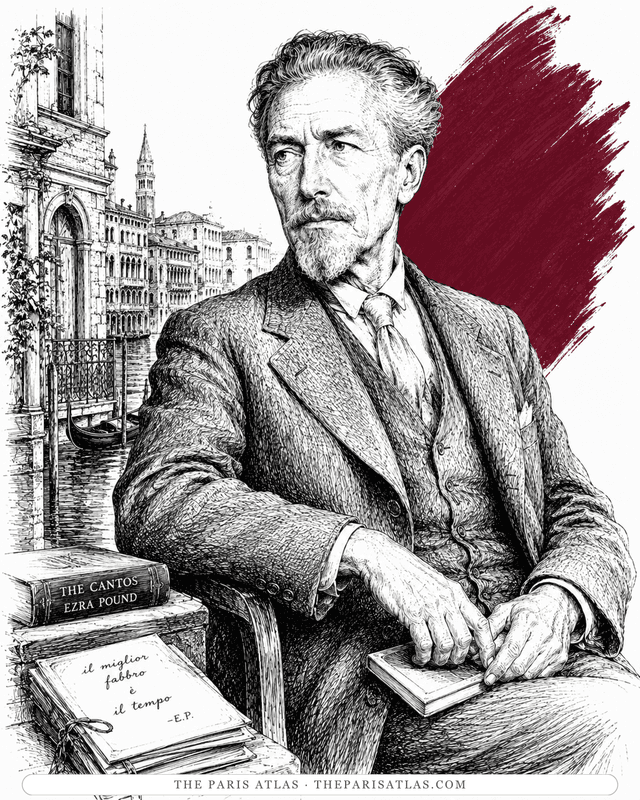
Ezra Pound
The impresario who dragged Joyce's early books into print, brought him to Paris, and championed Ulysses until the world caught up.
View author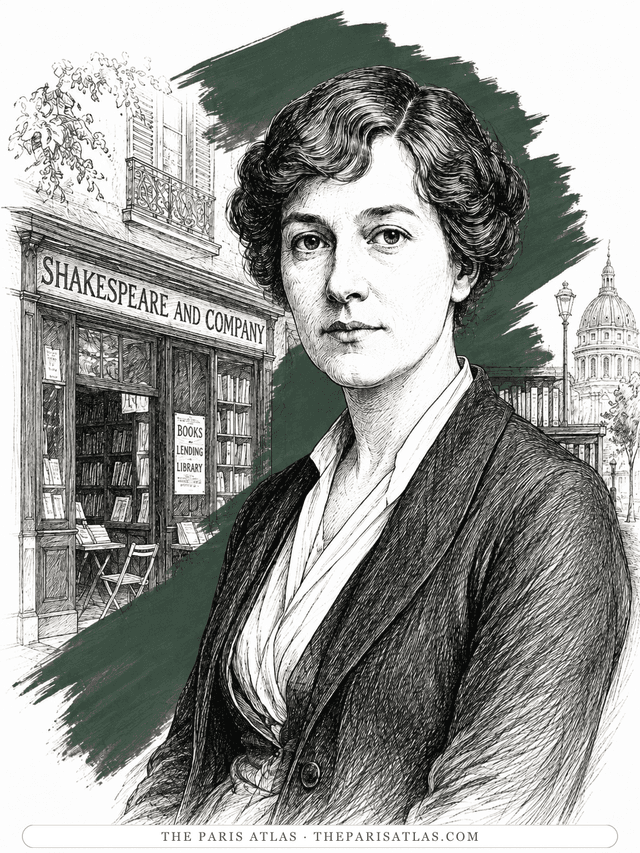
Sylvia Beach
His publisher of last resort and first devotion — the bookseller who printed Ulysses when no one else would.
View author
Louis-Ferdinand Céline
The doctor of the Paris slums who wrote the century's blackest, funniest novel — and changed the sound of French prose.
View author