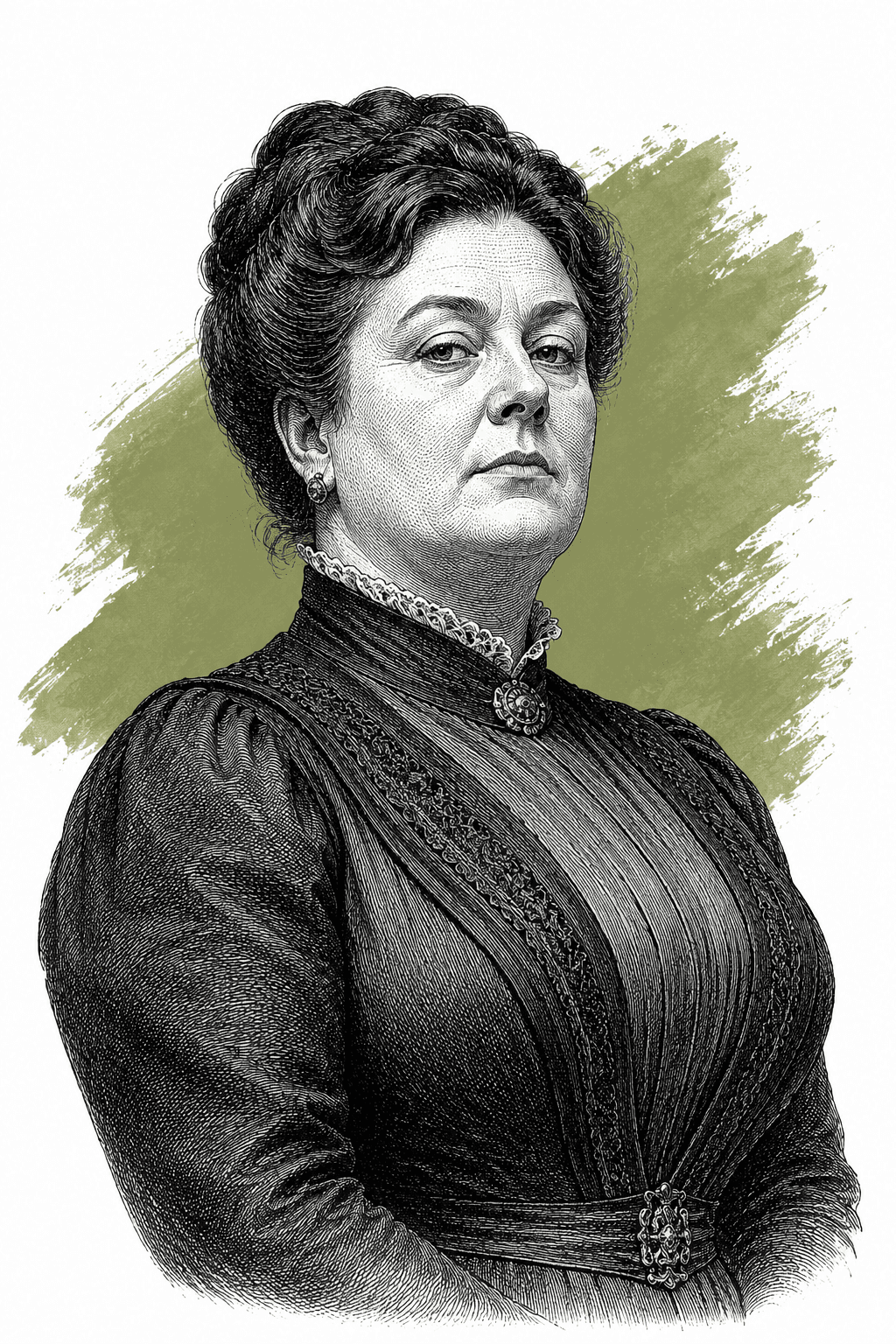
Mrs Mooney
The landlady in "The Boarding House", known to her lodgers as The Madam, who finds out what her daughter and one of them have been up to and takes her time.
Marriage, not a payoff. The story is blunt about it: "For her only one reparation could make up for the loss of her daughter's honour: marriage."
The book

At a glance
- The subject of "The Boarding House", the seventh story
- Keeps a boarding house in Hardwicke Street, Dublin
- The Madam, by all the resident young men
- Separated from Mr Mooney, a sheriff's man; a son Jack, and a daughter Polly
- Fifteen shillings a week for board and lodgings, beer or stout at dinner excluded
- Mr Bob Doran, thirty-four or thirty-five, thirteen years with a Catholic wine merchant
Who they are in the book
Spoiler-freeMrs Mooney is the subject of "The Boarding House", the seventh of the fifteen stories in Dubliners, the 1914 collection by the Irish writer James Joyce. She was a butcher's daughter who married her father's foreman. When her father died the husband drank the business into the ground and one night came at her with a cleaver; she went to a priest, got a separation and the care of the children, and took what money was left to open a boarding house in Hardwicke Street.
The house takes tourists, music-hall performers and city clerks, and the young men who live there call her The Madam. Her nineteen-year-old daughter Polly does the housework and flirts with the lodgers. When something starts between Polly and a serious lodger in his mid-thirties, Mrs Mooney says nothing at all for a long time, and then, one Sunday morning, moves.
How Mrs Mooney Is Portrayed
- How the story sums her up"She dealt with moral problems as a cleaver deals with meat: and in this case she had made up her mind." The comparison is not decorative — her father was a butcher and so was she.
- How she runs the houseCunningly and firmly. She knows when to give credit, when to be stern and when to let a thing pass. Fifteen shillings a week for board and lodging, beer and stout at dinner not included.
- The small economiesShe has the servant collect the crusts and broken bread from breakfast to make Tuesday's bread pudding, and she puts the sugar and butter under lock and key before she sits down to think.
- The waitingShe noticed the affair early, watched the pair and kept her own counsel while the whole house began to talk. She intervened only when she judged it to be the right moment — after her daughter had grown strange in her manner and the young man was visibly frightened.
- Counting the cardsShe goes through her advantages one by one: she is an outraged mother, he is thirty-four or thirty-five so youth is no excuse, he has been thirteen years in a great Catholic wine merchant's office and publicity would cost him the job, and she suspects he has money put by.
- The clockShe checks the gilt clock on the mantelpiece — seventeen minutes past eleven — and works out that she has time to settle the whole business with him and still catch short twelve at Marlborough Street.
The story never shows the interview. Mrs Mooney sends the servant up to fetch Mr Doran, he comes down the stairs in a sweat past her son Jack — a handy fighter who has already threatened one man over a remark about Polly — and the scene cuts away to Polly waiting upstairs. She dries her eyes, drifts into a daydream about the future, and forgets what she is waiting for until her mother calls up the stairs that Mr Doran wants to speak to her. That is the end. Mrs Mooney has won without a line of dialogue.
Joyce carries the outcome into his next book. In Ulysses, Bob Doran is a bad-tempered drunk on an annual bender, married to Polly, and other Dubliners discuss the marriage as a disaster that everyone but him saw coming.
If you like Dubliners


If you like James Joyce
Explore authors with a similar voice, perspective, and influence.
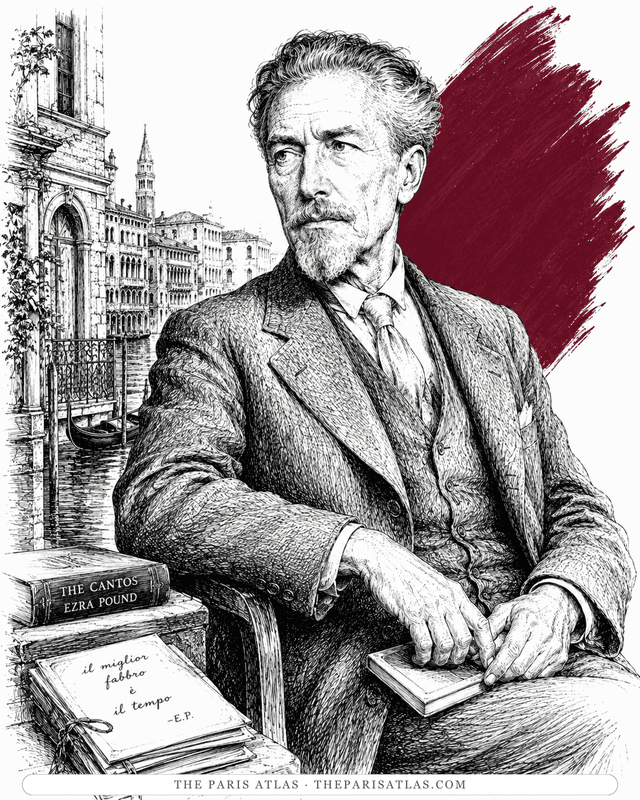
Ezra Pound
The impresario who dragged Joyce's early books into print, brought him to Paris, and championed Ulysses until the world caught up.
View author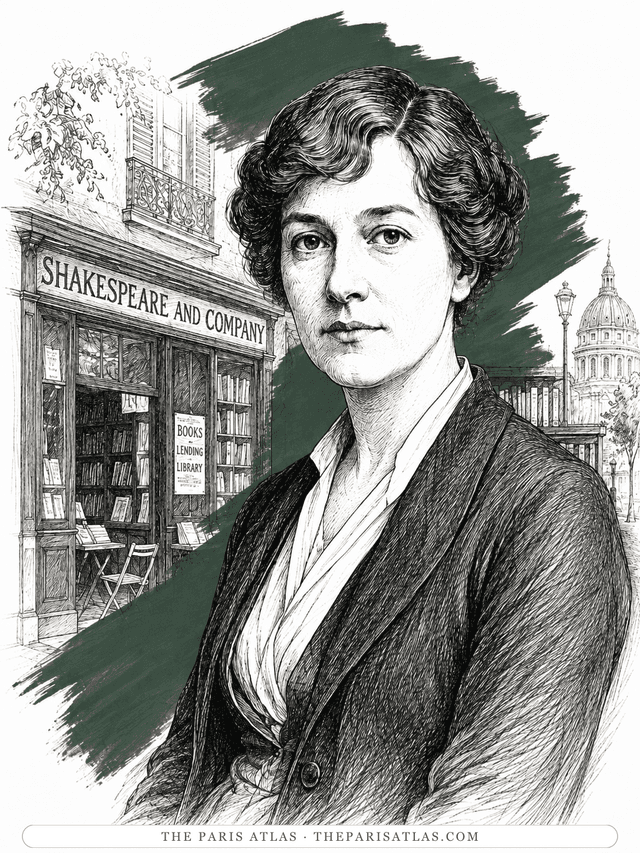
Sylvia Beach
His publisher of last resort and first devotion — the bookseller who printed Ulysses when no one else would.
View author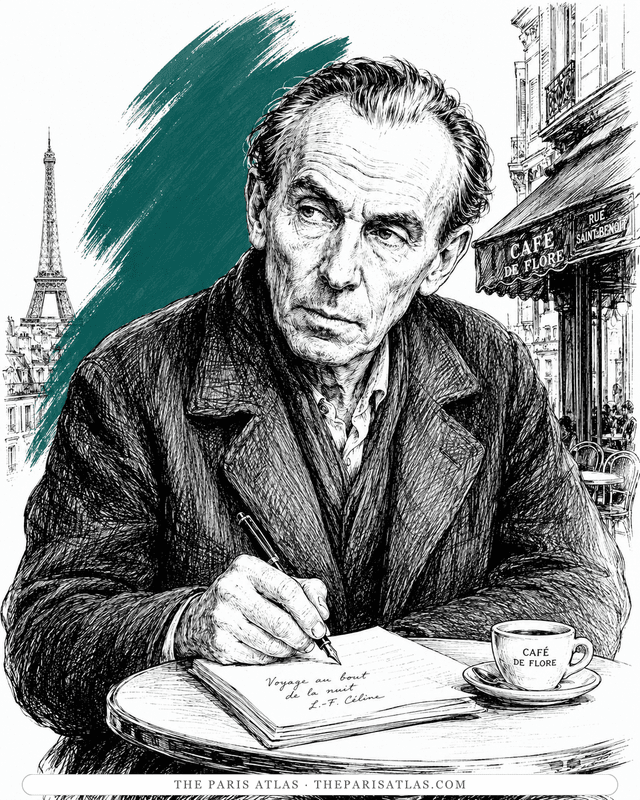
Louis-Ferdinand Céline
The doctor of the Paris slums who wrote the century's blackest, funniest novel — and changed the sound of French prose.
View author