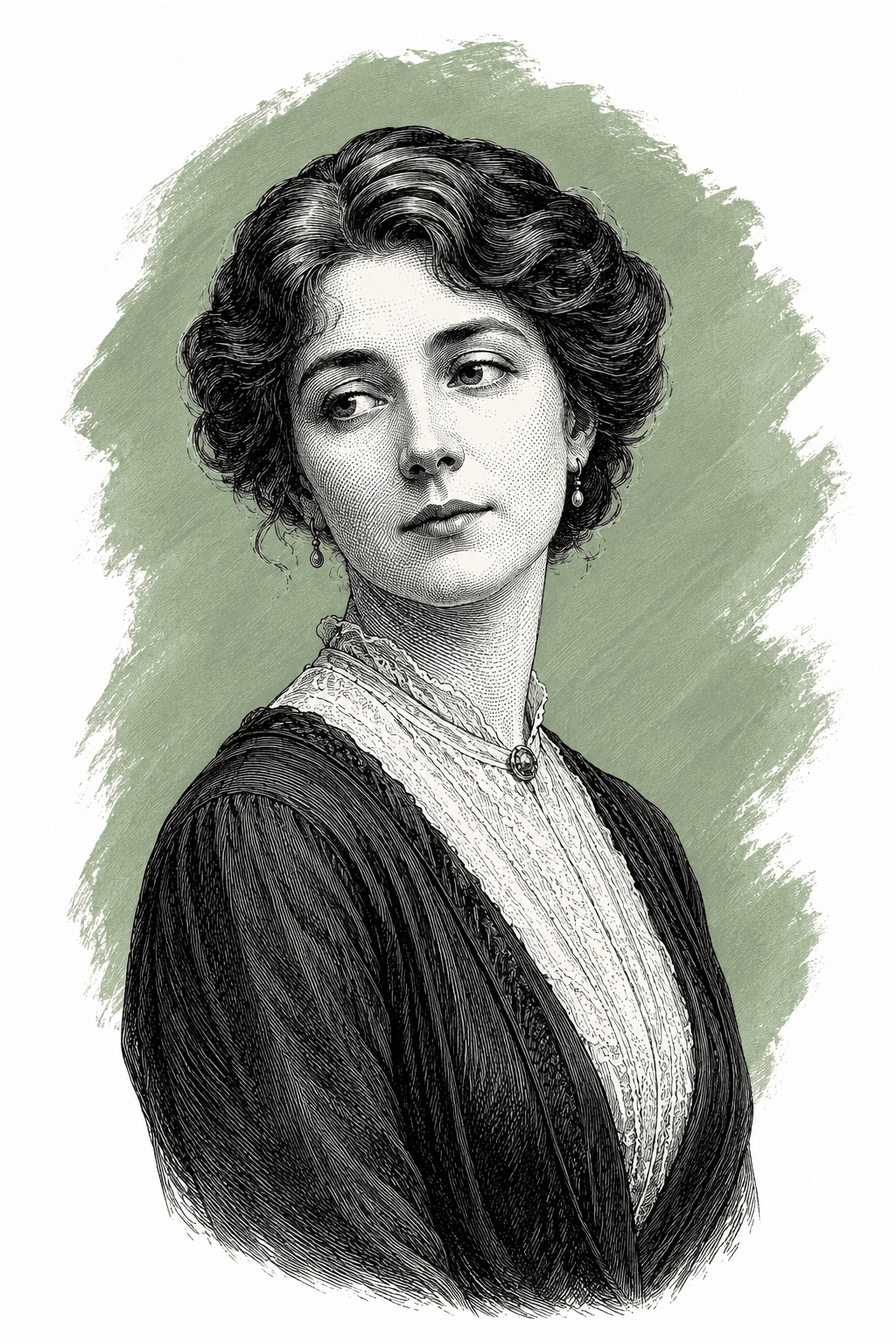
Lenehan
The hanger-on in "Two Gallants", tagging along on a Sunday evening while his friend works a young housemaid.
A way out of scrounging. He thinks that he might yet settle down in some snug corner and live happily if he could only come across some good simple-minded girl with a little of the ready.
The book

At a glance
- One of the two men in "Two Gallants", the sixth story
- Thirty in August; thirty-one in November
- None that anyone can name; his name is vaguely associated with racing tissues
- Most people consider him a leech, though his talk keeps his friends from acting on it
- Rutland Square, Trinity College, Kildare Street, Stephen's Green, and a refreshment bar off a dark side street
- He appears in one story here and nowhere else in the book, but reappears repeatedly in Ulysses
Who they are in the book
Spoiler-freeLenehan is one of the two men in "Two Gallants", the sixth of the fifteen stories in Dubliners, the 1914 collection by the Irish writer James Joyce. He walks the streets of Dublin on a warm August Sunday with a heavier, coarser friend named Corley, laughing at his stories and keeping himself in the company. Nobody knows how he lives. His name is vaguely associated with racing tips, and most people consider him a leech.
The story splits in half. The first part is the two men walking and talking, and the second is Lenehan alone for two hours, killing time until they are due to meet again. Alone, the performance stops. He is going to be thirty-one in November, he has eaten nothing since breakfast, and he starts thinking about a warm fire and a good dinner and a job.
How Lenehan Is Portrayed
- How he looksSquat and ruddy, in a yachting cap shoved far back, white rubber shoes and a light waterproof slung over one shoulder like a bullfighter's cape. The clothes say youth; the scant grey hair and the ravaged face when he stops smiling do not.
- How he laughsNoiselessly, in little jets of wheezing, for as long as half a minute at a stretch, with his eyes on his companion's face the whole time to see how it is going down.
- His catchphrase"That takes the biscuit!" — and then, in case that was not enough, "That takes the solitary, unique, and, if I may so call it, recherché biscuit!" He flatters Corley steadily and leaves just enough edge on it to pass for joking if it lands badly.
- How he livesThe story calls him a sporting vagrant with a vast stock of stories, limericks and riddles, insensitive to every kind of discourtesy, with a brave way of hovering at the edge of a group in a bar until somebody includes him in a round.
- His dinnerIn a cheap refreshment bar he asks the price of a plate of peas, orders it with a bottle of ginger beer, speaks roughly to the girl to cover his manners, and eats greedily. It comes to twopence halfpenny and it is the first food he has had since breakfast.
- The two hours aloneHe walks Stephen's Green and Grafton Street finding nothing charming, runs his hand along the railings, and works out that he will be thirty-one in November. Then he goes back to the corner, stands in the shadow of a lamp and smokes his last cigarette, worrying that his friend has given him the slip.
Lenehan's evening ends with him running through the rain after his friend, out of breath, asking whether it came off. Corley says nothing at all until they reach a lamp, then holds out his hand and opens it: a small gold coin, got out of the young housemaid. That image is the last line of the story. Lenehan calls him a disciple's master and gets his answer; what neither of them says is what the coin was for.
The story was the sticking point in the book's publication. Grant Richards accepted Dubliners in 1906 and his printer flatly refused to set "Two Gallants", which began the nine-year fight that ended with the sheets of a Dublin edition destroyed in 1912.
If you like Dubliners


If you like James Joyce
Explore authors with a similar voice, perspective, and influence.
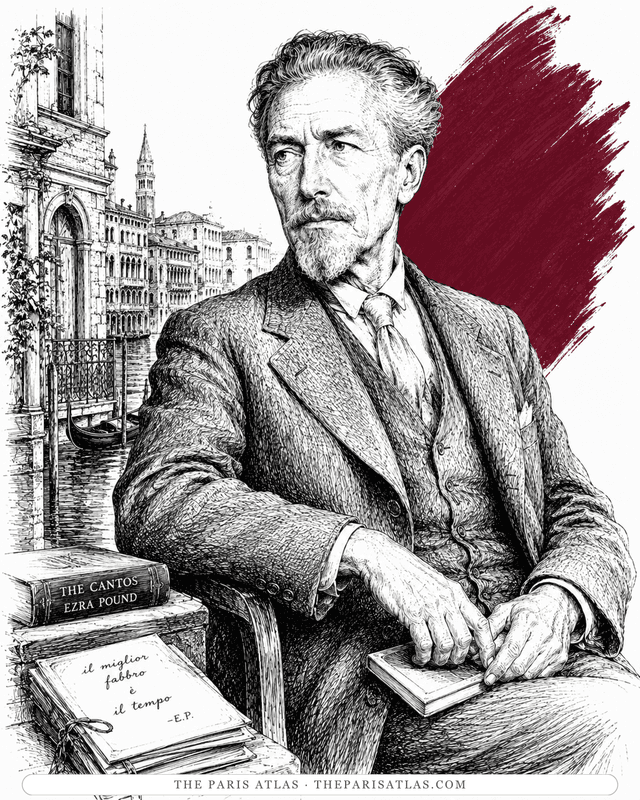
Ezra Pound
The impresario who dragged Joyce's early books into print, brought him to Paris, and championed Ulysses until the world caught up.
View author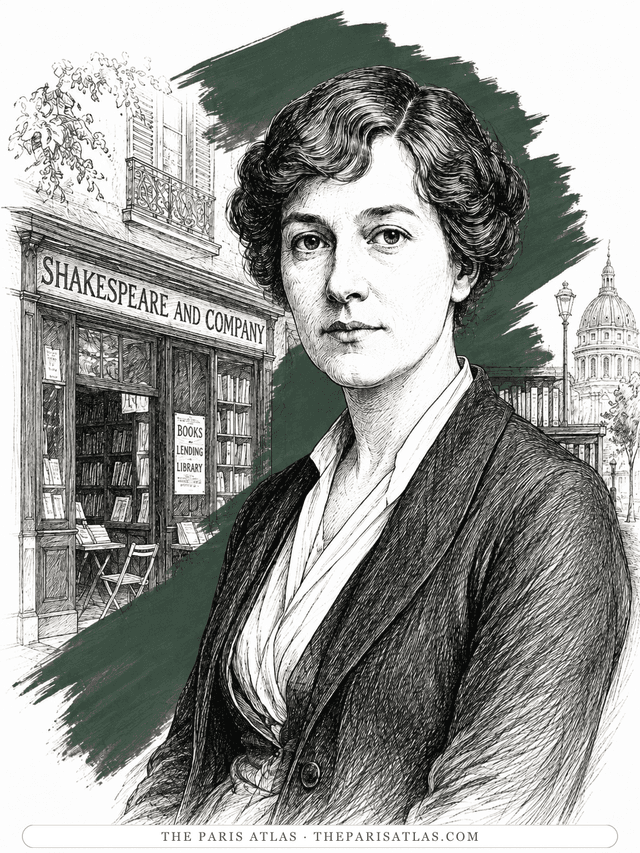
Sylvia Beach
His publisher of last resort and first devotion — the bookseller who printed Ulysses when no one else would.
View author
Louis-Ferdinand Céline
The doctor of the Paris slums who wrote the century's blackest, funniest novel — and changed the sound of French prose.
View author