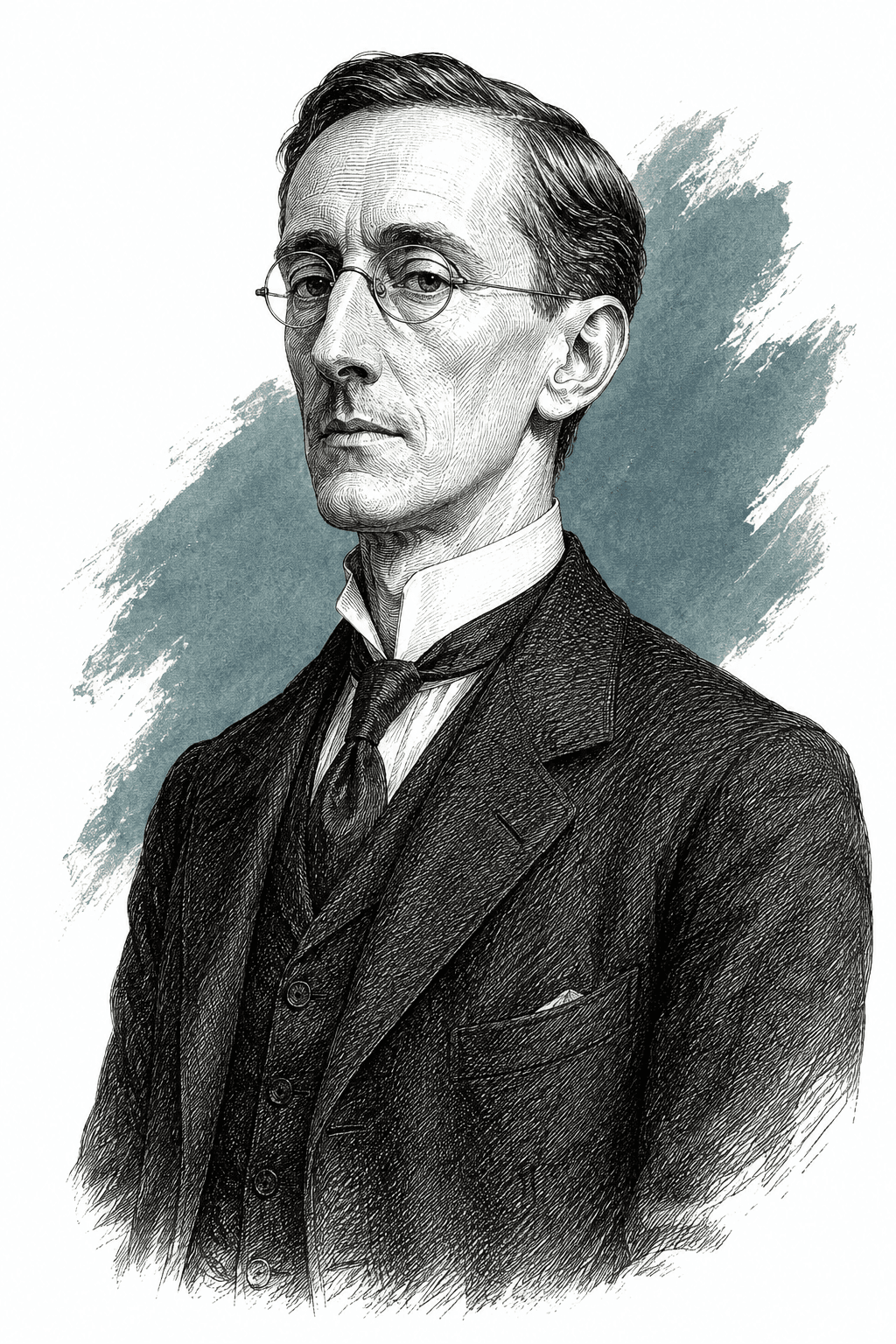
Mr James Duffy
The bank cashier in "A Painful Case" who has organised his life to need nobody, and finds out four years later what that cost.
To be left entirely alone, and to think of that as a virtue. He tells Mrs Sinico that we cannot give ourselves, and that every bond is a bond to sorrow.
The book

At a glance
- The subject of "A Painful Case", the eleventh story
- Cashier of a private bank in Baggot Street, Dublin, for many years
- An old sombre house in Chapelizod, chosen for being as far from the city as possible
- Wordsworth, a Maynooth Catechism sewn into a notebook cover, and later two volumes of Nietzsche
- His own translation of Hauptmann's play Michael Kramer, in purple ink
- Neither companions nor friends, church nor creed; he visits relatives at Christmas and takes them to the cemetery when they die
Who they are in the book
Spoiler-freeMr James Duffy is the subject of "A Painful Case", the eleventh of the fifteen stories in Dubliners, the 1914 collection by the Irish writer James Joyce. He is a cashier at a private bank in Dublin and lives out at Chapelizod, deliberately as far from the city as he can manage. He has no friends, no religion and no interest in acquiring either, and the first two pages of the story are simply an inventory of his room and his daily routine.
At a concert he falls into conversation with a married woman, Mrs Emily Sinico. They become close over months of evenings at her cottage, he lends her books and tries out his opinions on her, and then she does something he was not expecting and he ends it. Four years later he reads about her in an evening paper. It is the shortest distance in the book between a decision and its bill.
How Mr James Duffy Is Portrayed
- The roomUncarpeted, no pictures, every stick of furniture bought by him: a black iron bedstead, an iron washstand, four cane chairs, a coal scuttle, a square table. His books are shelved by size, with a complete Wordsworth at one end of the bottom shelf.
- The habit that gives him awayHe composes short sentences about himself in his head, with the subject in the third person and the verb in the past tense. He lives, the story says, at a little distance from his body.
- The routineTram into the city every morning; a bottle of lager and a small tray of arrowroot biscuits for lunch at Dan Burke's; dinner in an eating house in George's Street where he is safe from Dublin's gilded youth; free at four o'clock; concerts occasionally, because he likes Mozart.
- What he does about politicsHe attended an Irish Socialist Party meeting in a garret, decided the workmen were too timid and too interested in wages, and stopped going. No social revolution, he told Mrs Sinico, would be likely to strike Dublin for some centuries.
- How the friendship endsOne evening she catches up his hand and presses it to her cheek. He is very much surprised, stays away for a week, then arranges a meeting in a cake shop, walks her round the Park for three hours in the cold and breaks it off. A few days later a parcel arrives with his books and music in it.
- The sentence he writes afterwardsTwo months later he adds a line to the loose sheaf of papers in his desk: "Love between man and man is impossible because there must not be sexual intercourse and friendship between man and woman is impossible because there must be sexual intercourse."
- The newspaperFour years on, over corned beef and cabbage, he stops with the fork halfway to his mouth, reads a short inquest report through twice, and walks home in the November dark. The story reprints the whole newspaper column, coroner's evidence and all, in the flat language of a court report.
The paper reports the inquest on Mrs Emily Sinico, aged forty-three, killed at Sydney Parade station trying to cross the line in front of a slow train. Her husband testifies that she had become intemperate in her habits about two years before; her daughter says she had taken to going out at night to buy spirits. The verdict is accidental and nobody is blamed. Duffy's first reaction is disgust — that she degraded herself and by extension him. Then it turns. He goes out for two hot punches, walks up Magazine Hill, sees couples lying in the dark under the park wall, and understands that he denied her the one thing she asked for and that he will die unremembered. He hears a goods train in the distance beating out the syllables of her name, and then he does not hear it, and the story ends: "He felt that he was alone."
The sentence Duffy writes in his notebook came out of the diary of Joyce's younger brother Stanislaus, who was living with him at the time and whose written opinions Joyce raided more than once. Mrs Sinico herself turns up again in Ulysses, where Leopold Bloom remembers going to her funeral.
If you like Dubliners


If you like James Joyce
Explore authors with a similar voice, perspective, and influence.
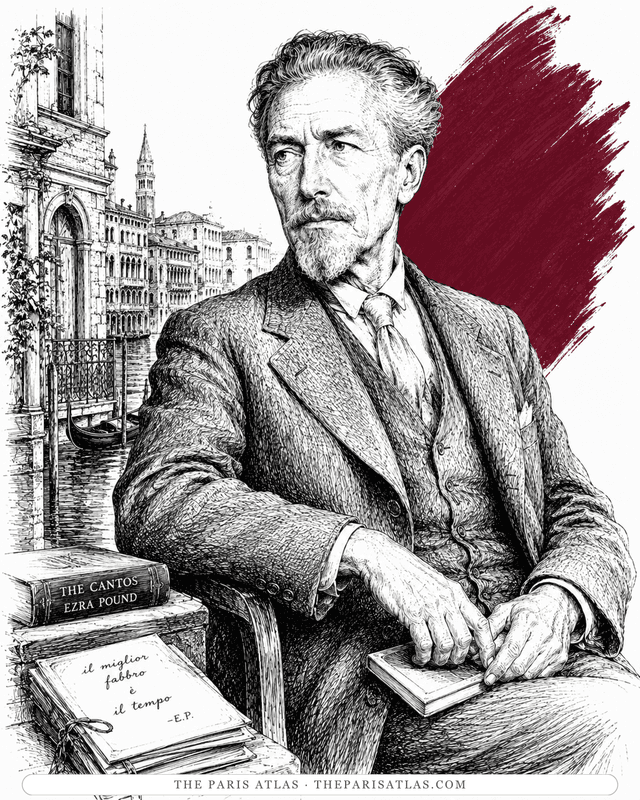
Ezra Pound
The impresario who dragged Joyce's early books into print, brought him to Paris, and championed Ulysses until the world caught up.
View author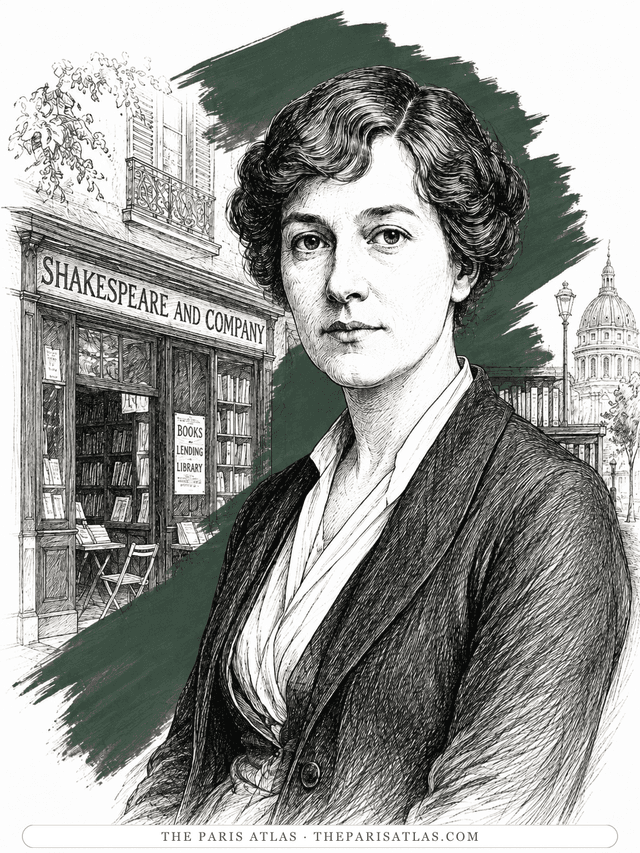
Sylvia Beach
His publisher of last resort and first devotion — the bookseller who printed Ulysses when no one else would.
View author
Louis-Ferdinand Céline
The doctor of the Paris slums who wrote the century's blackest, funniest novel — and changed the sound of French prose.
View author