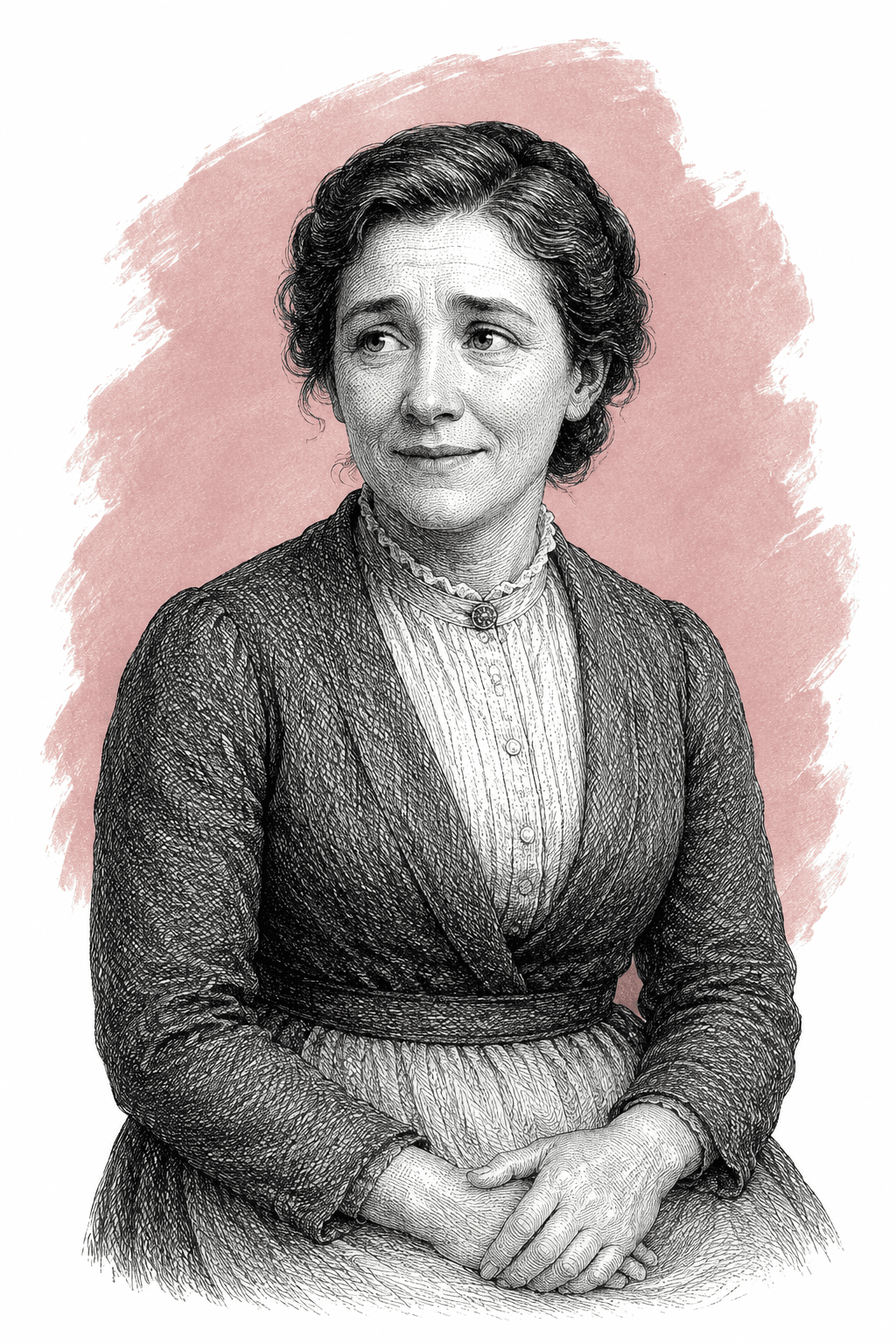
Maria
The tiny, unfailingly nice laundry worker in "Clay", out for one evening at a family's Hallow Eve party.
A nice evening with the family she helped raise, and a small surprise for the two grown-ups. She has bought a slice of plumcake specially for papa and mamma, as she calls them.
The book

At a glance
- The subject of "Clay", the tenth story
- Kitchen worker at the Dublin by Lamplight laundry, Ballsbridge
- Five shillings clear after the tram fare, of which two and fourpence goes on the lost cake
- The laundry, a cake shop off Henry Street, two trams, and Joe Donnelly's house at Drumcondra
- None of her own; she nursed Joe and Alphy after what the story calls the break-up at home
- That she is a peace-maker, and that everyone is fond of her
Who they are in the book
Spoiler-freeMaria is the subject of "Clay", the tenth of the fifteen stories in Dubliners, the 1914 collection by the Irish writer James Joyce. She works in the kitchen of a Dublin laundry called Dublin by Lamplight, a Protestant-run institution for women, and the story covers one evening: she gets out after the women's tea, buys cakes, takes two trams, and spends Hallow Eve at the house of Joe Donnelly, a man she nursed when he was a boy.
She is very small, very kind and, the story keeps saying, everyone is fond of her. Almost nothing happens to her. Joyce writes the whole thing in her own vocabulary — nice, lovely, genteel — and lets the gap between what she notices and what the reader notices do the work.
How Maria Is Portrayed
- How she looksA very, very small person with a very long nose and a very long chin. When she laughs, which she does whenever anyone teases her, the tip of her nose nearly meets the tip of her chin.
- How she talksA little through her nose and always soothingly: "Yes, my dear," and "No, my dear." She is sent for whenever the women quarrel over the tubs, and always makes peace.
- What she is proud ofThe matron once said in front of the sub-matron and two of the Board ladies: "Maria, you are a veritable peace-maker!" She has kept it. She also keeps a purse with silver clasps that reads A Present from Belfast, and reads the words again on her way out.
- Who she was to the familyShe nursed Joe and his brother Alphy when they were boys. Joe used to say: "Mamma is mamma but Maria is my proper mother." The two brothers are no longer speaking, and she cannot mention one to the other.
- The cakeShe spends a long time choosing it, is asked by an impatient shop girl whether it is wedding cake she wants, and pays two and fourpence. On the tram an elderly gentleman with a drink taken gives her his seat and chats to her, and she gets off flustered. The cake is not in her bag when she arrives.
- The gameThe children blindfold her for a Hallow Eve fortune game and lead her to the saucers. Her fingers come down on something soft and wet, there is a scuffle and whispering, and the woman of the house says sharply that it is to be thrown out at once. Maria is quietly given another go, and gets the prayer book.
- The songPressed to sing, she stands by the piano and gets through "I Dreamt that I Dwelt" — then sings the first verse a second time instead of the second. Nobody corrects her, and Joe has to ask his wife where the corkscrew is because his eyes have filled.
Nothing bad happens to Maria on the page, which is why the story unsettles people. What the reader is expected to work out is what was in the saucer she touched — the neighbours' children had put in a lump of wet clay from the garden, which in the old fortune game means death within the year — and that the second verse she skipped in the song is the one about suitors and marriage. She sings about riches and a high ancestral name, and leaves out being courted. Joe cries and cannot say why. Maria never knows either thing, and goes home pleased with her evening.
The story is titled after the thing nobody in it says out loud. Joyce originally called it "Hallow Eve", and the change is the whole method of the book in one decision.
If you like Dubliners


If you like James Joyce
Explore authors with a similar voice, perspective, and influence.
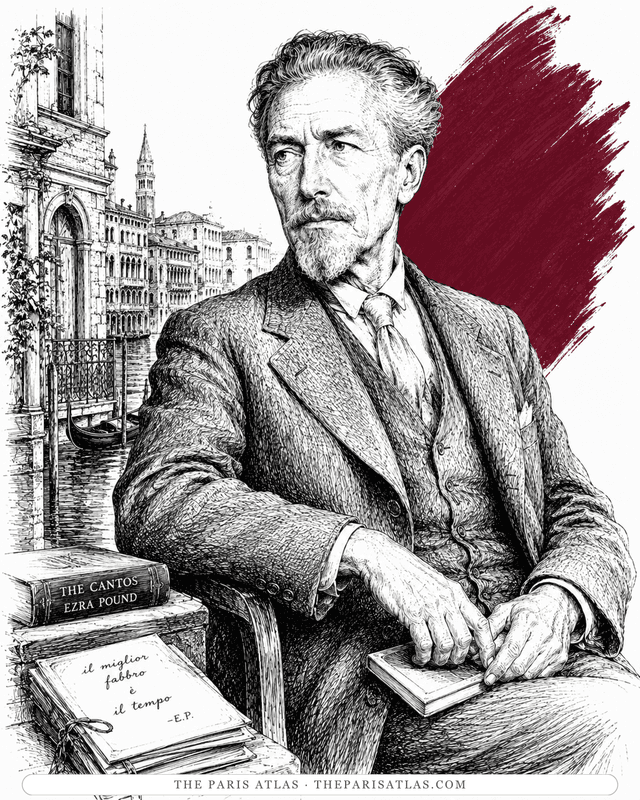
Ezra Pound
The impresario who dragged Joyce's early books into print, brought him to Paris, and championed Ulysses until the world caught up.
View author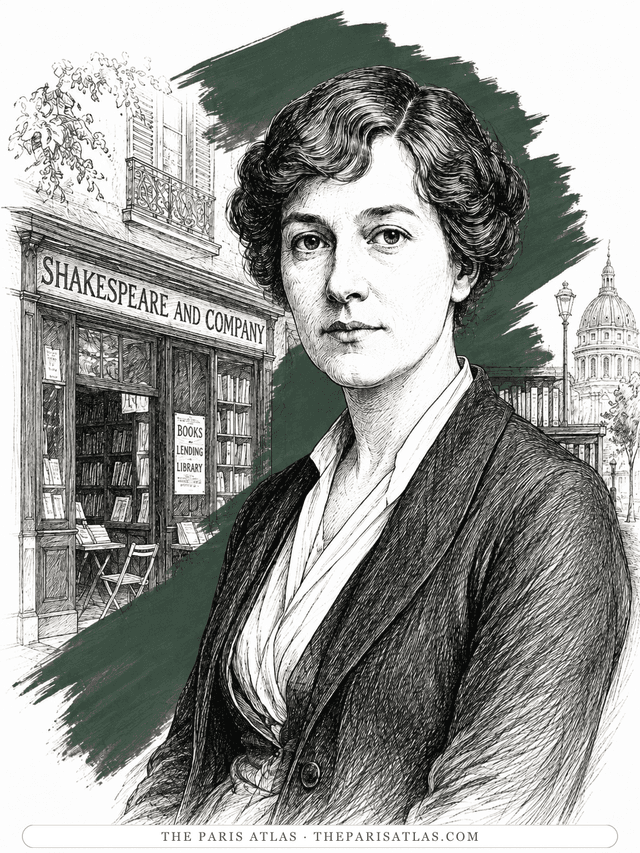
Sylvia Beach
His publisher of last resort and first devotion — the bookseller who printed Ulysses when no one else would.
View author
Louis-Ferdinand Céline
The doctor of the Paris slums who wrote the century's blackest, funniest novel — and changed the sound of French prose.
View author