Jalais Hill, Pontoise
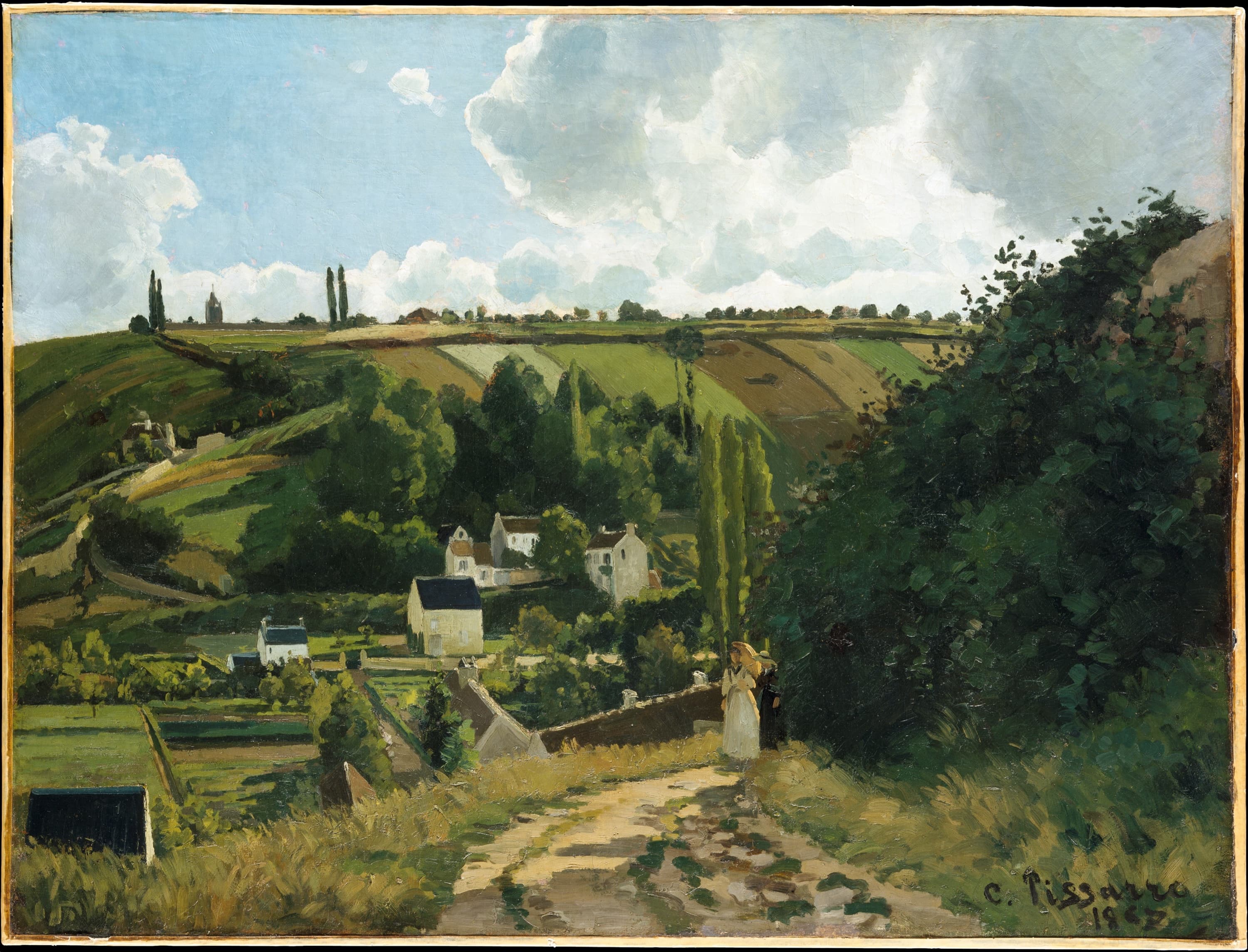
Camille Pissarro painted this cultivated hillside outside Pontoise in 1867 and sent it to the Paris Salon the following year, where the writer Émile Zola singled it out. The Metropolitan Museum of Art in New York has held it since 1951.
- 1867
- Oil on canvas
About Camille Pissarro
What the painting shows
The viewer stands on a rutted dirt track at the bottom of a slope, looking across a shallow valley. A low wall runs beside the track. Beyond it are kitchen gardens laid out in rectangles, then a group of farm buildings with pale walls and grey roofs, then the hillside itself, divided into strips of crop in green and dry ochre. Poplars stand along the ridge. One tall bank of white cloud fills the upper third of the canvas.[1]
Two figures have stopped where the track passes the wall. The Metropolitan Museum of Art's catalogue entry identifies them as middle-class women out walking rather than people working the land.
Pontoise is a town on the river Oise, north-west of Paris, and Pissarro painted in and around it for years. The canvas is signed and dated at the lower right: C. Pissarro / 1867.
Too big for the road it was painted on
The canvas is 87 by 114.9 centimetres, close to four feet across. That size is the reason the museum doubts it was finished where it was begun.[1]
“Rather large to set up out of doors in the middle of a road on a hillside, and it must have been painted at least in part in the studio.”
Painting outdoors, in front of the subject, is the practice the Impressionists became known for a decade later. The museum's note is a reminder that a landscape could be begun in the field and finished indoors.[2]
Émile Zola noticed it at the Salon of 1868
The painting hung at the Paris Salon from 1 May to 20 June 1868, as number 2015 in the catalogue, under the title La côte de Jallais. The Salon was the state's annual exhibition and the main way a painter in France reached a public and a buyer.[1]
Émile Zola, then a young novelist writing art criticism for the newspapers, reviewed it in L'Événement illustré on 19 May 1868.[3]
“This is the modern countryside. One feels that man has passed by, turning and cutting the earth… From ordinary reality the painter's temperament has drawn a rare poem of life and strength.”
The English wording above is not fixed. The Met's own wall text and its audio transcript translate the same French passage differently, so quotations of Zola on this picture vary from one publication to the next.
Two other critics recorded by the museum wrote about it that summer. The painter Odilon Redon covered the Salon for La Gironde on 9 June 1868, and the critic Jules-Antoine Castagnary reported in Le Siècle on 29 May 1868 that the canvas drew attention although it had been hung too high.[4]
The title, and the painting that hung beside it
The Salon catalogue printed La côte de Jallais. On 31 December 1930 the artist's son Ludovic-Rodo Pissarro wrote to the picture's owner, William Church Osborn, to say the correct title was La côte du Jalet Pontoise. Museums have kept the Salon spelling. The disagreement stands on the record, one of them the family's.[1]
Which of his paintings hung beside it in 1868 is also unresolved. One account names Le Jardin de Maubuisson, now in the National Gallery in Prague; another names The Hills at L'Hermitage, now at the Solomon R. Guggenheim Museum in New York. No museum record settles it.
How it reached New York
Pissarro kept the painting until his death in 1903. It went to his widow, Julie Vellay Pissarro, in 1904, and then to their son Paul-Émile Pissarro, who sold it for 100,000 francs. The Heinemann Gallery in New York sold it on 15 January 1929 for $7,500. It passed through the William H. Holston Gallery to William Church Osborn, who owned it from 1929 and left it to the Metropolitan Museum of Art in 1951.[5]
It was never shown at any of the eight Impressionist exhibitions. It was painted seven years before the first of them opened, and by then it had been sold and hung under a different name.[5]
It carries two catalogue raisonné numbers: number 55 in Ludovic-Rodo Pissarro and Lionello Venturi's catalogue of 1939, and number 116 in volume two of the catalogue by Joachim Pissarro and Claire Durand-Ruel Snollaerts, published in 2005.
Close reading
Reading the work, detail by detail
This unusually large landscape asks the viewer to move from a rutted foreground through gardens and houses to the cultivated hill. Three details show how Pissarro makes that depth legible without sacrificing the painting's broad, stable order.
1.The road begins with two measured figures
Ruts open the foreground while two walkers establish scale. Their presence keeps the view from becoming an empty panorama and turns the route into a space that can be crossed.
2.Work divides the hillside into bands
Walls, roofs, gardens, and long strips of crop step upward through the middle distance. The landscape's order comes from use: cultivation supplies the horizontal structure.
3.One cloud bank enlarges the hill
The bright cloud occupies much of the upper canvas and repeats the slope's upward pressure. Its soft volume gives the carefully divided land a counterweight that is immense but temporary.
4.Buildings settle into the hill instead of interrupting it
Roofs and walls share earth colors with the surrounding slope. The settlement reads as part of cultivated land rather than a separate architectural landmark.
5.Rough foreground plants place the viewer at field level
Irregular stems and patches break the lower edge before the broad hillside begins. This near detail strengthens the sense of distance without relying on a theatrical perspective line.
6.Alternating light and shade describe the hill's volume
Broad changes of value make the land rise even where outlines remain soft. Pissarro builds the hill from cultivated sections, so agricultural use and spatial structure become the same pattern.
Timeline
1867
Painted at Pontoise; signed and dated at the lower right, C. Pissarro 1867.
1868
Shown at the Paris Salon, 1 May to 20 June, as number 2015, titled La côte de Jallais.
1868
Émile Zola reviews it in L'Événement illustré on 19 May; Jules-Antoine Castagnary and Odilon Redon also write about it.
1868
Possibly shown again at the Exposition maritime internationale in Le Havre, 2 July to 15 November, as number 794. The Met records this as possible, not certain.
1904
Passes to the artist's widow, Julie Vellay Pissarro, after his death in 1903.
1929
Sold by the Heinemann Gallery, New York, on 15 January for $7,500; acquired by William Church Osborn the same year.
1930
Ludovic-Rodo Pissarro writes to Osborn on 31 December that the correct title is La côte du Jalet Pontoise.
1951
Bequeathed to the Metropolitan Museum of Art by William Church Osborn; accession number 51.30.2.
Where to see it
The Metropolitan Museum of Art, New York
1000 Fifth Avenue, New York, NY 10028, United States
Displays and loans can change. Check whether this work is on view before making a special trip.
Plan your visit on the museum’s official website (opens in a new tab)Frequently asked questions
What is Jalais Hill, Pontoise?
It is a landscape painted by Camille Pissarro in 1867, showing a cultivated hillside and a group of farm buildings outside Pontoise, north-west of Paris, seen from a dirt track at the bottom of the slope. It is one of the paintings that made his name before Impressionism existed as a movement or a word.
Where can I see Jalais Hill, Pontoise?
At the Metropolitan Museum of Art in New York, which has owned it since 1951. Its accession number is 51.30.2 and the credit line reads “Bequest of William Church Osborn, 1951.”
What did Émile Zola say about the painting?
He called it the modern countryside. Writing in L'Événement illustré on 19 May 1868, Zola said one feels that man has passed by, turning and cutting the earth, and that from ordinary reality the painter's temperament had drawn a rare poem of life and strength. The Met publishes two slightly different English translations of the passage, so quoted wordings differ.
Is Jalais Hill, Pontoise an Impressionist painting?
It was painted in 1867, seven years before the first Impressionist exhibition of 1874, and it was never shown at any of the eight. Pissarro was already painting the countryside directly and in daylight, but this canvas belongs to the years before the group and its name existed.
Why is the title sometimes spelled Jalais and sometimes Jalet?
Because the artist's family disagreed with the Salon. The 1868 Salon catalogue printed La côte de Jallais, and museums have followed it. On 31 December 1930 Pissarro's son Ludovic-Rodo Pissarro wrote to the painting's owner that the correct title was La côte du Jalet Pontoise. Neither spelling has been proved wrong.
How big is the painting, and was it painted outdoors?
It is 87 by 114.9 centimetres, close to four feet wide. The Metropolitan Museum of Art's entry says a canvas that size is rather large to set up outdoors in the middle of a road on a hillside, and that it must have been painted at least in part in the studio.
Who are the two figures on the road?
The Met's catalogue entry identifies them as middle-class women on a walk, not agricultural labourers. Everything else in the picture is working land: kitchen gardens, farm buildings, and strips of crop up the hillside.
More by Camille Pissarro
If you like Camille Pissarro
Explore painters from the same movements and circles.
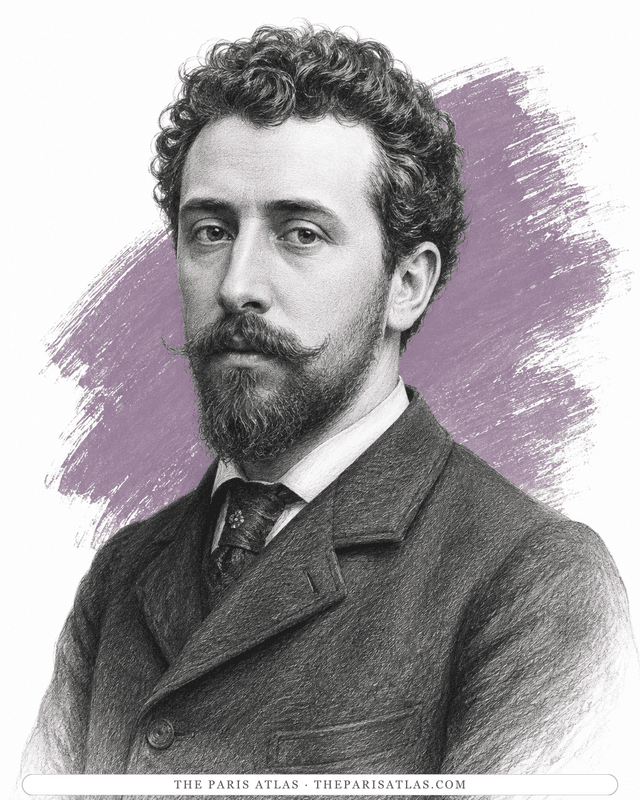
Georges Seurat
Parisian painter who built pictures from small dots of pure colour on optical principle, co-founded the Salon des Indépendants, and detonated the last Impressionist exhibition of 1886 with A Sunday on La Grande Jatte. He died at thirty-one.
View artist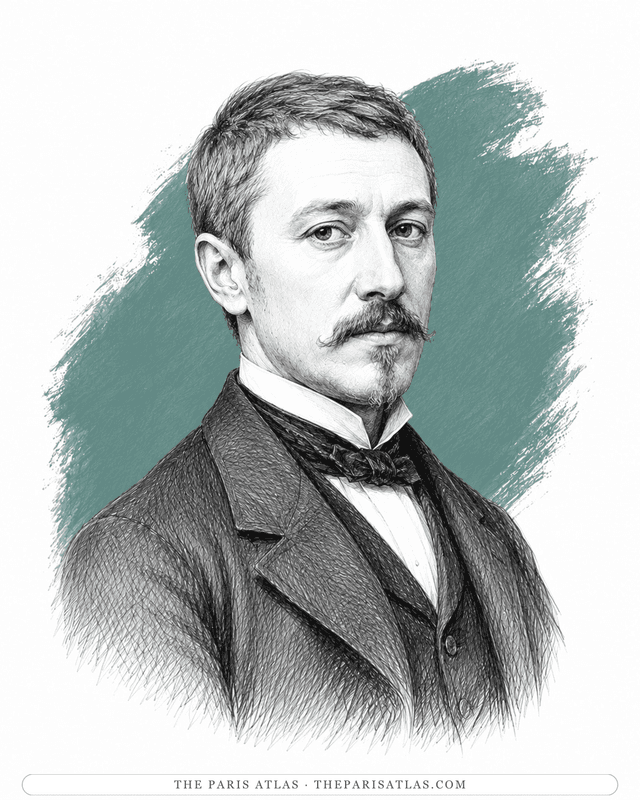
Gustave Caillebotte
Painter of Haussmann's geometry and the group's organizer-financier; his bequest of Impressionist paintings forced the French state to take the movement in.
View artist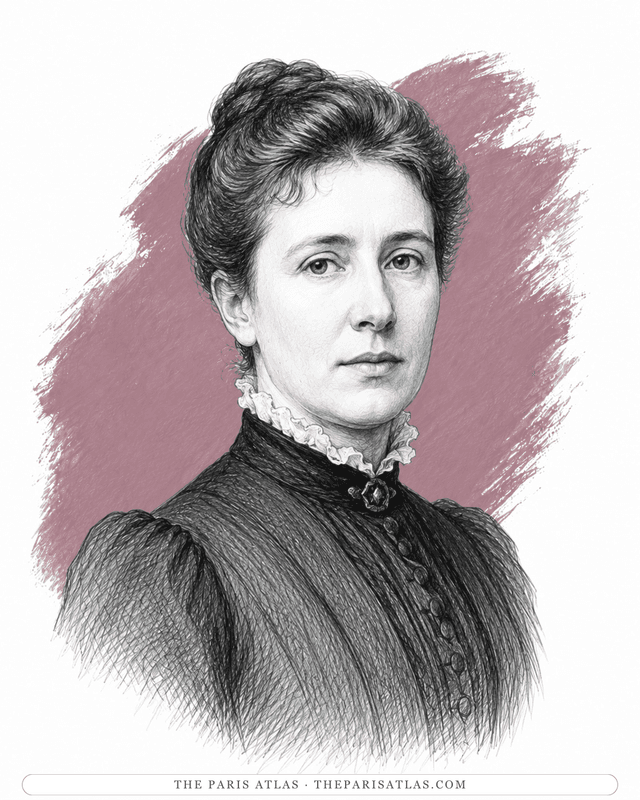
Mary Cassatt
Mary Cassatt was an American painter and printmaker known for her depictions of women and children. Based in France for the last fifty-two years of her life, she was the only American to exhibit with the original French Impressionist group, participating in four of its eight exhibitions. Edgar Degas invited her to exhibit with the group in 1877 after the Salon jury rejected her submissions.
View artist
References
The sources below include collection records, catalogues, scholarly research, and primary materials that informed this page. They document Jalais Hill, Pontoise, its making, and its place in cultural history.


2↑Camille Pissarro: Biography and Chronology
WebsiteKunstmuseum BaselUsed forUsed for an additional museum or scholarly perspective on Jalais Hill, Pontoise's history and interpretation.
3↑Camille Pissarro — artist record
WebsiteMusée d'OrsayUsed forUsed to place Jalais Hill, Pontoise within Camille Pissarro's documented oeuvre and verify its period, medium, or institutional context.

4↑Camille Pissarro — artist biography
WebsiteMuseo Nacional Thyssen-BornemiszaUsed forUsed to cross-check artist chronology and the work's relationship to Camille Pissarro's wider practice.
These references provide the documented foundation for this work's history and interpretation. Claim-level citations remain attached to the specific claims they support.
 Explore more resources