The Côte des Bœufs at L'Hermitage
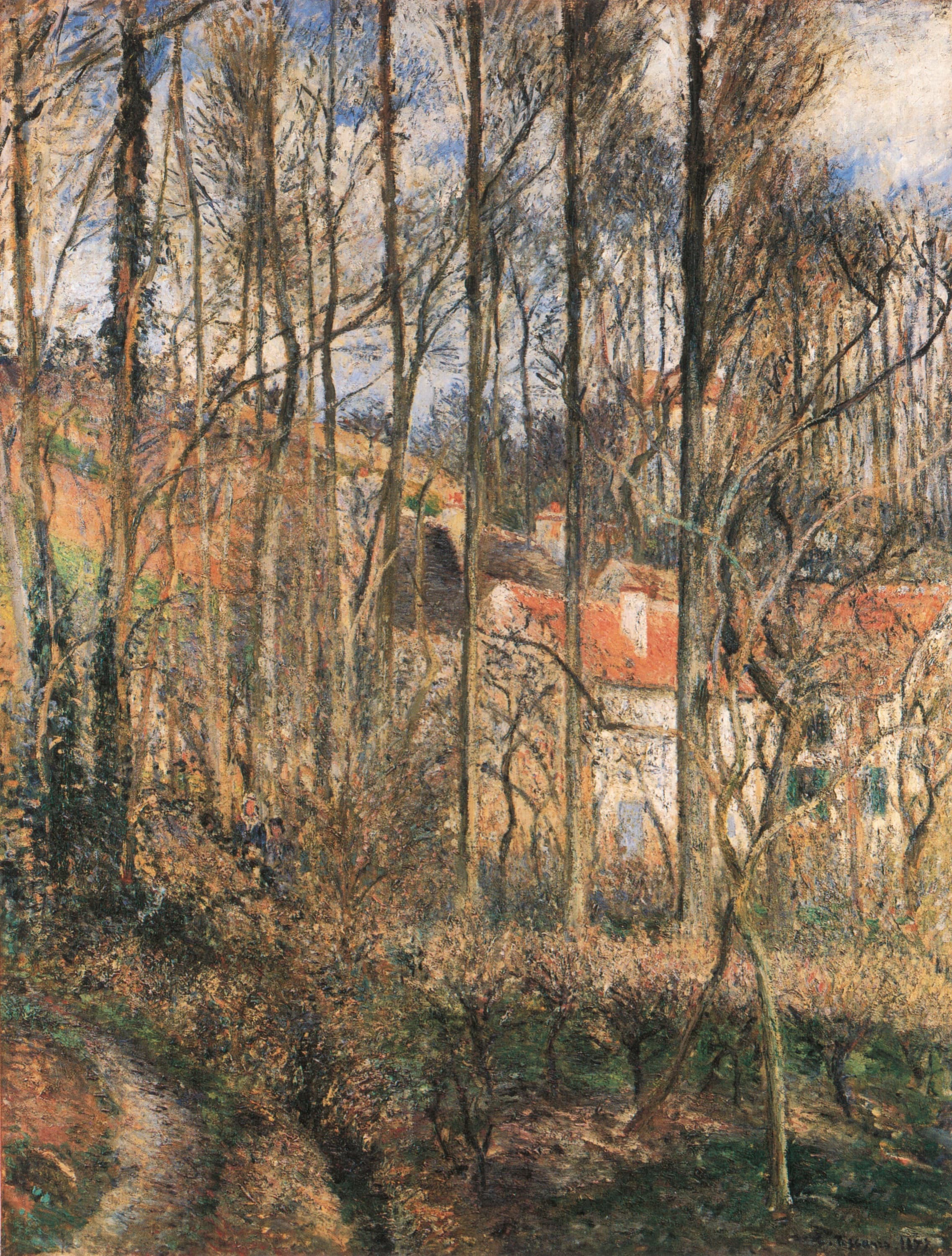
Camille Pissarro painted the wooded slope above his house at Pontoise in 1877, on a canvas almost twice the size he usually worked at. The National Gallery in London has had it since 1950.
- 1877
- Oil on canvas
About Camille Pissarro
What the painting shows
Tall bare trees run the full height of the canvas, thin trunks set a pace across it like a fence you cannot see past in one go. Behind them, halfway up the slope, are the pink-tiled roofs and pale rendered walls of a few houses, one with green shutters. Above the houses the hillside climbs into scrub and a low wall, and a little cold sky shows at the top.[1]
The picture is upright, which is unusual for a landscape of this date, and the ground drops away in the foreground into rough grass, saplings and a track of reddish earth curving out at the lower left. Two small figures stand among the trees to the left, one in a straw hat. They are the only people in it, and they are easy to miss.[1]
The canvas is signed and dated at the lower right. It hangs in Room 44 of the National Gallery, in a seventeenth-century Italian frame.[1]
The hillside, and the painter who came to stay
The Côte des Bœufs is a real slope with a plain name, the oxen's hillside. It stands above the hamlet of L'Hermitage, on the edge of Pontoise, where Camille Pissarro lived for most of the time between 1866 and 1883. The National Gallery's account is direct about the geography and about who else painted it:[1]
“The same hillside… was also painted by Cezanne when he visited Pissarro in 1877, the year in which this picture was painted.”
Paul Cézanne had been working alongside Pissarro at Pontoise, on and off, since the late 1860s. The two of them repeatedly set up in front of the same view and painted it differently, which is why several of Pissarro's Pontoise motifs have a Cézanne beside them.[2]
A large canvas, finished indoors
At 114.9 by 87.6 centimetres this is, in the Gallery's words, "a relatively large canvas — almost double the size Pissarro typically worked with". Size changes the working method. The Gallery says the picture may have been begun outdoors but was completed in the studio, which is a different proposition from the quick canvas finished in front of the motif.[1]
It is also heavily loaded with paint. The Gallery records that the paint "was applied so densely in some areas that the canvas had to be lined to give it extra strength". Lining means gluing a second canvas to the back to carry the weight. Pissarro built the screen of trunks and the thicket behind it out of hundreds of short, dry strokes laid over one another, and the surface stands up off the weave.[1]
Where this picture sits in his work
The Pontoise pictures of the mid-1870s are the point where Pissarro's landscapes become most obviously built. The trees are not scattered where they happened to grow; they are spaced across the surface, and the village behind them is held in the gaps. The National Gallery reads that forward:[1]
“This shift to a more structured version of Impressionism foreshadowed the concerns of the next generation of artists, particularly Seurat, whose pointillist technique Pissarro was later to adopt.”
Pissarro did take up that technique, in his fifties, after meeting Georges Seurat in 1885, and left it again around 1890. The structure he arrived at here outlasted the experiment.
Two things often repeated about it that are not settled
The first is where it was first shown. English Wikipedia places this canvas in the third Impressionist exhibition of 1877, under a French catalogue title close to the one the Musée d'Orsay now uses for a different Pissarro of the same year, its Côte Saint-Denis à Pontoise. The Orsay documents that other canvas as number 163 in the 1877 show. The National Gallery's own exhibition history for this painting begins fifteen years later, at the Durand-Ruel retrospective of 1892. The two accounts have not been reconciled, and the catalogue raisonné is where the answer lies.
The second is a line about the picture's laboriousness, in which Pissarro is said to have called it the work of a Benedictine. It is quoted often and attributed to him, but its earliest appearance is in a review Walter Sickert published in the Burlington Magazine in 1923, forty-six years after the painting was made. The Gallery quotes instead a letter Pissarro wrote the year after finishing it.
In the Gallery's translation, that letter of 1878 says: create good paintings, don't exhibit sketches. It is the same argument the canvas makes, in his own words and at a date that can be checked.[1]
How it reached London
The painting stayed in the family long enough to be lent by Madame P. Pissarro to the Durand-Ruel retrospective of February 1892, where it hung as number 7. From there it moved through the dealer circuit for three decades: Durand-Ruel again in 1904, the Kunsthalle Bremen in 1910, the Stafford Gallery in London in 1911, Manzi-Joyant in Paris in 1914, and Knoedler's in London in 1923 and Paris in 1924.[1]
In 1926 C. S. Carstairs presented it to the Tate Gallery through the National Art-Collections Fund, now the Art Fund. It was transferred to the National Gallery in 1950 as NG4197.[1]
It still travels. Recent loans include Impressionist Gardens at the National Gallery of Scotland in 2010, the Camille Pissarro retrospectives at the Museo Thyssen-Bornemisza in Madrid in 2013 and CaixaForum Barcelona in 2013–14, Camille Pissarro. The Studio of Modernism at the Kunstmuseum Basel in 2021–22, and Pissarro: Father of Impressionism at the Ashmolean Museum in Oxford in 2022.[1]
Close reading
Reading the work, detail by detail
Pissarro refuses the easy landscape opening. Trees crowd the foreground and force the village to be seen through them, making depth something the eye has to assemble from overlapping trunks, roofs, and slopes.
1.The trees block before they reveal
Dark trunks divide the canvas into narrow intervals. Instead of framing a clear view, they continually interrupt it, making the act of looking through the hillside the painting's central labor.
2.Roofs appear in fragments
Pale walls and red roofs never detach cleanly from the vegetation. The settlement is embedded in the slope, discovered piece by piece rather than presented as a separate subject.
3.Short strokes weave ground and growth together
Brown, green, ochre, and blue touches cross the boundaries between objects. The dense surface makes the hillside feel accumulated over time rather than arranged for a single view.
4.The steep bank makes the village difficult to reach
The land climbs through dense vegetation rather than opening into a convenient path. Pissarro makes the act of looking through the slope part of understanding the settlement.
5.A chimney is enough to announce hidden houses
Only fragments of architecture survive the screen of branches. The chimney identifies habitation while allowing vegetation to remain the painting's dominant structure.
6.Crossing branches turn depth into a dense surface
Lines pass in front of one another until the eye cannot follow every tree separately. The thicket creates depth, but it also asserts the canvas as a woven field of paint.
Timeline
1877
Painted at Pontoise, on the hillside above the hamlet of L'Hermitage. Cézanne paints the same slope while visiting that year.
1878
Pissarro writes the line the National Gallery quotes beside the picture: create good paintings, don't exhibit sketches.
1892
Shown at the Durand-Ruel retrospective in Paris in February as number 7, lent by Mme P. Pissarro.
1904
Shown again at Durand-Ruel, Paris, as number 42.
1910
Shown at the Kunsthalle Bremen as number 261.
1923
Shown at Knoedler's in London. Walter Sickert reviews it in the Burlington Magazine, the source of the much-quoted line about the work of a Benedictine.
1926
Presented to the Tate Gallery by C. S. Carstairs through the National Art-Collections Fund.
1950
Transferred to the National Gallery, London, as NG4197.
2021
Lent to Camille Pissarro. The Studio of Modernism at the Kunstmuseum Basel, and the following year to Pissarro: Father of Impressionism at the Ashmolean Museum, Oxford.
Where to see it
The National Gallery, London
Trafalgar Square, London WC2N 5DN, United Kingdom
Displays and loans can change. Check whether this work is on view before making a special trip.
Plan your visit on the museum’s official website (opens in a new tab)Frequently asked questions
Where is The Côte des Bœufs at L'Hermitage?
The National Gallery in London, inventory number NG4197, normally hung in Room 44. It came to the Tate Gallery as a gift from C. S. Carstairs in 1926 and was transferred to the National Gallery in 1950.
What does the title mean?
The Côte des Bœufs is the name of a wooded hillside, literally the oxen's slope, above the hamlet of L'Hermitage on the edge of Pontoise, north-west of Paris. Camille Pissarro lived at L'Hermitage for most of the time between 1866 and 1883 and painted the hill from below. Wikidata lists the picture as The Côte des Bœufs, Pontoise; the National Gallery's own title is the longer one.
How big is the painting?
114.9 by 87.6 centimetres, upright. The National Gallery calls it almost double the size Camille Pissarro typically worked with, and says the paint is so dense in places that the canvas had to be lined with a second canvas to carry the weight.
Was it painted outdoors?
Partly, at most. The National Gallery says the picture may have been painted partly outdoors but was completed in the studio. That is consistent with its size and with the built-up paint surface.
Did Cézanne paint the same hillside?
Yes. Paul Cézanne visited Camille Pissarro at Pontoise in 1877, the year this canvas was painted, and painted the same slope. The two men had been working on shared motifs since the late 1860s, which is why several Pontoise views exist in a Pissarro version and a Cézanne version.
Was it in the 1877 Impressionist exhibition?
That claim is not settled. English Wikipedia says it was, under a French catalogue title that is almost identical to the one the Musée d'Orsay now uses for a different Camille Pissarro canvas of 1877 — and the Orsay documents that other canvas as number 163 in the same show. The National Gallery's own exhibition history for this painting starts in 1892. Until the catalogue raisonné is checked, both positions stand as stated by the institutions that hold them.
Did Pissarro call it the work of a Benedictine?
There is no contemporary record of Camille Pissarro saying it. The line is repeated widely as his, but it traces to a review Walter Sickert published in the Burlington Magazine in 1923, forty-six years after the painting was made. What Pissarro did write, in a letter of 1878, is that a painter should create good paintings and not exhibit sketches.
More by Camille Pissarro
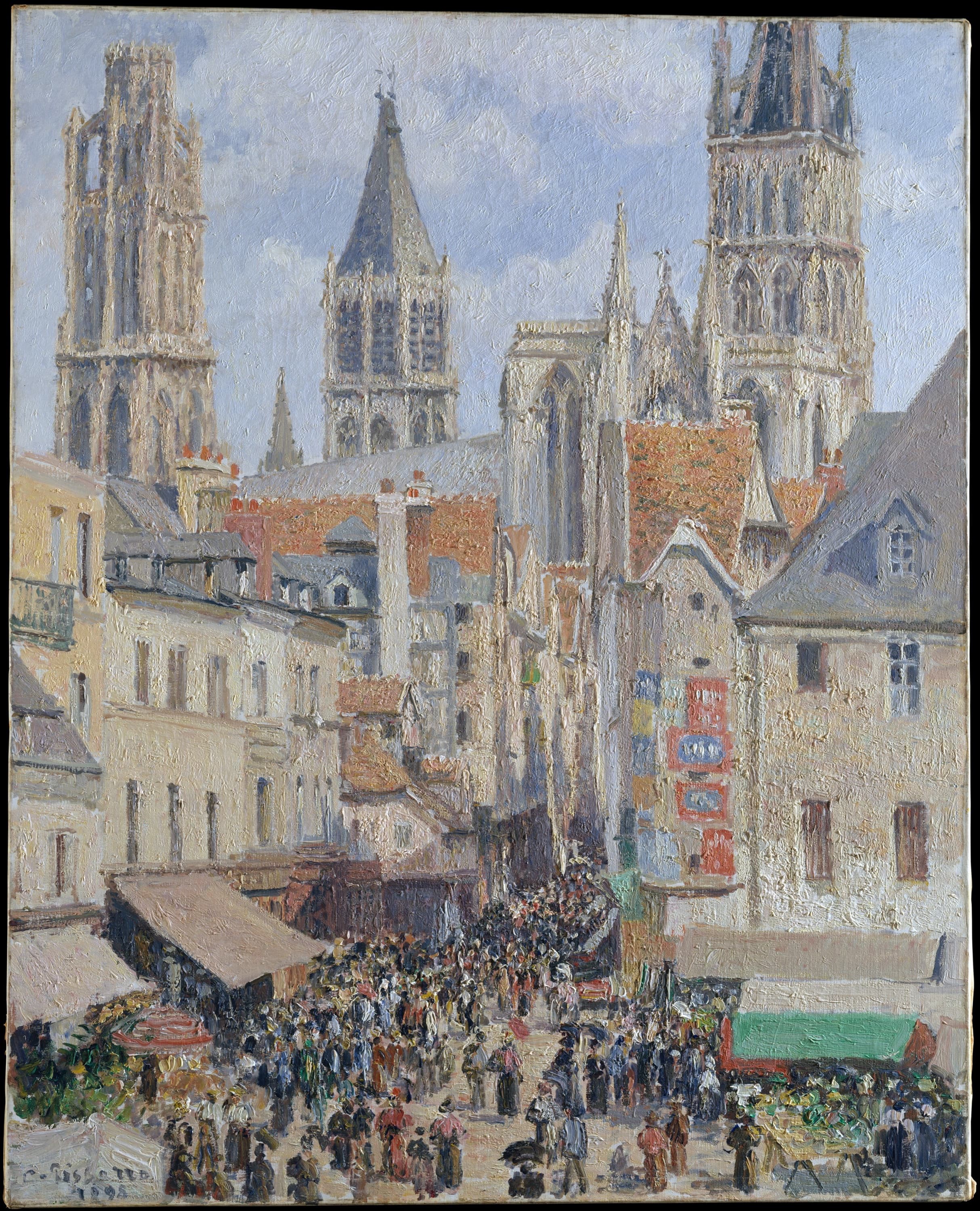
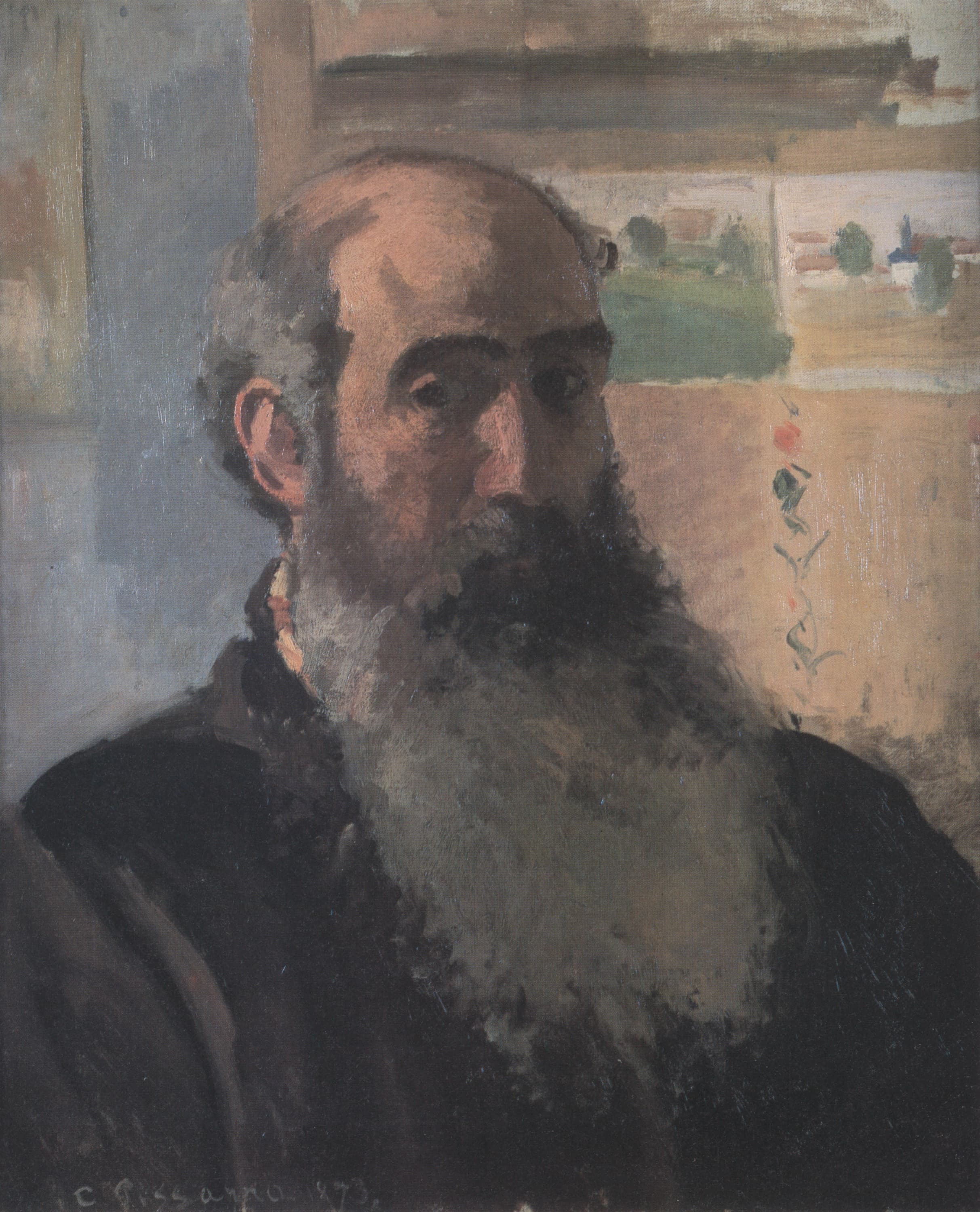
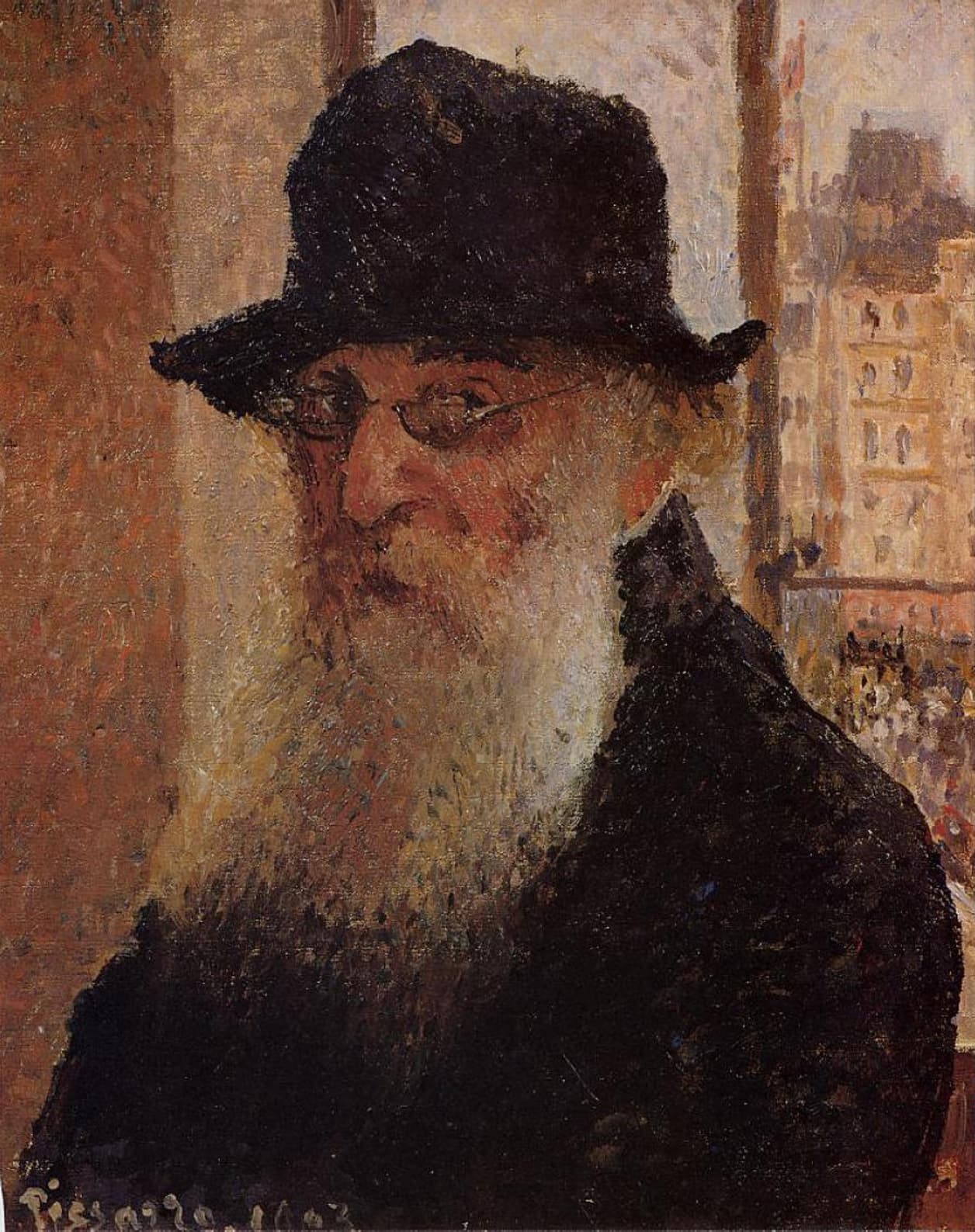
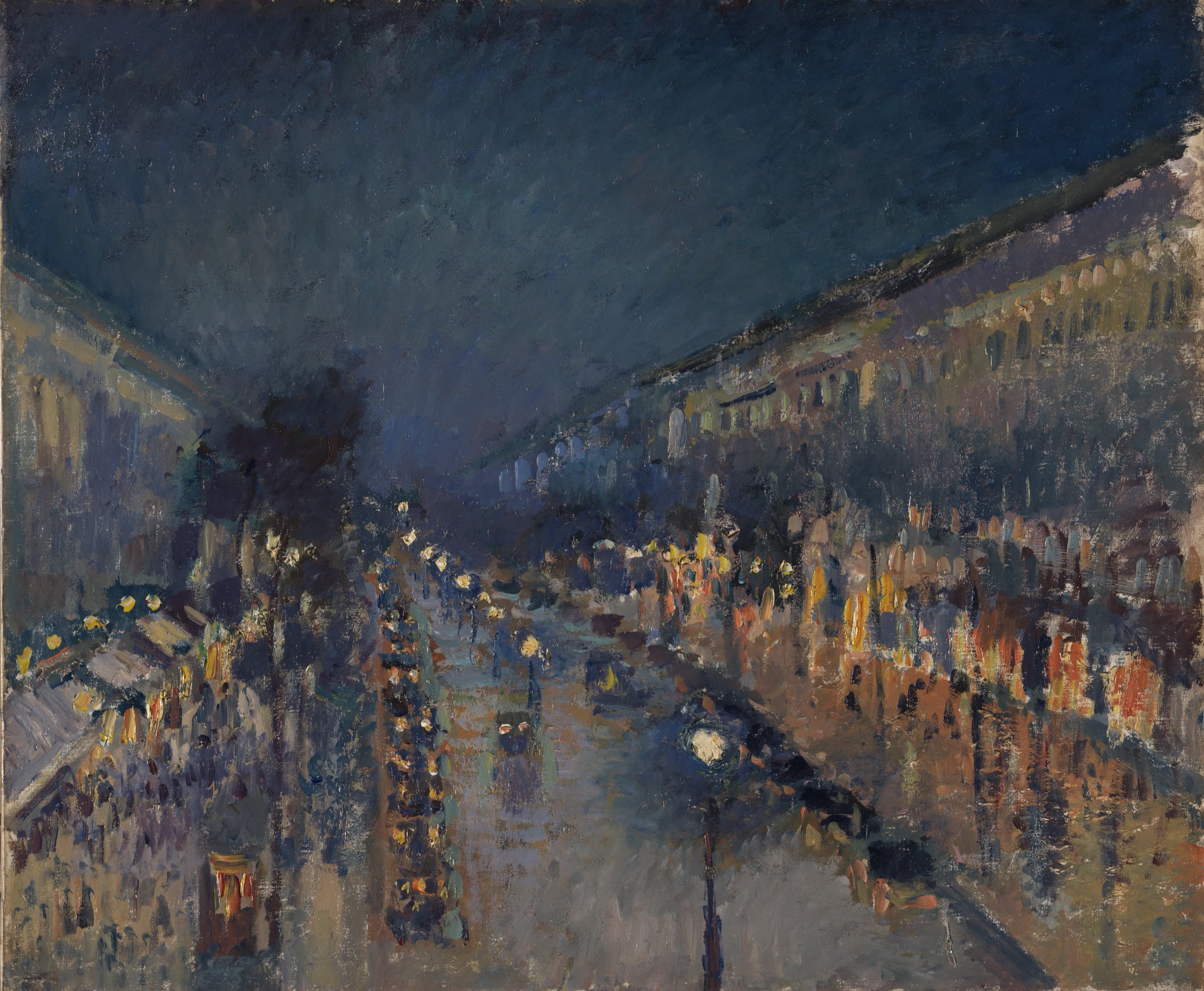
If you like Camille Pissarro
Explore painters from the same movements and circles.
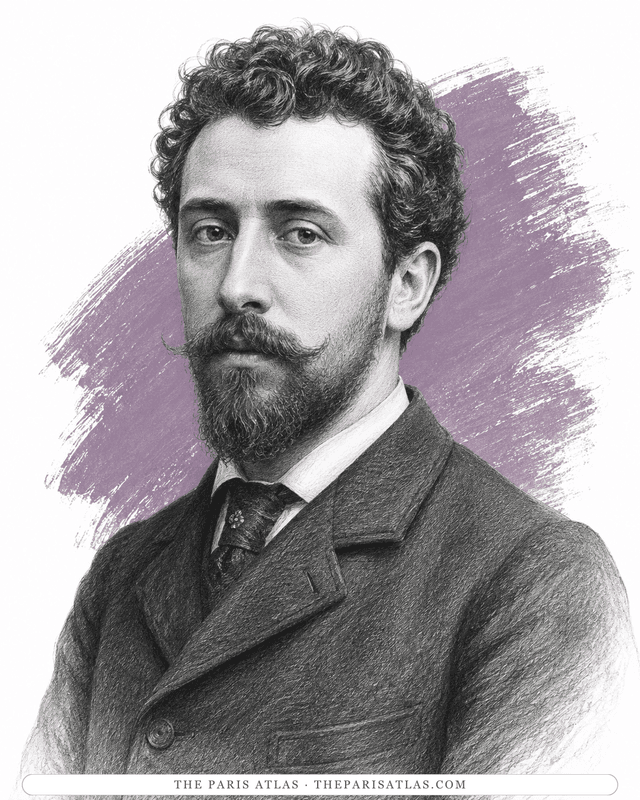
Georges Seurat
Parisian painter who built pictures from small dots of pure colour on optical principle, co-founded the Salon des Indépendants, and detonated the last Impressionist exhibition of 1886 with A Sunday on La Grande Jatte. He died at thirty-one.
View artist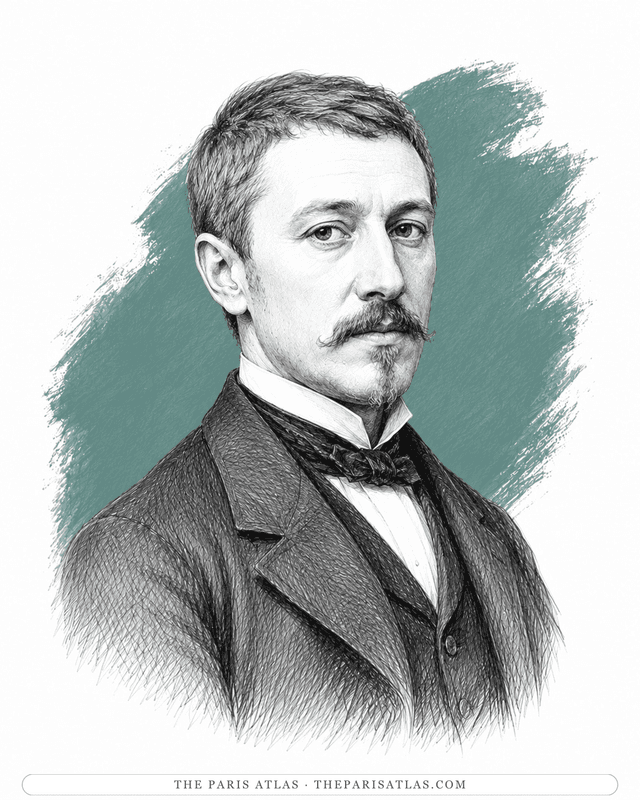
Gustave Caillebotte
Painter of Haussmann's geometry and the group's organizer-financier; his bequest of Impressionist paintings forced the French state to take the movement in.
View artist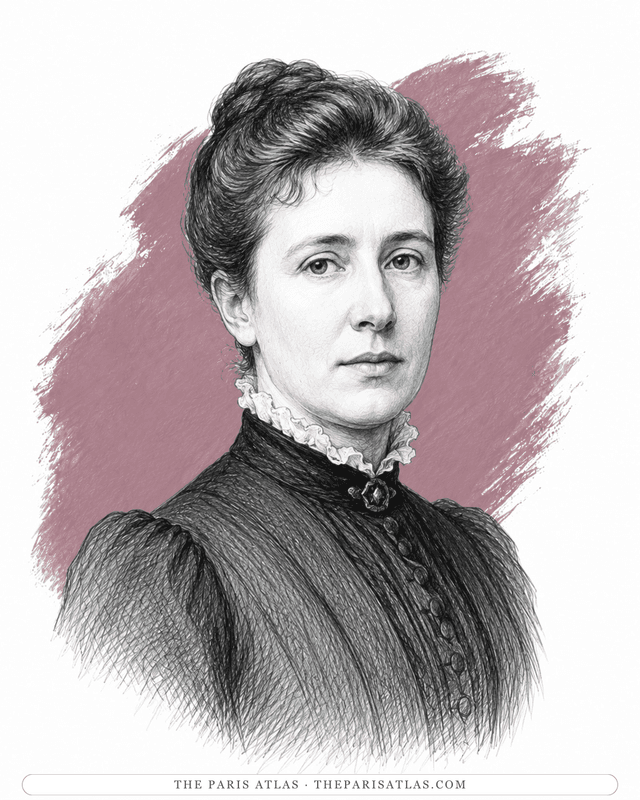
Mary Cassatt
Mary Cassatt was an American painter and printmaker known for her depictions of women and children. Based in France for the last fifty-two years of her life, she was the only American to exhibit with the original French Impressionist group, participating in four of its eight exhibitions. Edgar Degas invited her to exhibit with the group in 1877 after the Salon jury rejected her submissions.
View artist
References
The sources below include collection records, catalogues, scholarly research, and primary materials that informed this page. They document The Côte des Bœufs at L'Hermitage, its making, and its place in cultural history.


2↑Pioneering Modern Painting: Cézanne and Pissarro 1865–1885
WebsiteThe Museum of Modern ArtUsed forWeb source consulted for documented facts and historical context presented on the The Côte des Bœufs at L'Hermitage page.
3Pissarro: Father of Impressionism — exhibition press release
WebsiteAshmolean MuseumUsed forWeb source consulted for documented facts and historical context presented on the The Côte des Bœufs at L'Hermitage page.

4Chemin à L’Hermitage
Official recordMuseo Nacional de Bellas Artes, Argentina, 1874Used forMuseum scholarship on Pissarro’s L’Hermitage series and his working dialogue with Cézanne at Pontoise.
These references provide the documented foundation for this work's history and interpretation. Claim-level citations remain attached to the specific claims they support.
 Explore more resources