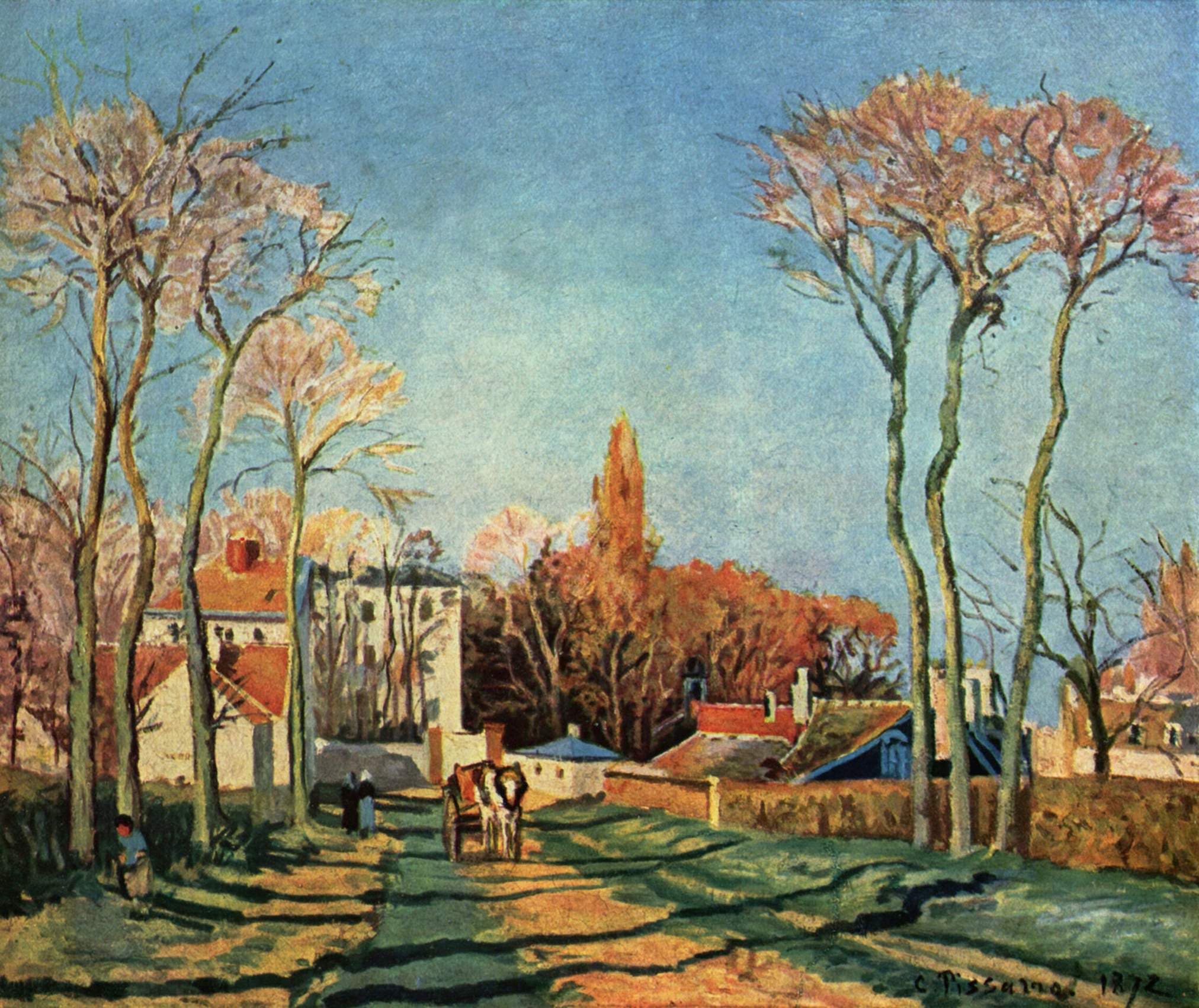
Entrance to the Village of Voisins
Camille Pissarro painted this road into Voisins, a hamlet of Louveciennes west of Paris, in 1872, the year after he came back from London. It is at the Musée d'Orsay, part of the Ernest May donation of 1923.
- 1872
- Oil on canvas
About Camille Pissarro
What the painting shows
A road runs away from the viewer into a village. Tall thin trees line both sides, bare except for a flush of colour on the upper branches, and they are what the picture is built on: five or six trunks rising the full height of the canvas, spaced like posts.
A cart drawn by a pale horse comes down the road toward the viewer. A woman in dark clothes walks at the left verge, and another figure crouches at the lower left corner. Beyond them are houses with red tile roofs and pale walls, a low garden wall along the right, and a tall rust-orange tree in the middle distance. The sky is a flat pale blue.
The light comes from the left and low, and the road is barred with long blue shadows. The canvas is signed and dated at the lower right: C. Pissarro 1872.
Where Voisins is
Voisins is a hamlet of Louveciennes, a village about half an hour west of Paris by train, and the road in the painting runs toward the Château de Voisins. The Musée d'Orsay's own record does not name the site; the identification comes from French sources on the picture rather than from the museum.
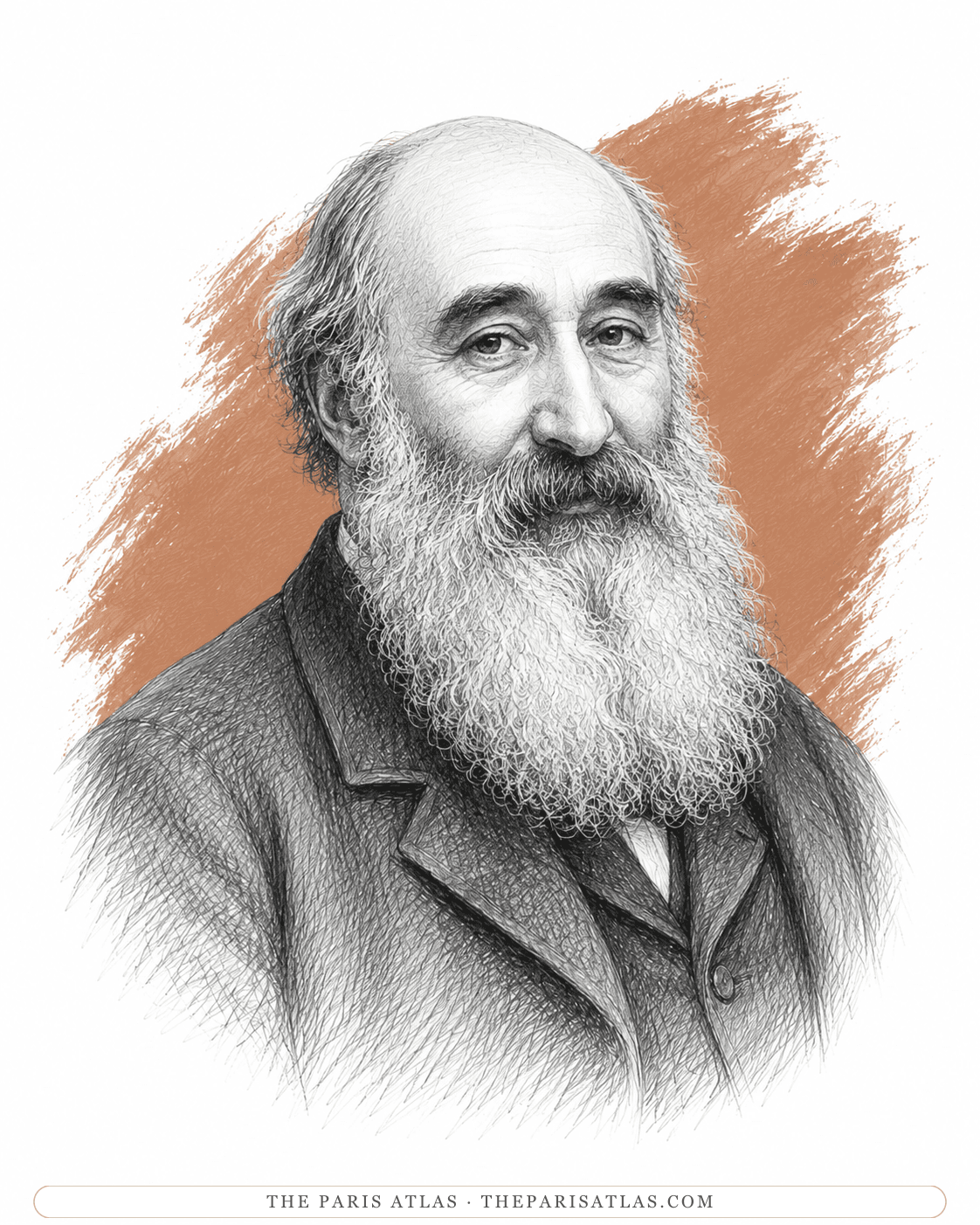
Pissarro was living at Louveciennes from June 1871 to April 1872, in the months between his return from England and the family's move to Pontoise. The village had been his subject before the war, and this is one of the last pictures he made there.
What he had come back to
The Pissarros had left Louveciennes in September 1870, when the Prussians invaded and commandeered the house, and spent the war in south London. When they came home in 1871 the house was destroyed and almost all of the work stored in it was gone. Kunstmuseum Basel's chronology of his life says about forty paintings survived, rescued by a neighbour, and gives no figure for what did not.
Most of what Pissarro had painted in France before 1870 no longer exists. The subjects he had been working on for a decade survive mainly in what he painted after he came back to them.
Durand-Ruel, Ernest May, and a frame built for three
The dealer Paul Durand-Ruel had the painting by 1874 and reproduced it that year as a print, in the thirteenth instalment of his Recueil d'estampes, as number 121. It then belonged to the collector Ernest May, who put it in his sale at the Galerie Georges Petit on 4 June 1890 as lot 57. It failed to sell and he kept it.
May gave it to the French state in 1923 under a donation with reserved usufruct, an arrangement that let him keep the picture for his lifetime, and it reached the Louvre in 1926. The Musée d'Orsay still records its frame as one panel of a triptych, 66.5 centimetres high and 215.5 centimetres wide across all three, so the painting was hung as part of a set of three.
It went to the Jeu de Paume in 1947 and was assigned to the Musée d'Orsay when that museum opened in 1986.
Where it has been shown, and what to call it
The picture had a public life early. It hung at the Exposition Universelle in Paris in 1889 as number 542, at the retrospective survey of French art at the Exposition Universelle of 1900 as number 516, and in the Pissarro memorial exhibition at Durand-Ruel in 1904. It was in the Louvre's Chefs-d'œuvre de la peinture in 1945, at the Israel Museum in 1994 and 1995, and in Inventing Impressionism at the National Gallery in London in 2015 as number 69.
The Musée d'Orsay records no showing at the Salon and none at any of the eight Impressionist exhibitions. The museum catalogues the painting in French only, even on its English pages. Entrance to the Village of Voisins is the usual English rendering, not the museum's own wording.
Close reading
Reading the work, detail by detail
Pissarro builds this village approach from vertical trees and a road that slips between them. In detail, the scene balances the order of an avenue with the irregular signs of weather, use, and rural life.
1.The trees form a permeable screen
The trunks rise through almost the full height of the canvas like uneven posts. They organize the view without sealing it; road, roofs, and sky remain visible through the intervals.
2.The road pulls the viewer into the village
Broad and immediate at the lower edge, the road contracts quickly between the tree rows. Its bends and changing color make the recession feel walked rather than diagrammed.
3.Small roofs hold the destination
The buildings occupy little space, yet their pale walls and angled roofs stop the eye from passing straight through the landscape. Human settlement appears as the quiet end of the road, not its dominant subject.
4.A small figure gives the road a lived pace
The walker does not dominate the landscape, but supplies a human measure for the road and trees. The village is presented as a place reached through ordinary movement rather than a distant scenic object.
5.Fine branches keep the village partly withheld
Branches overlap roofs and sky instead of framing them neatly. The obstruction makes the view feel encountered from a specific roadside position rather than arranged for immediate clarity.
6.Uneven edges keep the road from becoming a formal axis
The road guides the eye, but its borders dissolve into grass and shadow. Pissarro balances clear direction with the irregular surface of an actual village approach.
Timeline
1870
The Prussians commandeer the family's house at Louveciennes in September; the Pissarros leave for London in December.
1871
Back at Louveciennes from June, in a house that has been destroyed, with about forty early paintings left.
1872
Painted at Voisins and signed at the lower right, C. Pissarro 1872, before the family moves on to Pontoise.
1874
Owned by Paul Durand-Ruel and reproduced as a print in his Recueil d'estampes, thirteenth instalment, number 121.
1889
Shown at the Exposition Universelle, Champ-de-Mars, Paris, as number 542.
1890
Offered in Ernest May's sale at the Galerie Georges Petit on 4 June as lot 57; bought in, and kept by May.
1900
Shown in the retrospective survey of French art at the Exposition Universelle, as number 516.
1923
Given to the French state by Ernest May under a donation with reserved usufruct.
1926
Enters the Louvre.
1947
Moves to the galerie du Jeu de Paume, where it hangs until 1986.
1986
Assigned to the Musée d'Orsay. Accession number RF 2436.
Where to see it
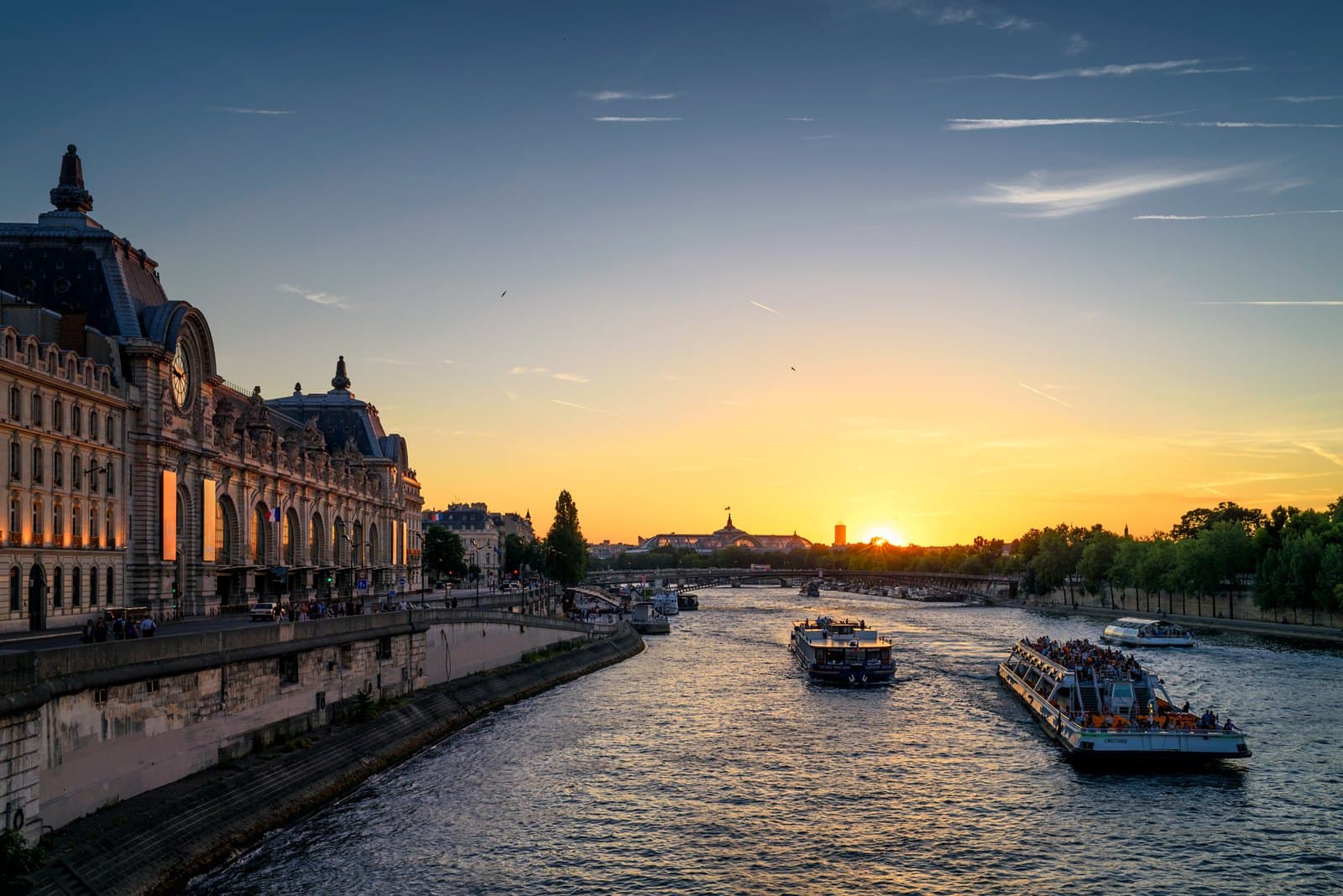
Musée d'Orsay, Paris
Esplanade Valéry Giscard d’Estaing, 75007 Paris, France
Displays and loans can change. Check whether this work is on view before making a special trip.
Plan your visitFrequently asked questions
What does Entrance to the Village of Voisins show?
A village road seen straight down its length, lined with tall bare trees, with a horse and cart coming toward the viewer and long blue shadows lying across the sunlit surface. Camille Pissarro painted it in 1872 at Voisins, a hamlet of Louveciennes about half an hour west of Paris.
Where can I see it?
It belongs to the Musée d'Orsay in Paris, accession number RF 2436, and at the last check of the museum's record it was not on display. It came in through the 1923 donation of the collector Ernest May.
What is the painting called in French?
Entrée du village de Voisins. The Musée d'Orsay catalogues it in French only, even on its English pages, so the English title used here and elsewhere is a convention rather than the museum's own.
Is this an Impressionist painting?
It was painted in 1872, two years before the first Impressionist exhibition, and the Musée d'Orsay records no showing at any of the eight. Pissarro was by then working in the manner the group became known for, outdoors and in daylight, and he would help organise that first exhibition in 1874.
What happened to Pissarro's paintings during the Franco-Prussian War?
Most of the early ones were lost. The Prussians commandeered his house at Louveciennes in September 1870 while the family was away, and when they returned in 1871 the house was destroyed. Kunstmuseum Basel's chronology records that only about forty paintings survived, rescued by a neighbour, and does not give a figure for the number destroyed.
How big is it?
46 by 55.5 centimetres, a small canvas. The Musée d'Orsay also records its frame, which is one panel of a three-part frame from the Ernest May donation measuring 66.5 by 215.5 centimetres in total.
More by Camille Pissarro
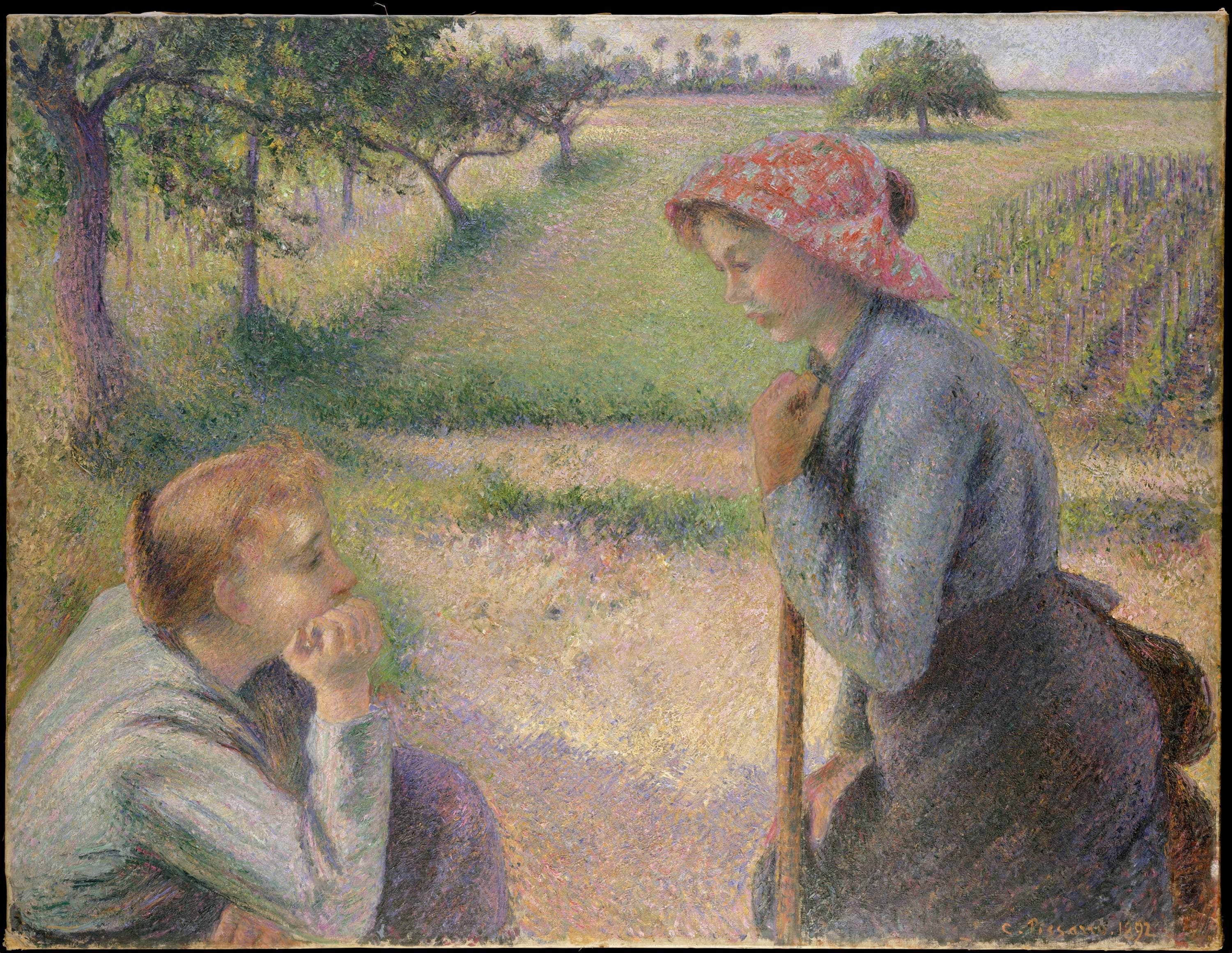
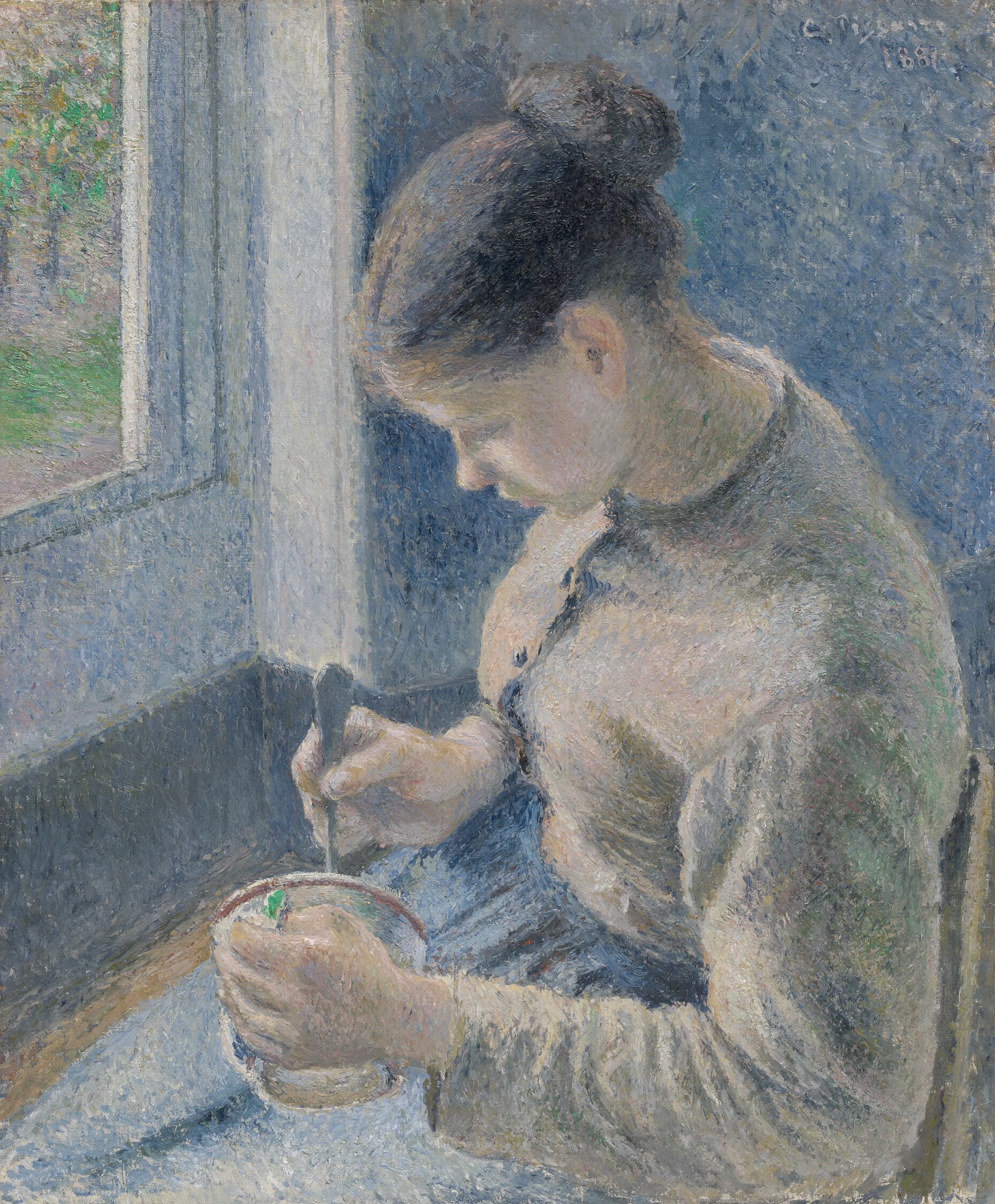
If you like Camille Pissarro
Explore painters from the same movements and circles.
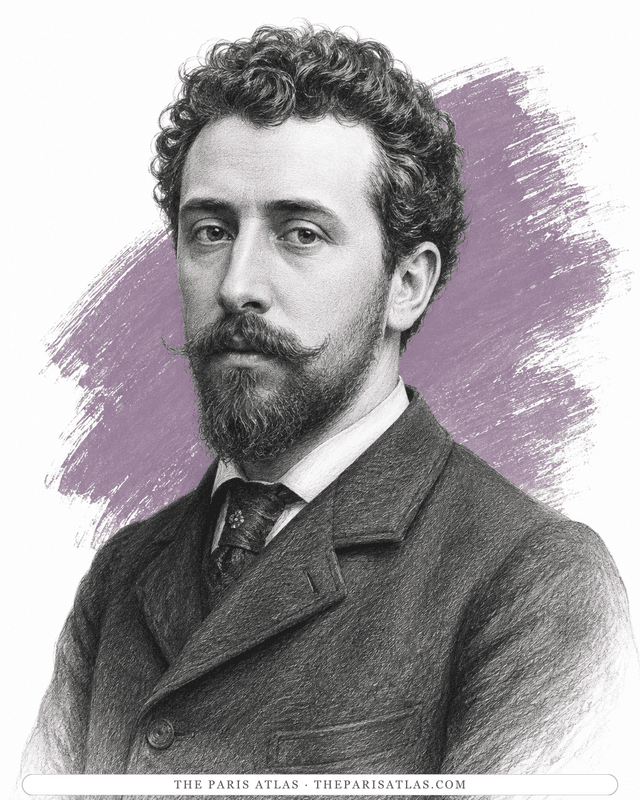
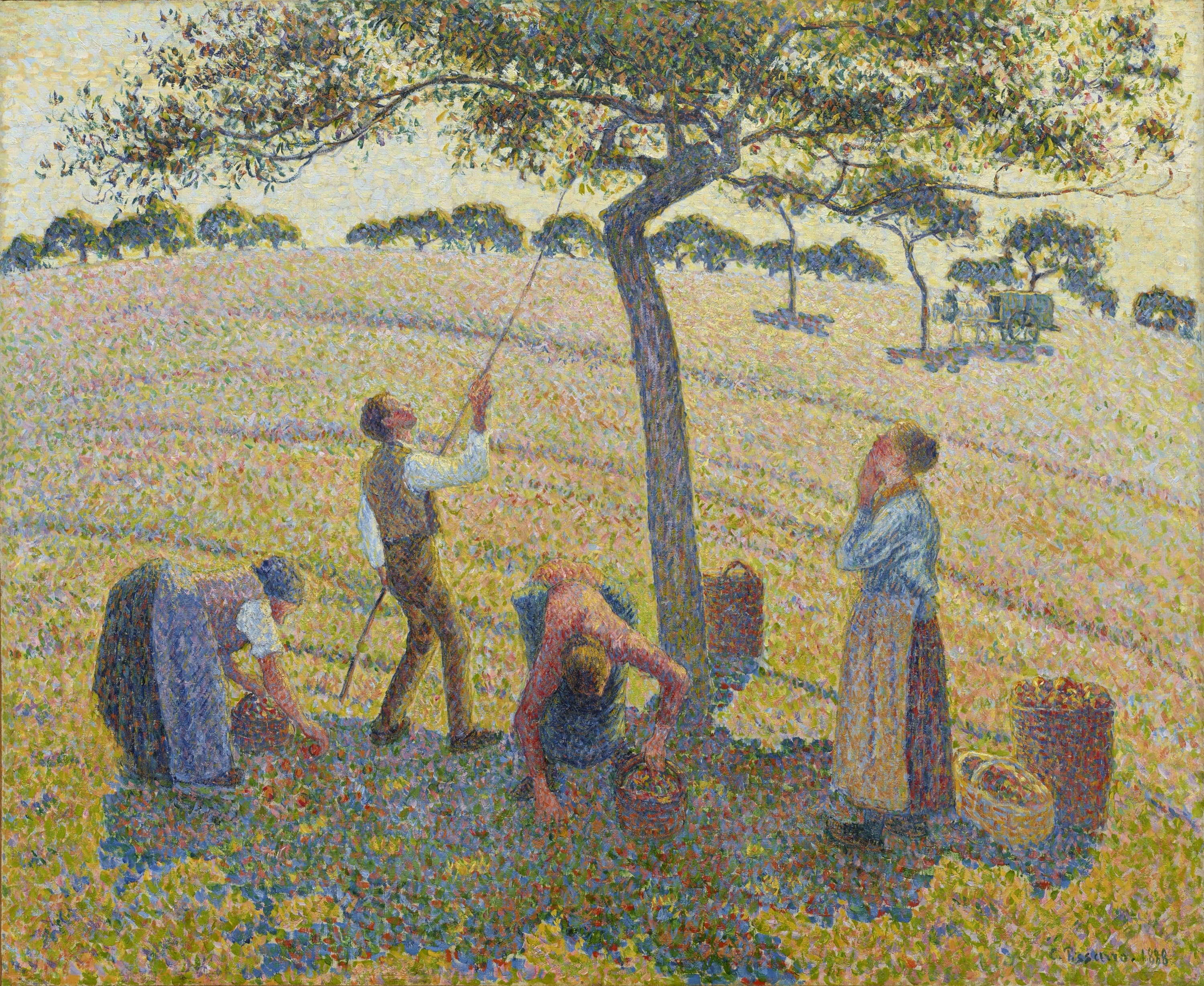
Georges Seurat
Parisian painter who built pictures from small dots of pure colour on optical principle, co-founded the Salon des Indépendants, and detonated the last Impressionist exhibition of 1886 with A Sunday on La Grande Jatte. He died at thirty-one.
View artist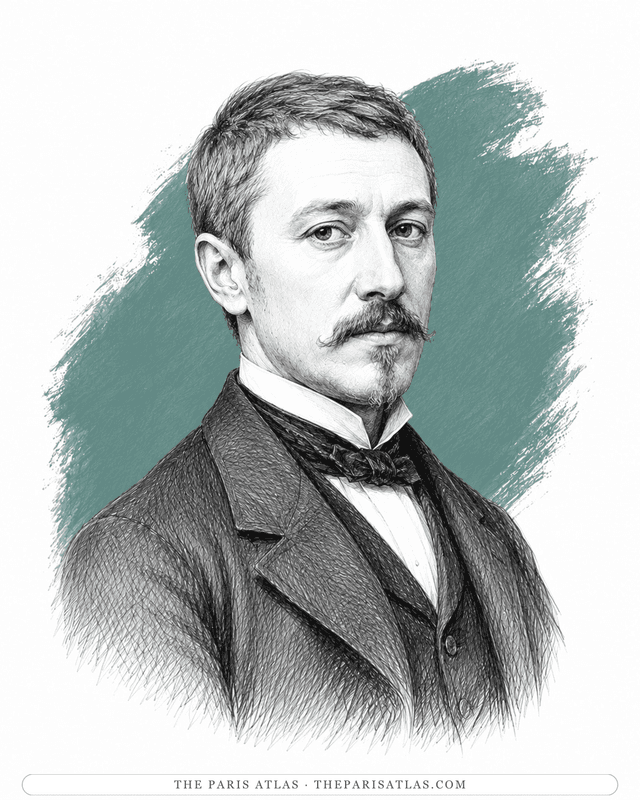
Gustave Caillebotte
Painter of Haussmann's geometry and the group's organizer-financier; his bequest of Impressionist paintings forced the French state to take the movement in.
View artist
Mary Cassatt
Mary Cassatt was an American painter and printmaker known for her depictions of women and children. Based in France for the last fifty-two years of her life, she was the only American to exhibit with the original French Impressionist group, participating in four of its eight exhibitions. Edgar Degas invited her to exhibit with the group in 1877 after the Salon jury rejected her submissions.
View artist
References
The sources below include collection records, catalogues, scholarly research, and primary materials that informed this page. They document Entrance to the Village of Voisins, its making, and its place in cultural history.


1musee-orsay.fr
WebsiteUsed forWeb source consulted for documented facts and historical context presented on the Entrance to the Village of Voisins page.
2Camille Pissarro: Biography and Chronology
WebsiteKunstmuseum BaselUsed forWeb source consulted for documented facts and historical context presented on the Entrance to the Village of Voisins page.
3Camille Pissarro — artist record
WebsiteMusée d'OrsayUsed forThe Musée d'Orsay artist record situates the Louveciennes period within Pissarro's documented career.
4Pissarro: Father of Impressionism — exhibition press release
WebsiteAshmolean MuseumUsed forThe Ashmolean's museum scholarship provides independent context for Pissarro's formative role in Impressionism.

5Entrée du village de Voisins, 1872
Official recordMusée d'OrsayUsed forOfficial record used to verify names, dates, institutional details, or other factual information on this page.
These references provide the documented foundation for this work's history and interpretation. Claim-level citations remain attached to the specific claims they support.
 Explore more resources