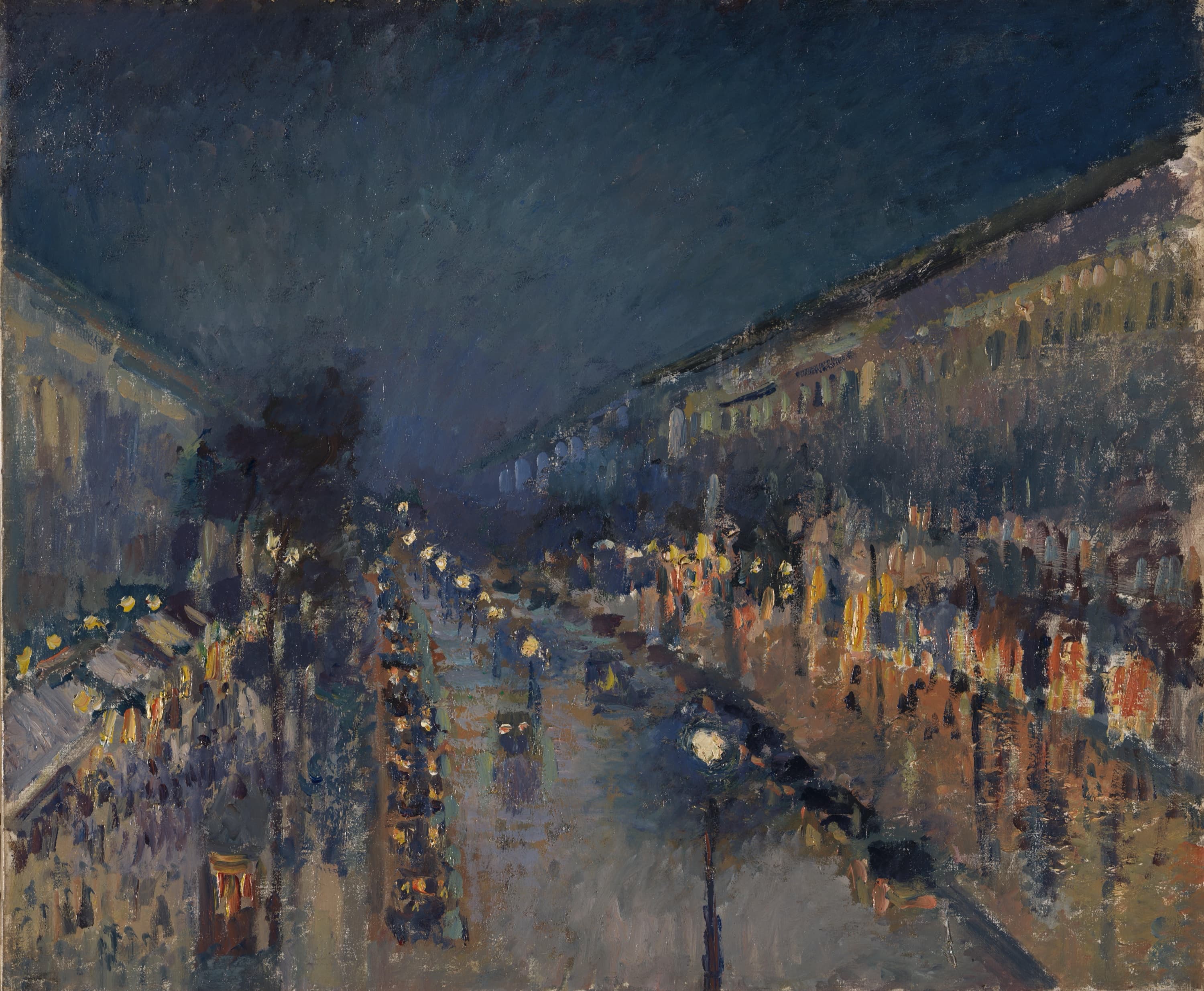
The Boulevard Montmartre at Night
Camille Pissarro painted the boulevard Montmartre after dark from the same hotel window he used for the rest of the 1897 series. The National Gallery in London, which owns it, says it is the only night painting he made.
- 1897
- Oil on canvas
About Camille Pissarro
What the painting shows
The viewer is high above the street, looking down the boulevard as it runs away towards the upper right. The top third of the canvas is sky, painted a heavy blue-black with no stars in it, and the rooflines cut across it as two long diagonals meeting near the middle.
The left-hand side of the street is nearly dark. A mass of trees stands black against the buildings, a few upper windows are lit, and a line of pale lamps recedes along the pavement below. The right-hand side is the bright side: a long run of shop windows burning orange and yellow, their light dragged straight down into the wet road as vertical smears. A tall street lamp stands in the lower right with a white-blue globe on it, close enough to the viewer to read as an object rather than a mark.
In the road are cabs and small figures, none of them drawn in any detail. At this scale a person is a dab of dark paint and a cab lamp is a single point of light. The National Gallery notes that the perspective recedes towards the Porte Saint-Denis, the stone arch further along the line of the boulevards.
Two kinds of light
The picture is built on a difference the National Gallery describes precisely: the cool white of the newly installed electric street lamps against the warm yellow gaslight of the shop windows. A third kind of light is in there too, the oil-burning lamps on the cabs.
That is why the canvas splits down the middle into a blue side and an orange side. Camille Pissarro was painting a street in the middle of changing over from one technology of light to another, and he painted the difference in temperature rather than the fixtures.
The room on the rue Drouot
In February 1897 Pissarro, then in his late sixties, took a room in the Grand Hôtel de Russie on the rue Drouot in Paris. He was working from rented rooms by then because a recurring eye complaint made long spells outdoors, in wind and dust, painful.
From that one window he painted fourteen views of the boulevard Montmartre. The others show the street by day, through morning and afternoon, sun and rain and fog. This is the exception.
The National Gallery adds that he did not finish it in one sitting. Areas of the canvas were repainted, which for a picture of a moving street after dark is worth knowing: what looks like a single glance held for as long as the light lasted was worked over on later evenings.
The only night painting
The National Gallery states it without qualification: "The picture is the only example of a night painting by Pissarro." That is the holding museum's claim about a career of some fifty years, and it is worth carrying as the museum's claim rather than as a closed fact.
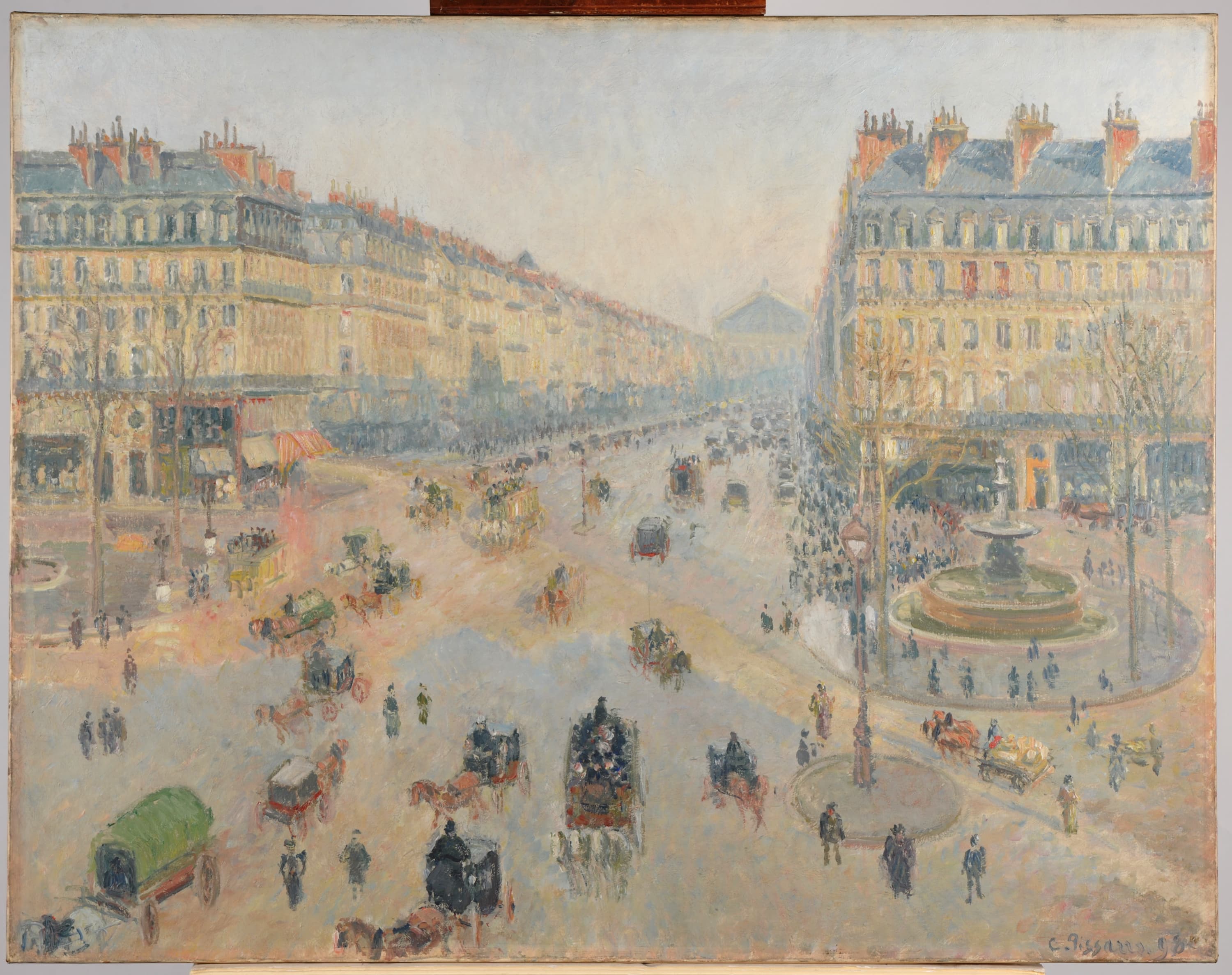
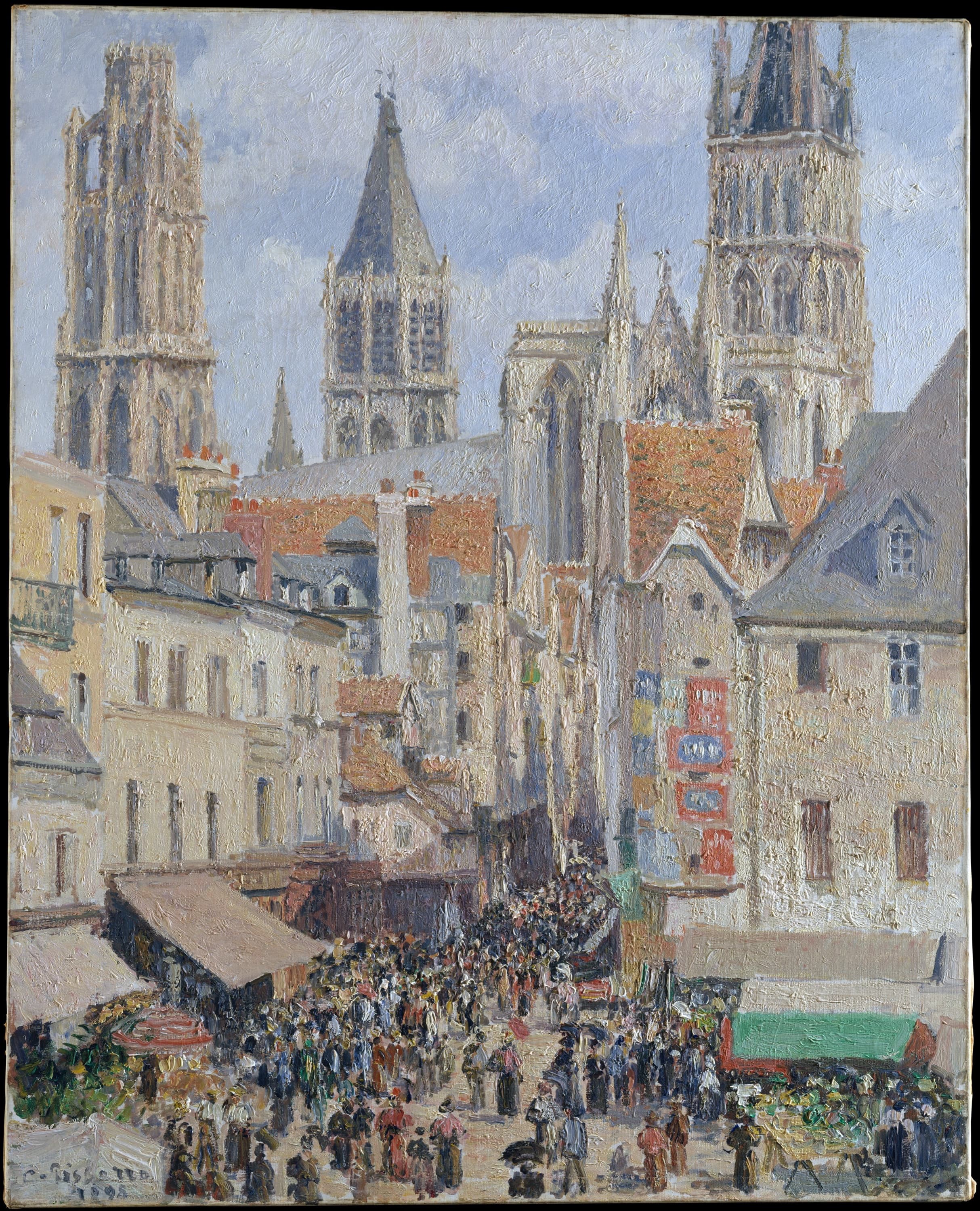
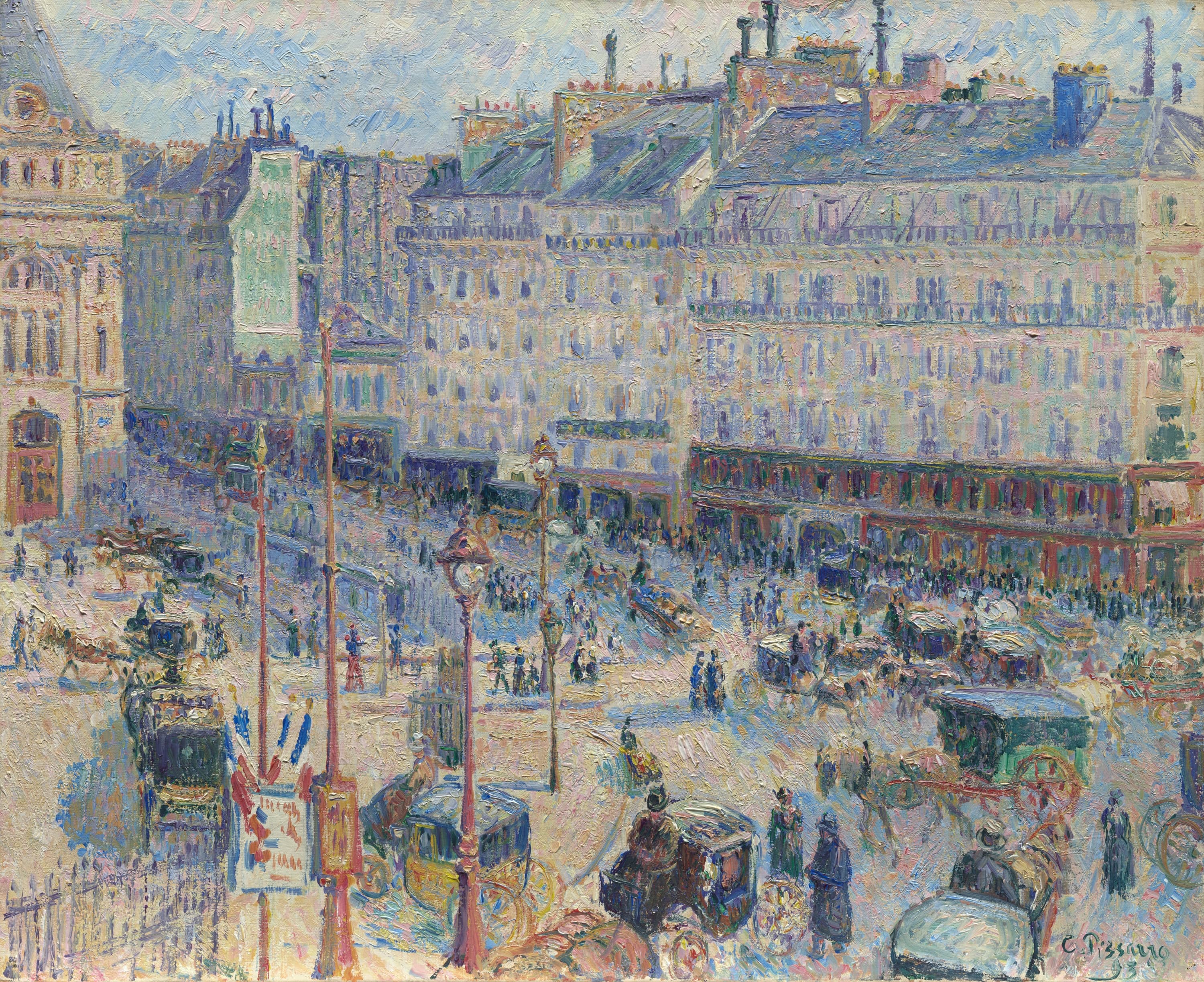
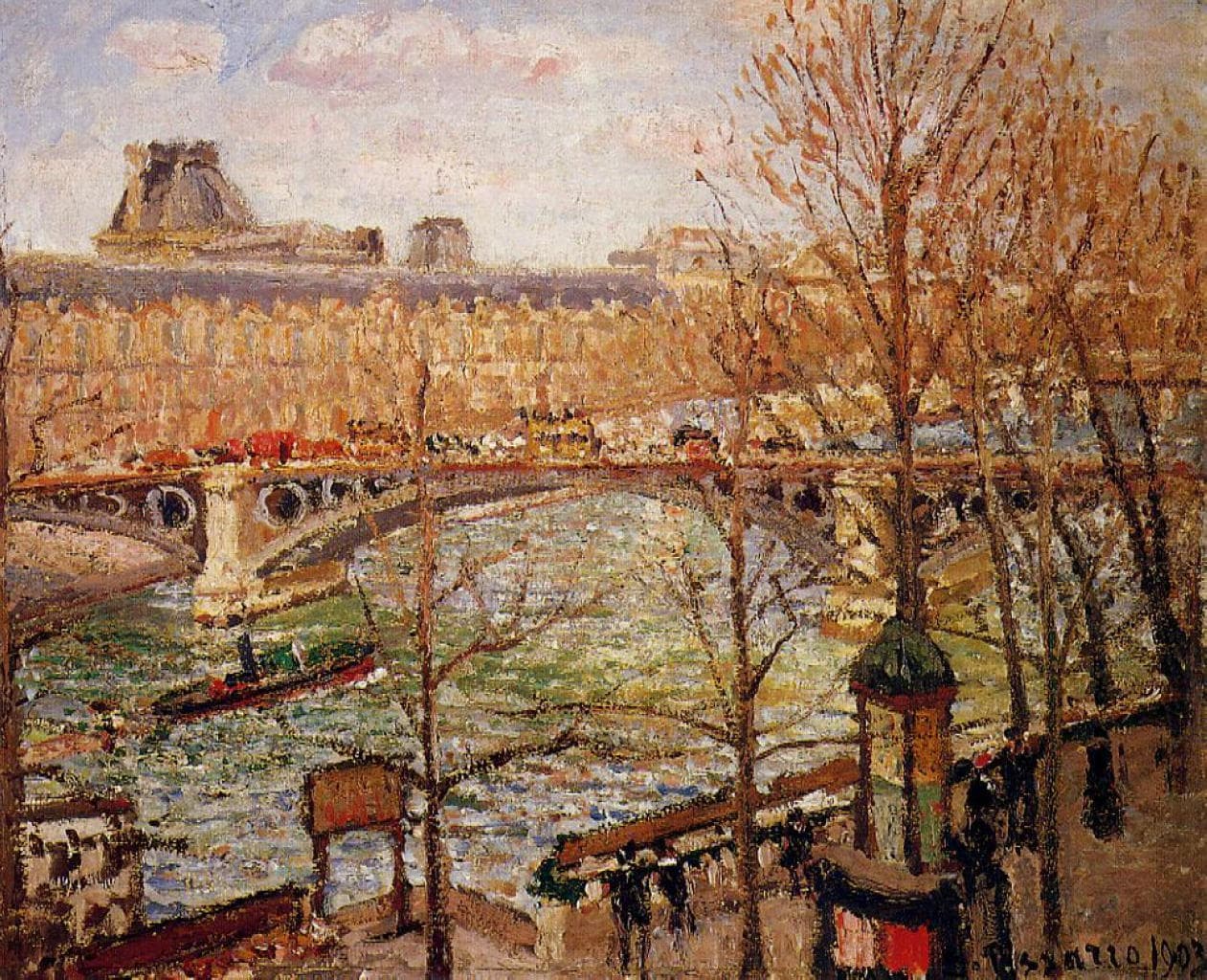
What is clear either way is that it is the exception in this series and in the city pictures that follow. The place du Havre in 1893, the avenue de l'Opéra in 1898 and the quai Voltaire in 1903 are all daylight campaigns. Camille Pissarro painted the modern city as a thing seen in ordinary light, and once, from this window, after dark.
How London got it
The painting stayed in the family. It belonged to Lucien Pissarro, the painter's eldest son, himself a painter, who had settled in England in 1890.
In October 1925 it appeared in the 123rd exhibition of the French Gallery in London as number 2. The trustees of the Courtauld Fund bought it there and presented it to the national collection the same year. It went to the Tate Gallery, which showed it in a Pissarro retrospective in 1931 and in the Samuel Courtauld Memorial Exhibition in 1948, and it was transferred to the National Gallery in 1950.
It has travelled a good deal since. Museum Folkwang in Essen borrowed it in 2010, the Von der Heydt Museum in Wuppertal in 2014, the Alte Nationalgalerie in Berlin in 2015, and the Kunstmuseum Basel for Camille Pissarro. The Studio of Modernism in 2021. In 2018 it hung in the National Gallery's own exhibition Courtauld Impressionists.
Close reading
Reading the work, detail by detail
Night reduces the boulevard's famous architecture and crowds to reflections, lamps, and moving dark masses. The details reveal how Pissarro makes a modern city legible when ordinary daylight description is no longer available.
1.Lamps puncture the boulevard's darkness
Small points of yellow and white recur into the distance. They map the street more effectively than drawn outlines and turn new urban lighting into the picture's organizing rhythm.
2.The wet road carries light downward
Vertical smears stretch the lamps across the road surface. Solid pavement becomes unstable and luminous, allowing weather to double the city's artificial light.
3.Crowds survive as compressed motion
Vehicles and people merge into dark, broken clusters rather than distinct silhouettes. The loss of individual detail makes the boulevard feel more crowded, not less: movement becomes a continuous pressure.
4.Shop windows form a second row of lights at street level
Warm rectangles beneath the façades identify businesses and interiors without revealing their contents. They make the boulevard feel inhabited beyond the moving lamps and carriages.
5.Dark upper windows keep the night from becoming pure spectacle
Most windows remain muted above the bright street. The contrast separates private darkness from public illumination and stops the scene from becoming an evenly glowing festival.
6.Carriages are recognized through fragments of reflected light
Bodies, wheels, and horses dissolve into short dark and bright marks. The viewer reconstructs moving traffic from incomplete evidence, which matches the difficulty of seeing quickly at night.
Timeline
February 1897
Pissarro, in his late sixties, takes a room in the Grand Hôtel de Russie on the rue Drouot, Paris.
1897
Paints fourteen views of the boulevard Montmartre from that window. This is the one made after dark, and it was not finished in a single sitting.
by 1925
In the collection of the artist's eldest son, Lucien Pissarro.
October 1925
Shown as number 2 in the 123rd exhibition of the French Gallery, London, where the trustees of the Courtauld Fund buy it and present it the same year.
1931
Shown at the Tate Gallery in a Pissarro retrospective.
1948
Shown at the Tate Gallery in the Samuel Courtauld Memorial Exhibition.
1950
Transferred to the National Gallery, London. Inventory NG4119.
2018
Included in Courtauld Impressionists at the National Gallery, London.
2021
Lent to Camille Pissarro. The Studio of Modernism at the Kunstmuseum Basel.
Where to see it
The National Gallery, London
Trafalgar Square, London WC2N 5DN, United Kingdom
Displays and loans can change. Check whether this work is on view before making a special trip.
Plan your visit on the museum’s official website (opens in a new tab)Frequently asked questions
Is The Boulevard Montmartre at Night the only night painting Pissarro made?
The National Gallery in London says so, in those words: "The picture is the only example of a night painting by Pissarro." It is the holding museum's statement about a career of roughly fifty years, so it is best taken as the museum's claim rather than as a settled fact. Nothing else in Camille Pissarro's boulevard Montmartre series of 1897, or in his later Paris campaigns, is a night scene.
Where is The Boulevard Montmartre at Night?
The National Gallery in London, inventory number NG4119. The trustees of the Courtauld Fund bought it in October 1925 and presented it that year; it went first to the Tate Gallery and was transferred to the National Gallery in 1950.
What are the lights in the painting?
Three sorts, and the picture is built on the difference between them. The National Gallery identifies the cool white lamps along the street as newly installed electric lighting, the warm yellow glow on the right as gaslight in the shop windows, and the small points among the traffic as oil-burning lamps on the cabs.
Where was Pissarro standing when he painted it?
In a room at the Grand Hôtel de Russie on the rue Drouot in Paris, which Camille Pissarro took in February 1897. The whole series of fourteen boulevard Montmartre views was painted from that window, several floors above the street.
How big is The Boulevard Montmartre at Night?
53.3 by 64.8 centimetres, as the National Gallery gives it. That is a small canvas for a picture of a whole city street, and smaller than the daylight views from the same window.
Did Pissarro really paint it at night, in one go?
Not in one go. The National Gallery records that he did not finish the painting in a single sitting and that areas of it were repainted. The scene is a night scene, but the canvas was worked over more than one evening.
Is it the same street as The Boulevard Montmartre on a Winter Morning?
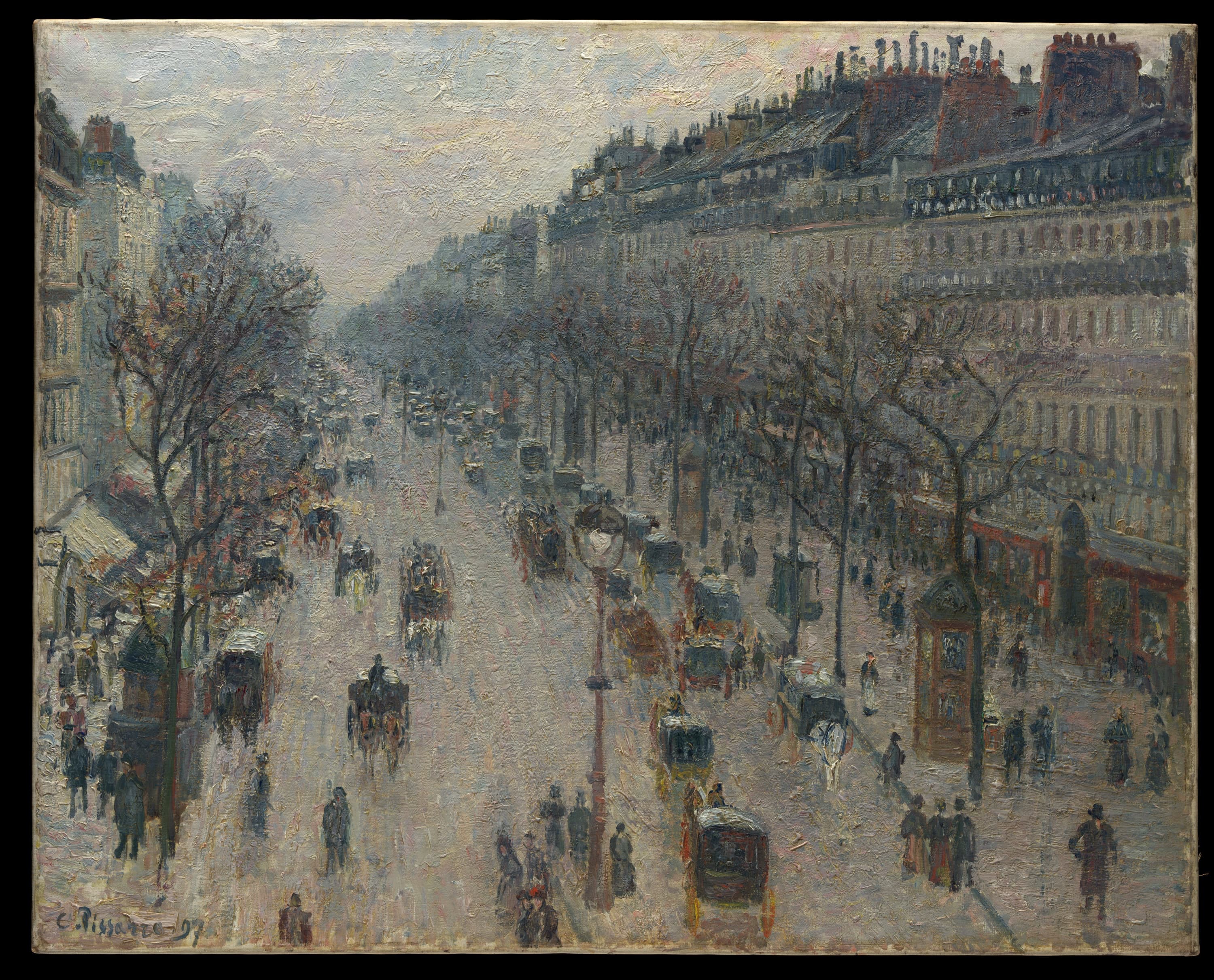
Yes. Both were painted in 1897 from the same window at the Grand Hôtel de Russie, looking down the same stretch of the boulevard Montmartre towards the Porte Saint-Denis. The winter morning version is in the Metropolitan Museum of Art in New York.
More by Camille Pissarro
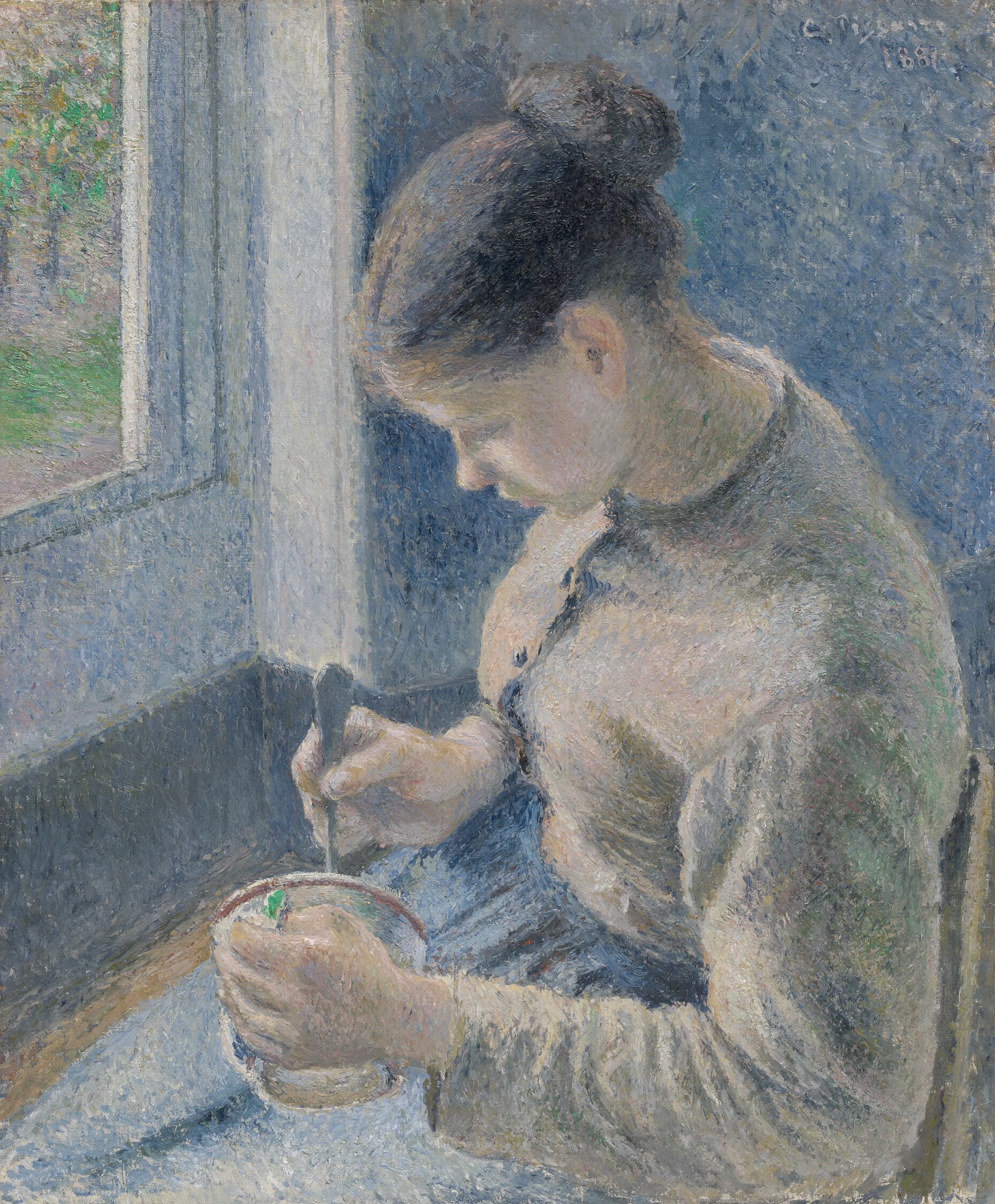
If you like Camille Pissarro
Explore painters from the same movements and circles.
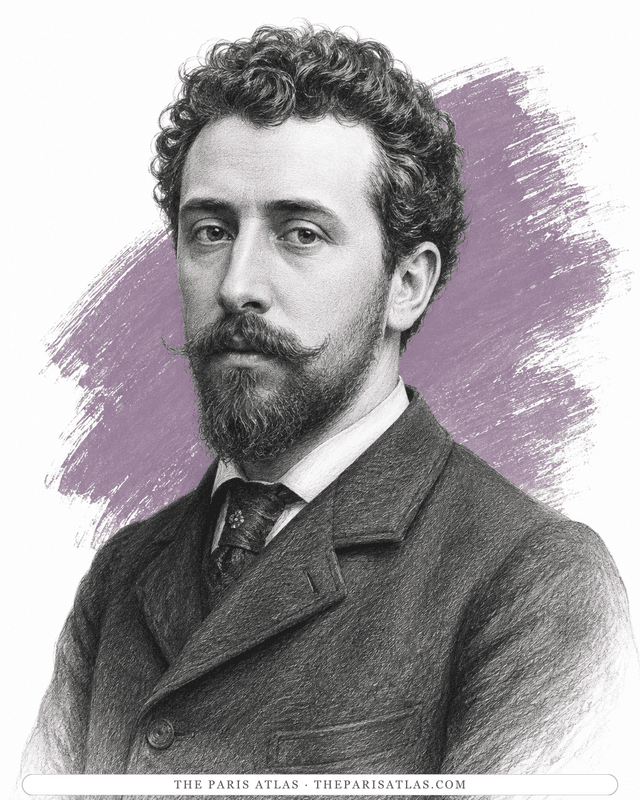
Georges Seurat
Parisian painter who built pictures from small dots of pure colour on optical principle, co-founded the Salon des Indépendants, and detonated the last Impressionist exhibition of 1886 with A Sunday on La Grande Jatte. He died at thirty-one.
View artist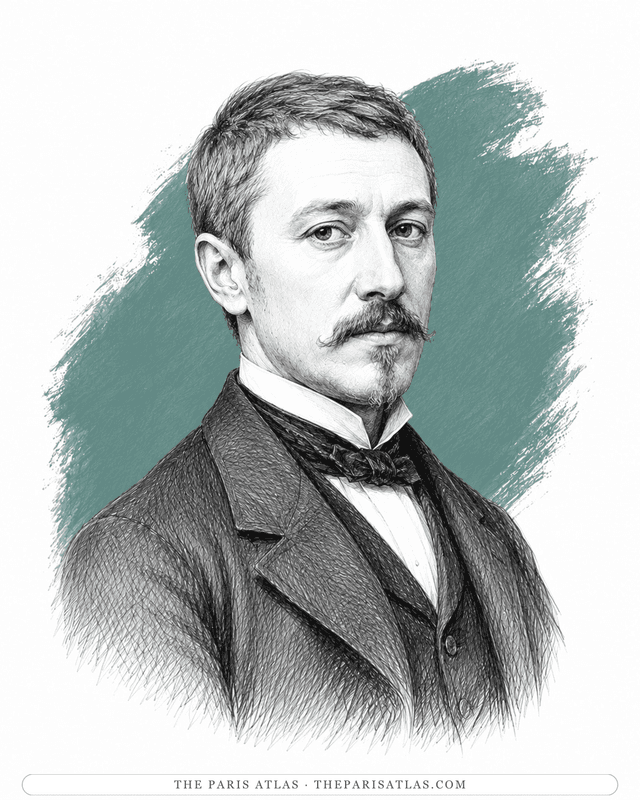
Gustave Caillebotte
Painter of Haussmann's geometry and the group's organizer-financier; his bequest of Impressionist paintings forced the French state to take the movement in.
View artist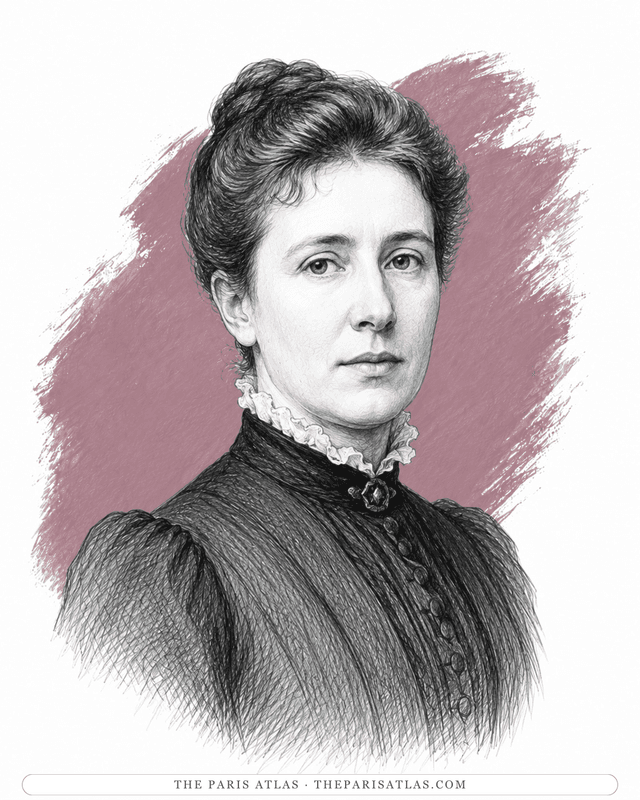
Mary Cassatt
Mary Cassatt was an American painter and printmaker known for her depictions of women and children. Based in France for the last fifty-two years of her life, she was the only American to exhibit with the original French Impressionist group, participating in four of its eight exhibitions. Edgar Degas invited her to exhibit with the group in 1877 after the Salon jury rejected her submissions.
View artist
References
The sources below include collection records, catalogues, scholarly research, and primary materials that informed this page. They document The Boulevard Montmartre at Night, its making, and its place in cultural history.

1Camille Pissarro, The Boulevard Montmartre at Night
WebsiteThe National Gallery, LondonUsed forWeb source consulted for documented facts and historical context presented on the The Boulevard Montmartre at Night page.
2The Boulevard Montmartre at Night — Picture of the Month
WebsiteThe National Gallery, LondonUsed forWeb source consulted for documented facts and historical context presented on the The Boulevard Montmartre at Night page.
3The Metropolitan Museum of Art — collection records
WebsiteUsed forWeb source consulted for documented facts and historical context presented on the The Boulevard Montmartre at Night page.
4Philadelphia Museum of Art — collection
WebsiteUsed forWeb source consulted for documented facts and historical context presented on the The Boulevard Montmartre at Night page.
These references provide the documented foundation for this work's history and interpretation. Claim-level citations remain attached to the specific claims they support.
 Explore more resources